Here's the thing nobody tells you about hormonal birth control
Your body did not just stop being fertile. It changed how pleasure works. Hormonal contraceptives don't just prevent pregnancy. They reshape sensation, arousal speed, and orgasm intensity in ways that feel almost invisible until one day you realize you're not actually enjoying sex the way you used to.
I work with couples constantly who describe this exact shift. One partner stays on the pill for five, eight, ten years and wakes up wondering if they've lost something permanent. They haven't. But they do need different tools and strategies to reconnect with what changed.
What hormonal birth control actually does to sensation
Let's start with the mechanism. Hormonal contraceptives (pills, patches, rings, implants) suppress the hormones that drive desire and response. Estrogen and testosterone levels flatten into a steady state instead of cycling. This is intentional and necessary for contraception to work. But the side effect is real.
Lower testosterone means a slower build to arousal. Many people notice it takes longer to get turned on, and the intensity when they do feels like it's running through water. Estrogen changes affect blood flow and nerve sensitivity in genital tissue. Some people experience decreased lubrication. Others report that direct clitoral touch feels less pleasurable, even muted.
Then there's the psychological layer. When your body isn't responding the way it used to, you second-guess yourself. You wonder if you're broken. You stop initiating because you're tired of feeling let down. That mental shift compounds the physical one.
But here's what matters: this is not permanent damage. It's a recalibration that responds well to the right stimulus.
Why lemon clitoral vibrators work better than you'd expect
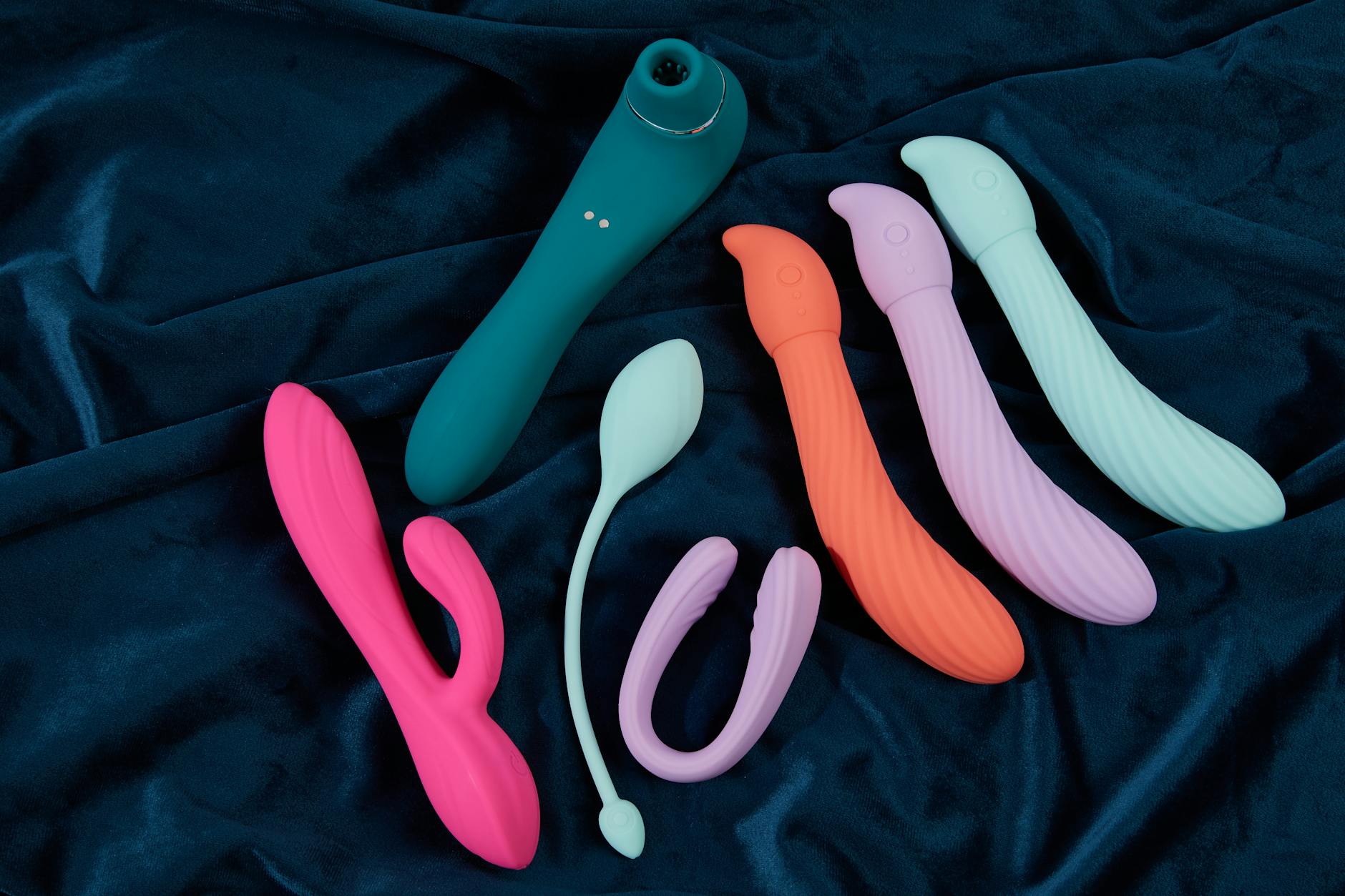
This is where lemon sexual toys, specifically air-suction vibrators like the Lem, become genuinely useful. They work through a completely different mechanism than traditional vibration.
Lemon suction vibrators use gentle pulsing pressure instead of direct mechanical vibration. That distinction matters when your tissue sensitivity is flattened by hormones. Suction stimulates a wider nerve cluster without requiring the intense friction that might feel uncomfortable or overstimulating when sensation is already dulled.
Here's the practical piece: when hormonal birth control suppresses sensitivity, your nervous system has essentially turned down the volume on pleasure signals. Traditional vibrators send a strong signal at a single frequency. You're waiting for a loud enough message to register. A lemon clitoral vibrator works more like building a conversation. The suction pattern creates sustained stimulation across a broader sensory area, which is easier for a dampened nervous system to pick up.
I've seen this shift people's confidence around intimacy more reliably than any other single tool. Not because it's magic. Because it meets your actual physiology where you are.
The arousal timeline changes, and that's okay
One adjustment to expect: your warm-up time is probably longer now than it was before hormonal contraception. I'm not talking about foreplay minutes. I'm talking about 15 to 25 minutes of sustained focus to reach genuine arousal.
This feels frustrating at first. It also feels like a constraint. It's actually an invitation. When you stop fighting the longer timeline and instead commit to it, pleasure deepens. You're giving your nervous system time to register the signals your body is sending.
Lemon vibrators help here because they make extended stimulation comfortable. You're not fighting against overstimulation. You're building arousal steadily with a device designed for sustained use. Many people I work with find this creates stronger, more full-body orgasms than they experienced on hormonal contraception.
The shift is real, though. If you had quickfire orgasms before, you're relearning a different rhythm. That's not loss. That's adaptation.
Rebuilding sensation with a partner versus solo
If you're in a relationship, this conversation matters. Your partner may not understand why you're suddenly less interested in sex or why the same touches don't land the way they used to. They might internalize that as rejection.
Here's what helps: separate the two conversations. "My body is responding differently to hormones" is not the same conversation as "I still want you" or "I'm less attracted to you." Mixing them creates unnecessary conflict.
When exploring lemon adult toys with a partner, frame it as "we're discovering what my body needs now" rather than "what we've been doing isn't working." That shift in language matters. It's collaborative instead of critical.
For solo exploration, this is actually the perfect time to rebuild your own pleasure map. You get to learn what works for your body in its current state without anyone else's rhythm or expectations in the room. Lemon sexual toys are excellent for this because they give you consistent, non-judgmental feedback. You can explore different intensities and patterns without the performance pressure.
The timeline for sensation to return
How long does it take for arousal and sensation to normalize after you stop hormonal contraception? The honest answer is three to nine months for most people, though some shift happens within weeks.
Your hormones don't flip back immediately. They rebuild gradually. Testosterone returns first, often within a few weeks. Estrogen takes longer, sometimes months. During that rebuild period, you might notice your arousal speed fluctuates. One week feels almost like your old baseline. The next week drops back down. That's normal.
Here's where patience and the right tools combine. If you're using a lemon clitoral vibrator during this transition, you're building new neural pathways for pleasure. You're not waiting passively for sensation to return. You're actively rewiring what feels good. That matters because it prevents the psychological shutdown that sometimes happens when people feel numb for months.
What to expect when sensation starts returning
Most people describe the shift like someone turning the volume back up. Touches that felt nothing suddenly register. Direct clitoral stimulation becomes pleasurable again instead of uncomfortable. Lubrication returns. The mental fog around desire lifts.
For some, the transition is dramatic and fast. For others, it's gradual. Neither pattern is better. Neither means something's wrong.
One note: some people find that sensitivity returns unevenly. Your clitoris might regain sensation before your breasts do. Your nipples before your genital tissue. That's physiologically normal and not a sign of permanent damage.
If you've been using a lemon vibrator during the transition, you'll probably notice the device feels different at this stage. What was subtle and steady now feels more intense. That's actually good information. It tells you your body is shifting back.
When to reconsider your contraception altogether
If sensation loss and arousal changes are severe enough to affect your quality of life, that's a legitimate reason to talk with your doctor about alternatives. You don't have to stay on a method that's eroding your pleasure.
Non-hormonal options exist. Copper IUDs, barrier methods, and fertility awareness methods all work without suppressing testosterone. If you want hormonal contraception for other reasons (cycle control, period reduction, acne), that's valid too. But if pleasure is the primary casualty and it's affecting your relationship or your own sexual satisfaction, the conversation about switching is worth having.
Some people find a lower-dose pill or a different formulation works better than what they were on. Others discover that non-hormonal methods suit them. There's no single right answer. It's about what trade-offs you're willing to accept.
What I see consistently is that people feel better, both physically and mentally, when they actively make a choice about their contraception instead of just tolerating whatever side effects show up.
How to use lemon clitoral vibrators while rebuilding sensation
Start low and slow. Literally. On the Lem or other lemon suction vibrators, begin with pattern one and the lowest intensity setting. Your nervous system is already recalibrating. You don't need aggressive stimulation to get results.
Budget 20 to 30 minutes for solo exploration. This isn't a performance metric. It's giving your body real time to register pleasure signals without rushing to an outcome. Many people find their first orgasms after hormonal shifts come in week two or three of consistent practice, not on day one.
Pay attention to what patterns feel good and what feels muted. Keep notes if that helps. You're gathering data about your body's current preferences. That information is useful whether you're exploring alone or with a partner.
If direct clitoral stimulation still feels uncomfortable, explore the broader area around the clitoris. You have sensory nerves in the external vulva, inner labia, and perineum. Lemon vibrators work well for broader stimulation because suction distributes pressure across a wider surface than vibration does.
Consider pairing this with other pleasure-building practices. Longer foreplay with a partner. Extended solo touch without a device. Breathing and mindfulness work. You're rewiring your nervous system's pleasure response, and that happens fastest with multiple sensory channels activated.
People also ask
How long after stopping birth control does sexual sensation return?
Most people notice shifts in arousal and sensation within four to eight weeks after stopping hormonal contraception, as testosterone begins to rebound. However, the full return to your pre-contraception baseline can take three to nine months. Estrogen, which affects genital tissue sensitivity and lubrication, rebuilds more slowly. The timeline varies widely based on which method you were using, how long you used it, and individual hormonal patterns. If sensation hasn't shifted noticeably after three months, that's worth discussing with your doctor.
Can a lemon vibrator help if I'm still on hormonal birth control but want to improve sensation?
Absolutely. Lemon clitoral vibrators work well specifically because suction-based stimulation doesn't require the same baseline sensitivity that traditional vibration does. If you want to stay on your contraception for other health reasons but want to reclaim pleasure, a lemon sexual toy gives you a tool that works with your current physiology rather than against it. Many people use lemon vibrators for improved sensation while staying on their chosen contraception long-term.
Does everyone experience sensation loss on hormonal birth control?
No. About 40-50 percent of people on hormonal contraception notice some decrease in desire, arousal speed, or orgasm intensity. The other 50 percent experience little to no change, or even feel better (reduced period symptoms, predictable mood, freedom from fertility anxiety). How your individual neurochemistry responds to hormonal suppression is partly genetic, partly about the specific formulation, and partly about your baseline sensitivity. Just because your friend had no issues doesn't mean you won't, and vice versa.
Is using a lemon vibrator while on birth control safe?
Completely safe. Lemon vibrators are external devices with no interaction with contraceptive methods, hormonal or non-hormonal. The suction-based design is gentler than traditional vibration, making it a good choice if hormonal contraception has left your tissue more sensitive than usual. Clean your device regularly with mild soap and water, and you're good to go.
What's the difference between a lemon clitoral vibrator and a regular vibrator for this situation?
Lemon suction vibrators create pulsing pressure across a broader sensory area without requiring direct mechanical vibration. When hormonal birth control has muted your sensation, that broader, gentler signal is easier for your nervous system to register. Traditional vibrators send a strong signal at a single frequency, which works great when sensitivity is normal but can feel either too intense or too subtle when hormones have dampened response. The lem vibrator and similar lemon clitoral vibrators are designed specifically to address this mismatch.
Can switching birth control methods improve sensation without needing a toy?
Yes, for some people. Switching to a different hormonal formulation (lower-dose pill, different hormone combination) or switching to non-hormonal contraception often restores sensation without needing other tools. That said, even after switching, your nervous system needs time to rebuild pleasure pathways. Many people find that pairing a contraception change with intentional exploration using a lemon vibrator accelerates the return to baseline sensitivity and helps rebuild sexual confidence faster.
What actually happens next
You don't have to choose between contraception and pleasure. These aren't opposing forces. But hormonal shifts are real, and pretending they're not wastes time you could spend actually enjoying your body.
If you're noticing sensation changes after starting or staying on hormonal birth control, start by naming it clearly to yourself. Not as failure. Not as permanent damage. As information about what your body needs right now.
Then get curious about tools that work with your current physiology instead of against it. Lemon vibrators were literally designed for this kind of challenge. They meet dampened sensitivity with a mechanism that works better than traditional vibration when arousal and sensation are running quieter than they used to.
Your pleasure matters. Your body's current state is legitimate. And there are actual, concrete ways to rebuild sensation that don't require you to choose between contraception and enjoying sex.
If you're not sure where to start, that's exactly what we're here for. Reach out at /contact with questions about what might work for your specific situation. Everyone's physiology and preferences are different, and a conversation beats guessing.