Let's name what actually happened
You learned to fake it because it felt safer than telling the truth. Maybe your partner got frustrated. Maybe you felt broken. Maybe it was just easier to make noise, finish the interaction, and move on. After years of that loop, something shifts. You stop knowing what real pleasure even feels like anymore.
Here's the hard part: faking isn't just a performance issue. It rewires your relationship to sex. It puts distance between you and genuine sensation. It trains your brain to prioritize someone else's satisfaction over your own feedback. And it creates a lie that sits quietly between you and your partner, eroding trust whether they know about it or not.
The good news is that sexual confidence isn't something you lost. It's something that's been buried under habit. And it can come back.
What faking actually costs you
When you orgasm, your brain releases dopamine, oxytocin, and endorphins. Your nervous system learns that pleasure is possible, that your body is responsive, that sex is for you. When you fake orgasms, your brain doesn't get those signals. Over time, your nervous system genuinely starts to believe that real pleasure isn't on the table for you. That's not a lack of desire. That's a trained response.
Second, faking teaches your partner to keep doing exactly what doesn't work. You're both stuck in a script where nobody wins. They think they're doing fine. You're pretending. The disconnect grows. Communication becomes harder because now there's a lie to protect.
Third, it kills sexual self-knowledge. You never actually learn what your body needs, what patterns work, what turns you on. You're performing a role instead of exploring sensation. That gap between your body and your mind gets wider every time.
Why reconnecting feels uncomfortable at first
Honesty in sex is awkward. Admitting you've faked orgasms means admitting years of small lies. It means vulnerability. Your partner might feel hurt, inadequate, or defensive. You might feel shame. All of that is normal, and it's also the only path forward.
I work with couples on this regularly. The conversation usually sounds like: "I want to tell you something that's been hard for me to say. I haven't been having real orgasms. That's not about you. It's about me disconnecting from my own pleasure a long time ago. I want to change that, and I need your help."
That conversation is uncomfortable. It's also the foundation for real sex.
The practical reset: reconnecting with solo sensation
Before you try to rebuild pleasure with a partner, you need to remember what real sensation feels like on your own. This isn't complicated, but it does require honesty and patience.
Set aside 20-30 minutes alone. No partner, no performance. The goal is not to orgasm. The goal is to notice what your body actually feels like when stimulated without pressure.
Start with manual stimulation. Touch your clitoris the way you want to be touched, not the way you think you're supposed to. Explore pressure levels. Notice rhythm. Pay attention to what your body does without you controlling it. This is data collection, not entertainment.
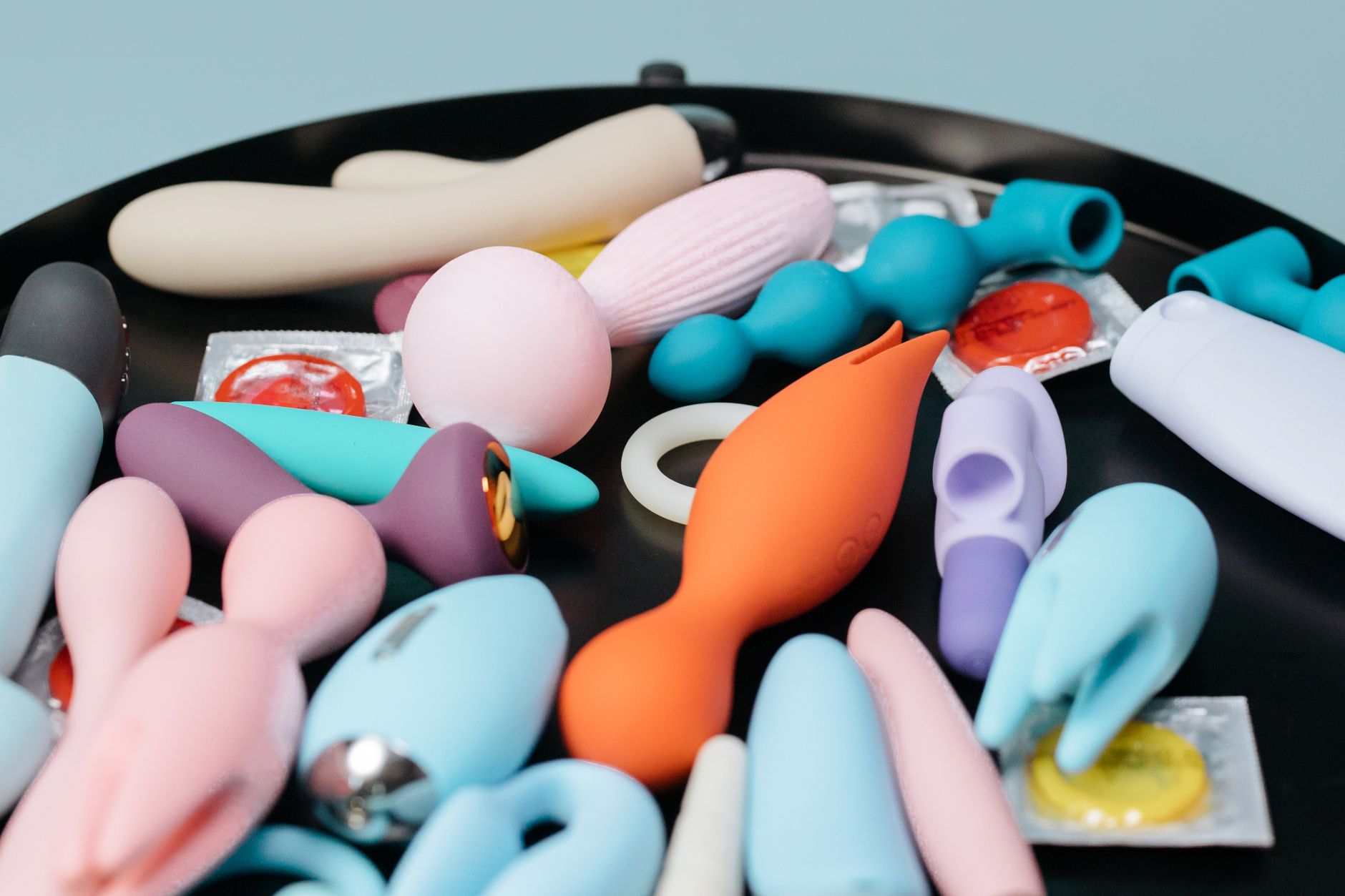
If manual stimulation feels flat after years of faking, clitoral vibrators like the Lem can help reset sensation. Suction-based clitoral vibrators work differently than traditional vibrators. Instead of direct friction, they create a gentle suction and pulsing pattern that stimulates the entire clitoral network, not just the external tip. For people who've numbed out their sensitivity, this often feels like turning the volume back up.
Use it for five to ten minutes with no goal except noticing. Notice what patterns feel good. Notice if you prefer gentler settings or more intensity. Notice where arousal builds. This is the conversation you should be having with your own body.
When to bring your partner back in
Once you've spent time reconnecting with solo sensation, you can have the second conversation with your partner. "I want us to try something different. I've realized I haven't been fully present during sex, and I want to change that. I might feel awkward at first. I might ask you to do things differently. That's okay."
The next step is telling your partner what you actually like. Not what feels safe to say. What genuinely feels good. This might be: "Slower here," "More pressure there," "I like when you..." If you don't know yet, that's honest too: "I'm still figuring this out."
Start with longer foreplay. Arousal takes time to build when you're not just performing. Budget 20-30 minutes of touch before penetration, if that's part of your sex life. Let your body move toward pleasure instead of racing to a finish line.
If you want to use a clitoral vibrator like a lemon vibrator during partnered sex, that's not a sign of failure. It's a tool. Many people find that using a lemon sucker during sex with a partner actually deepens intimacy because they're finally experiencing real pleasure, and their partner gets to feel that difference. The moans are real. The physical response is real. That's connection.
Rebuilding trust with yourself and your partner
Real sexual confidence comes from three things: knowing your body actually responds, trusting your partner with honest communication, and giving yourself permission to prioritize your pleasure.
The first few times you have sex after this reset will feel vulnerable. Your body might not respond immediately. That's normal. You're learning to trust sensation again after teaching yourself not to. Patience matters here.
The second part is harder: you have to actually tell your partner when something doesn't feel good, and you have to trust them to listen without getting defensive. Good partners want this. They want to know what works. They want you to have real pleasure. If your partner responds to honest feedback with shame or anger, that's a different problem that goes beyond sex.
The third part is giving yourself permission to want what you want. You spent years accommodating. You trained yourself to be small. Rebuilding confidence means saying yes to pleasure without justifying it. "I want to use a vibrator during sex." "I want longer foreplay." "I want to take time and not rush." These aren't demands. They're information.
What happens when you stop faking
Something shifts. Your partner sees your real pleasure. You feel it yourself. Your nervous system gets the message that sex is actually for you, not something you endure. That takes time, but it happens.
I've worked with women who've rebuilt their sexual confidence after a decade of faking. They describe it as getting reacquainted with their bodies. As grief for the years that felt like performance. As relief that they don't have to keep lying. And eventually, as genuine pleasure that felt impossible before.
Your sexual confidence isn't broken. It's just been in hibernation. And the path back starts with honesty. With your partner, but first with yourself.
People Also Ask
How do I tell my partner I've been faking orgasms?
Start with the truth, not the blame. "I want to be honest with you about something that's been hard to say. I haven't been having real orgasms. This is about me losing connection with my own pleasure, not about you doing anything wrong. I want to fix this, and I need you to listen without getting defensive." Give them space to feel what they feel. Then move to solutions together.
Can my body even still have real orgasms after years of faking?
Absolutely. Your nervous system learned a pattern, but it can relearn. When you remove the pressure to perform and reconnect with real sensation, your body does respond. It sometimes takes weeks or a few months, but orgasms don't disappear. They're just waiting for you to stop performing and start feeling.
Is using a lemon vibrator cheating if I need it to have an orgasm?
No. A clitoral vibrator is a tool that helps your nervous system remember what real sensation feels like. For many people, especially those who've spent years disconnected from pleasure, tools like the Lem help reset sensitivity and make authentic orgasms possible again. Using a vibrator during partnered sex actually deepens connection because you're finally experiencing something real.
What if my partner gets upset when I tell them I've been faking?
That's a real possibility, and it's worth sitting with. A partner who cares about you wants you to have pleasure. If they respond with anger or shame, that tells you something important about how safe sex is in your relationship. Consider whether you need support from a therapist to navigate that conversation.
How long does it take to rebuild sexual confidence?
It varies. Some people reconnect with sensation within a few weeks of solo exploration. Others take a couple of months. The timeline depends on how long you faked, how disconnected you became, and how supportive your environment is. Patience with yourself matters more than speed.
Can I use a lemon vibrator if I've never actually had an orgasm?
Yes. If you've been faking so long that you genuinely don't know what a real orgasm feels like, clitoral vibrators can help your body experience one. The suction-based design of tools like the Lem stimulates the broader clitoral network, which often makes orgasm more accessible. Start solo, no pressure, and let your body respond.
The path forward
Rebuilding sexual confidence after years of faking is an act of honesty. With your partner, with your body, with yourself. It's awkward. It's vulnerable. And it's the only way back to genuine pleasure.
Your body hasn't forgotten how to respond. It's just been waiting for permission to do it for real. Start with that permission. Everything else follows.
If you're ready to have that conversation with your partner, or if you need support navigating what comes next, get in touch with Hello Nancy. You don't have to figure this out alone.