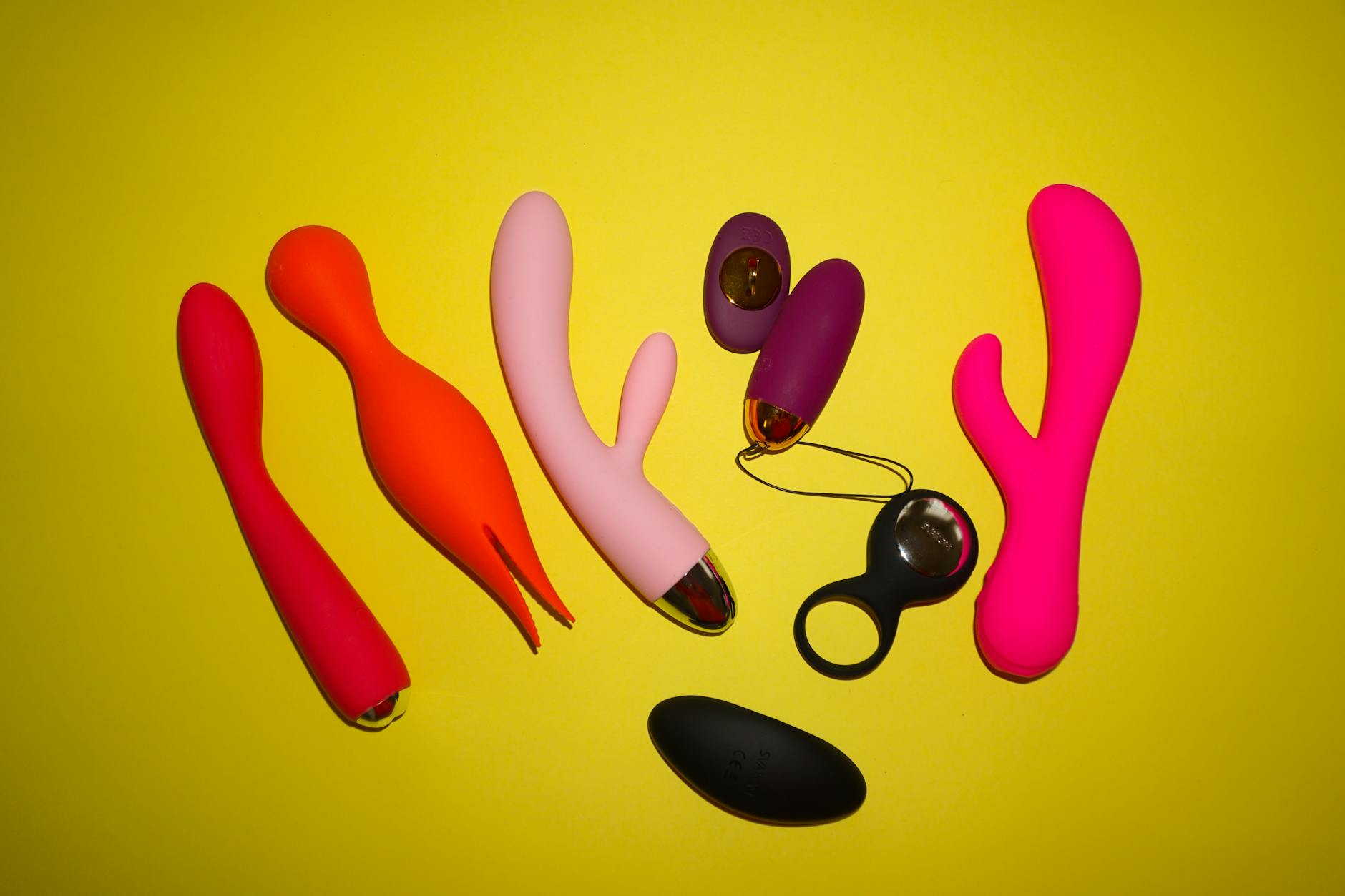
How to Use a Lemon Vibrator for Better Clitoral Stimulation
Let's be real. Most people have no idea how to actually use a lemon vibrator. They buy one, turn it on at full blast, press it straight into their clitoris, and wonder why it doesn't feel like much. Then they assume vibrators just aren't their thing.
That's not true. The vibrator is fine. The technique is the problem.
Why angle matters more than you think
Your clitoris isn't a button you press. It's a complex nerve structure with thousands of sensory endings, and most of them respond better to indirect stimulation than direct pressure. This is why the lemon vibrator works so well. The rounded, tapered head is designed to sit against the external clitoris at an angle, not square on top of it.
Here's the difference. Direct pressure straight down can feel numb or actually painful for many people. Angled pressure, especially from the side or at a 45-degree tilt, activates more nerve pathways and feels richer. When you use a lemon clitoral vibrator, think of it less like a stamp and more like a gentle sculptor. You're working the surface of the area, not drilling into one point.
Experiment with three angles first. Tilt the head slightly to the left. Then the right. Then try a more horizontal angle where the vibrator sits almost flat against the whole mound. One of these will feel noticeably better than the others. Stick with that angle as your baseline and adjust from there.
Pressure is where most people fail
The single biggest mistake I see is too much pressure, too fast. People assume that because a vibrator vibrates, they should press it hard. That's like thinking a massage should hurt to work.
Start with barely any pressure. I mean almost no contact. If you're using the lemon vibrator, let it rest against your skin so lightly that you're mostly feeling the vibration, not the weight of the device itself. This sounds obvious but people skip it because it doesn't feel like "enough." It's always enough.
From there, increase pressure in tiny increments. Go from feather-light to light to medium. Most people never need to go past medium pressure to reach orgasm. Heavy pressure is useful later, but only after you've spent time at lower intensities. Your nerve endings are more responsive when they're not already maxed out.
If you find yourself pressing harder and feeling less, you've gone too far. Back off immediately. The sweet spot is usually the moment right before you feel like you need more pressure.
Setting and speed selection
The lemon vibrator typically has 3 to 10 speed settings depending on which model you're using. Most people jump straight to setting 6 or 7. Don't.
Start at setting 1 or 2. Spend 2 to 3 minutes here just getting used to the sensation. Your body needs time to warm up. Early arousal is quiet. The clitoris fills with blood gradually, sensitivity increases incrementally, and nerves wake up slowly. If you jump to high speed before your body has warmed up, the sensation feels scattered instead of focused.
Once you're properly aroused (you'll know because the clitoris will swell slightly and touching it will feel more intense), move up to setting 4 or 5. This is usually the sweet spot for sustained pleasure. Setting 7+ is useful for pushing toward orgasm, but not for the whole experience.
Pattern matters too if your lemon vibrator has pulse or rhythm settings. Steady continuous vibration is easier to learn with. Pulsing patterns are fun to explore once you know what you're doing, but they can feel chaotic if you haven't built baseline sensitivity yet.
Positioning yourself for maximum sensation
This is unsexy to talk about but wildly important. How you're lying or sitting changes everything about what you feel.
If you're lying flat on your back with your legs straight, you're creating tension in your pelvic floor. This makes sensation feel muted. Instead, bend your knees and prop a pillow under your hips so your pelvis tilts slightly forward. This relaxes the pelvic floor and makes the clitoris more accessible and more sensitive.
Some people prefer sitting up slightly, leaning back against pillows. Others like lying on their side. The key is that your pelvic floor should feel relaxed, not clenched. If you notice yourself tensing up, pause, take a breath, and consciously release.
Lighting and temperature matter more than you'd expect too. Warm skin is more sensitive skin. A cool room or cold hands makes sensation feel duller. Some people find that applying a bit of warmth to their lower abdomen before using the lemon vibrator makes everything feel more intense.
Time of day also shifts sensitivity. Most people are more responsive in the evening than the morning, and more responsive mid-cycle than other times of the month if they menstruate. This isn't scientific fact about everyone, but it's worth noticing for yourself.
How to move the vibrator, not just hold it still
Here's a technique that changes everything. Instead of pressing the lemon vibrator in one spot and leaving it there, try small movements. Rock it side to side very gently. Move it in small circles. Trace the edge of the clitoral area.
These micro-movements distribute sensation across more nerve endings. They also prevent the numbing effect that can happen when one spot gets overstimulated. If you feel pleasure building and then suddenly flattening out, that's usually numbness setting in. Move the vibrator slightly and sensation floods back.
As you get closer to orgasm, you'll naturally want to hold it more still. Let that happen. But in the early and middle phases, movement is your friend.
Breathing, arousal, and the warm-up phase
Most people rush the arousal phase. They want to jump straight to the good part. But the good part doesn't exist without proper warm-up.
Before you even turn on the lemon vibrator, spend a few minutes with just your fingers or your partner's touch. Build some baseline arousal first. This primes your nervous system and makes everything that comes after feel stronger.
Once the vibrator is in use, breathe intentionally. Shallow breathing contracts the pelvic floor. Deep breathing relaxes it and increases blood flow. If you notice you're holding your breath, that's a sign to slow down and focus on exhaling fully.
Many people also find that a longer arousal phase (15 to 20 minutes total before orgasm) feels more satisfying than a quick one. This isn't about forcing it to last longer. It's about giving your body enough time to build genuine pleasure instead of just chasing release.
When sensation flattens and what to do
You'll sometimes hit a plateau where the vibration stops feeling like much. This happens to almost everyone and usually means one of three things.
First, the area might be numb from overstimulation. Solution. Move the vibrator to a slightly different spot or reduce the setting for a minute. Your nerve endings reset quickly.
Second, you might be tensing your pelvic floor without realizing it. Pause for a breath or two. Consciously relax everything below your belly button. Sensation will return.
Third, you might just need a different approach for the next phase. If you've been using steady vibration at setting 3, try jumping to setting 6 for a different feeling. Change the angle. Add your fingers to the mix. Your body gets used to repetition and needs variation to keep building toward orgasm.
Using a lemon vibrator with a partner
If you're using the lemon vibrator with someone else, communication is everything. Tell them what pressure feels good. Show them the angle that works. Let them know if something feels numb or too intense.
Many people feel awkward directing a partner in the moment. Don't. Your partner wants to know what feels good. They'd rather have specific feedback than guess. "A tiny bit lighter" or "can you move it more to the left" is way more helpful than silence followed by "that wasn't really working."
Some couples find it hot for the receiving partner to direct the vibrator themselves while their partner uses their hands elsewhere. Others like handing over full control. Both approaches work. The key is that pleasure shouldn't require telepathy.
FAQ: Common questions about lemon vibrators and clitoral stimulation
How long should a session with a lemon vibrator actually take?
There's no right answer. Some people reach orgasm in 5 minutes with a lemon clitoral vibrator. Others take 20. The timeline depends on your arousal level, your stress, whether you've come already today, and just how your nervous system is wired. Faster isn't better. Longer isn't better. Whatever builds genuine pleasure is right.
Can you use a lemon vibrator too much and lose sensitivity?
Yes and no. You won't permanently damage nerve endings by using a vibrator frequently. But you can desensitize yourself temporarily through overuse. If you use a lemon vibrator multiple times a day for weeks on end, your clitoris might feel less responsive to other touch. Taking a few days off resets this. Think of it like how your ears adjust to ambient noise. The stimulus is still there, but you stop noticing it until you get a break.
Is it normal if a lemon vibrator doesn't work the first time?
Completely normal. Your nervous system needs time to learn what feels good. The first few times using any new vibrator, you're in exploration mode, not necessarily pleasure mode. Give yourself at least 3 to 5 sessions with a lemon clitoral vibrator before deciding it's not for you. Technique, positioning, and arousal level all shift from session to session.
Should you use lube with a lemon vibrator?
Not typically. The rounded silicone head of the lemon vibrator is designed to work dry against skin. Lube actually reduces sensation because it creates a slippery barrier between the vibrator and your nerve endings. That said, if your skin feels irritated or if you have less natural lubrication, a tiny bit of lube is fine. Just use water-based so it doesn't degrade the silicone.
Can you orgasm from a lemon vibrator if you've never orgasmed before?
Maybe. If you're pre-orgasmic, a lemon clitoral vibrator is a great tool to explore with because it's specifically designed for clitoral stimulation. But vibrators alone don't guarantee orgasm for everyone. Mental state, pelvic floor tension, medication, and stress all play huge roles. A vibrator is a tool that makes reaching orgasm easier for most people, but it's not magic. If you're struggling, a sex therapist can help way more than any device.
What's the difference between using Hello Nancy lemon vibrators and other clitoral vibrators?
The lemon vibrator is engineered specifically for broad stimulation instead of pinpoint intensity. The rounded, tapered design distributes vibration across a larger surface area of the clitoris. This works better for many people than narrower devices. But "better" is personal. Some people prefer the precision of a smaller vibrator. The best clitoral vibrator is the one that actually works for your body, not the most expensive one or the one everyone talks about. If you're new to clitoral vibrators, the lemon is a solid bet because it's versatile and forgiving.
The real goal is learning your own body
I help couples navigate intimacy for a living, and I see the same pattern over and over. People buy pleasure devices but don't actually spend time learning how to use them. They expect the vibrator to do the work instead of understanding that they're in a partnership with the tool. Your hand, your positioning, your breathing, your arousal level, your mental state. Those all matter as much as which vibrator you pick.
Take time to understand what pressure, angle, speed, and movement pattern work for your body. Write down what you notice. Adjust based on what you learn. The lemon vibrator will feel completely different once you stop using it like an automatic device and start using it like an extension of intention.
Your pleasure is worth that attention. Really.