How to Use a Lemon Vibrator for Better Pleasure When You Have Vulvodynia
Vulvodynia is chronic pain in the vulval area without a clear infectious or dermatological cause. It's real. It's painful. And it absolutely does not mean your pleasure is over.
Here's what most people with vulvodynia are told: rest, avoid stimulation, see a pelvic floor therapist. All true. But the conversation usually stops there. Nobody explains what happens when you're ready to reclaim pleasure, or why a lemon vibrator (a suction-based clitoral device) works so differently than a traditional vibrator when you're managing chronic vulval pain.
I've worked with dozens of clients navigating vulvodynia, and the pattern is always the same. They've spent months or years protecting the area from any touch. The pain becomes anticipatory. Muscles tense preemptively. And when they're finally ready to explore sensation again, the wrong tool can retrigger everything. Let me show you why the Lem works, and how to use it safely.
What vulvodynia actually does to pleasure
Vulvodynia creates a nervous system response that makes even gentle touch feel threatening. This isn't psychological. The nerves in the vulval area become sensitized, firing pain signals at lower thresholds than they normally would. When you're in this state, direct pressure or friction on the vulva feels like a threat, and your body responds by tensing the pelvic floor, which amplifies the pain.
The clitoris is protected by a hood of tissue, and it sits slightly inward from the most tender areas in vulvodynia. This matters because it means direct clitoral stimulation is often tolerable when vulval touch is not. Many people with vulvodynia can engage with clitoral pleasure without triggering the same pain response.
Traditional vibrators work through oscillation. They vibrate back and forth rapidly, creating friction. This can feel like pressure on surrounding tissue, and that pressure can activate pain pathways even if the vibrator never touches the painful zone directly. The psychological anticipation of pain is also powerful. If your nervous system expects pain, it will create it.
Why suction feels different (and safer)
The Lem works through pneumatic suction. Instead of vibrating, it gently pulses, drawing the clitoris into a chamber and releasing in a rhythmic pattern. This creates sensation without friction and without sustained pressure on the vulva itself.
Here's what that means clinically. Suction stimulation engages nerve pathways that are separate from pain pathways. You're not overloading an already sensitized nervous system. You're using a different door to pleasure. And because the mechanism doesn't require friction, there's less risk of triggering the protective pain response that traditional vibrators can activate.
Many of my clients with vulvodynia report that suction feels almost meditative compared to vibration. It's rhythmic, predictable, and there's no sensation of pressure building up in the surrounding tissue. It's also quieter, which reduces anticipatory anxiety. No whirring sound means your nervous system doesn't spend the session expecting discomfort.
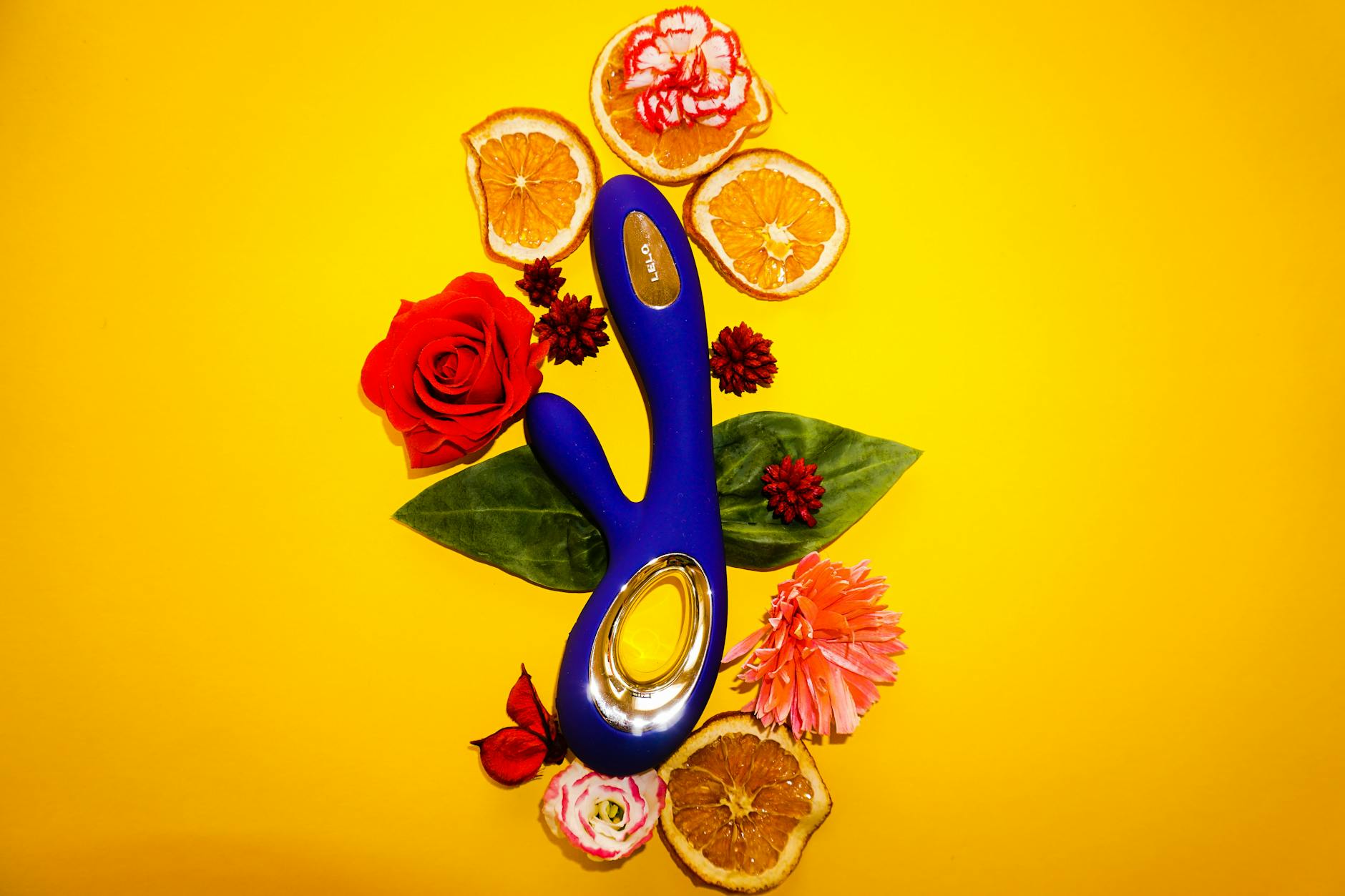
Photo by FounderTips . on Pexels
Starting slow. And I mean slow.
If you've been managing vulvodynia for months or longer, your pelvic floor is probably guarded. You might not feel it, but when I palpate these muscles in therapy, they're rigid. The first goal isn't orgasm. It's nervous system recalibration.
Start by holding the Lem in your hand and turning it on at the lowest setting. Don't touch it to your body yet. Just get used to the sensation in your hand. Feel the pulse rhythm. Notice that it's gentle. Spend a few sessions doing this if you need to. This is retraining your nervous system that suction is safe.
When you're ready to make contact, start at the outer labia or the base of the clitoral hood. Not directly on the clitoris. You're looking for a zone that feels pleasurable without any pain component. This might take experimentation. Every vulva is different, and vulvodynia pain maps are individual too.
Keep sessions short. Ten minutes maximum at first. Your nervous system needs practice recognizing pleasure without bracing for pain. Shorter, positive interactions build confidence faster than longer sessions that might push into discomfort.
Building sensation tolerance gradually
One of the psychological impacts of vulvodynia is sensation avoidance. You learn to tense preemptively to avoid pain, and eventually you stop being able to distinguish between pain and pressure. Gentle, repeated positive sensation helps rewire this.
Once you're comfortable at the lowest setting on the outer areas, you can very gradually move toward the clitoris over weeks or even months. There's no timeline here. Listen to your body completely. If something triggers pain, stop immediately. You're not pushing through vulvodynia. You're learning the boundary between pain and pleasure, and that boundary is different for everyone.
Some clients find that having a partner present helps, even if they're not directly involved. Having someone you trust in the room reduces anticipatory anxiety. Other clients prefer complete solitude. There's no wrong answer.
When you're ready to work with the clitoris directly, keep the Lem on settings 1 or 2. The intensity matters less than the consistency. You're looking for rhythmic sensation that feels pleasurable. Orgasm isn't the goal right now. Reclaiming pleasure without pain is.
Lubrication and micro-adjustments
If you have vulvodynia, your vulva might be more sensitive to friction than usual. Even though suction vibrators like the Lem don't create the same friction as traditional vibrators, the chamber opening can sometimes feel slightly sticky against sensitive tissue.
A tiny amount of water-based lubricant can help. Not for penetration, just enough to let the Lem chamber glide smoothly. This reduces any micro-friction at the contact point and can make the sensation feel purely pleasurable instead of mixed with mild discomfort.
Keep the lubricant simple. Fragrance-free, hypoallergenic options are safest. Many people with vulvodynia find that even small chemical irritants can trigger flares, so less is more when it comes to additives.
As you progress and your nervous system recalibrates, you might find you need less lubricant. You might even find you want to experiment with slightly higher settings on the lemon vibrator. Let these adjustments happen naturally. You're looking for the sweet spot where pleasure is clear and pain is completely absent.
When pleasure meets pacing with a partner
If you have a partner and you're starting to explore pleasure again after managing vulvodynia, communication becomes even more important than usual.
Your partner might not understand why you need to use the Lem alone first, or why you can't move faster than you're moving. This is where you get to practice saying exactly what you need. "I want us to rebuild this together, and that means I need to learn what my body can do first. This isn't about you. This is about my nervous system learning that pleasure is safe."
Many partners genuinely want to support this process. They just don't know what that looks like. Having the Lem be a bridge can actually help. Your partner can be present. You can narrate what feels good. You can pause whenever you need to. This is collaborative pleasure-building, not solo recovery.
Once you're consistently enjoying sensation without pain, your partner can learn the Lem too. Understanding how it feels might help them understand what you've been experiencing. And eventually, if you want to involve them more directly, they'll already understand your boundaries and preferences.
Common questions about lemon vibrators and vulvodynia
Can I use the Lem if I'm having a vulvodynia flare?
No. A flare means your nervous system is already activated. Rest during flares. Gentle, pleasurable stimulation is for periods when baseline pain is manageable and your system is calm.
Will using a lemon clitoral vibrator make my vulvodynia worse?
When used correctly at low settings and with proper pacing, suction vibrators typically don't trigger pain. The opposite is often true. Gentle, positive sensation helps recalibrate the nervous system away from pain anticipation. That said, every body is different. If the Lem triggers pain, stop and check in with your pelvic floor therapist.
How long before I can use the Lem at higher settings?
This varies widely. Some people progress over weeks. Others take months. There's no standard timeline. You're looking for consistent comfort and pleasure at each level before moving up. Rushing this step can reset progress.
Can vulvodynia come back if I use a lemon vibrator too much?
Vulvodynia has many underlying causes, and not all are well understood. The Lem itself won't cause a flare if used gently and within your tolerance. What matters is pacing and listening to your body. If you overdo it and trigger a response, that's your signal to rest, not your vibrator's fault.
Is the Lem better than other clitoral vibrators for vulvodynia?
Suction devices like the Lem are gentler than traditional vibrators because they don't create friction. They're also quieter and more rhythmic, which helps with nervous system regulation. That said, every vulva is different. Some people find that certain types of stimulation work better than others. The Lem is a great starting point, but your ideal tool depends on your specific pain patterns and nervous system response.
Should I tell my therapist I'm using a lemon vibrator?
Yes. Your pelvic floor therapist needs to know what you're doing so they can monitor your progress and adjust treatment accordingly. They can also help you figure out positioning and pacing that supports your healing.
The bigger picture
Vulvodynia is a nervous system condition, not a pleasure problem. Reclaiming pleasure isn't about willpower or bravery. It's about using tools and pacing that let your nervous system learn that sensation can be safe again.
The Lem works because it separates sensation from pain activation. It's gentle. It's rhythmic. It doesn't create the friction that can trigger protective responses. And it lets you control every variable. Speed, duration, intensity, location. All yours.
Your pleasure matters. Not as something to achieve or prove. But as evidence that your body is healing and your nervous system is recalibrating. Every painless moment of sensation is your system learning something new.
If you're managing vulvodynia and thinking about reclaiming pleasure, start here. Start small. Start with patience. The rest will follow.
Want guidance on rebuilding intimacy after managing chronic pain in a relationship? <a href="/blog/how-to-use-lemon-vibrator-with-partner-after-major-life-stress">How to Use a Lemon Vibrator With Your Partner After Major Life Stress</a> walks through communication strategies that work when you're rebuilding together. Or if you're exploring sensation more broadly, <a href="/blog/how-lemon-vibrators-help-clitoral-sensitivity-return-after-pelvic-floor-tension">How Lemon Vibrators Help Clitoral Sensitivity Return After Pelvic Floor Tension</a> covers the neuroscience of reclaiming sensation after long-term guarding.
Questions? <a href="/contact">Reach out to Hello Nancy</a>. We're here to help.