Let's start with what nobody tells you
Your clitoris is not a static piece of anatomy. It's a living, responsive part of your body that changes sensitivity constantly. Some days it wants intensity. Other days light pressure feels overwhelming. This isn't dysfunction. This is normal.
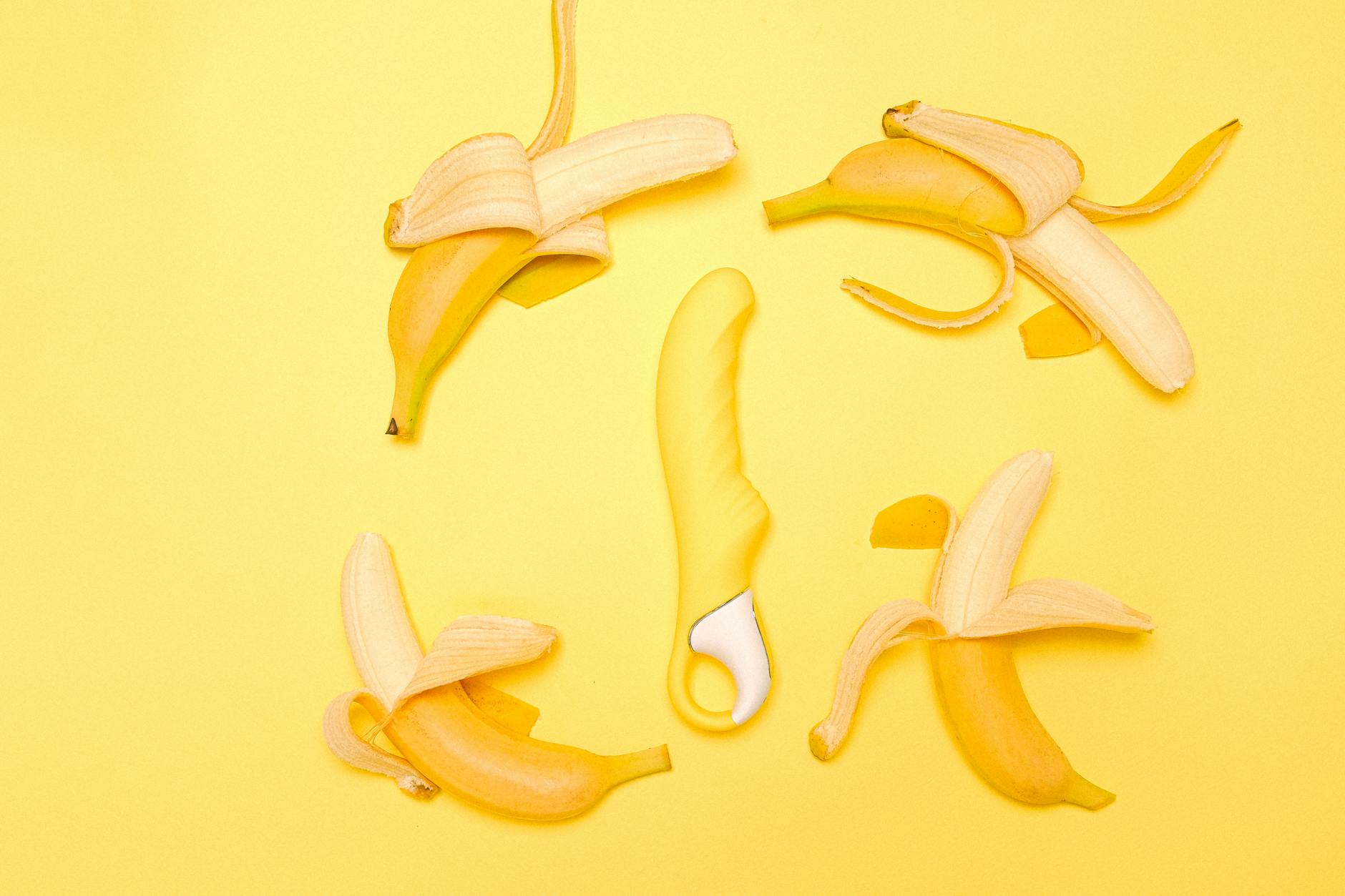
Most people spend years thinking their pleasure is broken when really they're just using the same tool the same way every single time. A lemon vibrator, specifically one with adjustable suction patterns and intensities, is built exactly for this kind of responsiveness. But you have to know how to listen to what your body needs in the moment.
Why your sensitivity shifts (and it's not all hormones)
Yes, your menstrual cycle affects clitoral sensitivity. In the follicular phase, estrogen climbs and your tissues swell slightly, making the clitoris more prominent and often more easily stimulated. In the luteal phase, progesterone rises and sensitivity can drop or feel different. But the cycle is only one piece of this.
Stress, sleep, hydration, what you ate, whether you've been touching yourself recently, your emotional state with your partner, how much attention the area has received lately, and plain old individual variation all shape how sensitive you are on any given day. Some people notice their sensitivity shifts week to week. Others notice it changes hour to hour. Neither pattern is wrong.
The point: your pleasure isn't a bug. It's a feature. And it requires you to pay attention and adjust.
Reading your sensitivity before you start
Here's what I tell clients. Before you reach for the lemon vibrator, spend two minutes noticing. Not touching yet. Just noticing.
Does the idea of light stimulation sound good, or does it sound annoying? Are you already aroused, or does your body need more time to warm up? Does the area feel tender, or does it feel open? When you imagine touching yourself, do you want gentle pressure or something more direct?
These aren't trick questions. Your gut answer tells you what your body needs right now. Write it down if that helps. Over time, you'll spot patterns. You might notice that on certain days of your cycle, or after certain kinds of stress, or in the morning versus evening, you consistently want something different.
The four sensitivity settings (and when to use each)
Most clitoral vibrators, including lemon suction toys, come with at least three to five intensity levels. Think of them this way.
Ultra-light (patterns 1-2). Use this when you're already very aroused, when your sensitivity is peaking, or when you're recovering from any kind of irritation. This is also your warmup pattern. Spend five to ten minutes here before moving up. Many people skip this and jump straight to intensity, which is why they then feel overwhelmed. Start here every time.
Light-to-moderate (patterns 3-4). This is your sweet spot most days. It's stimulating enough to build toward orgasm without being jarring. If you're unsure what you need, start at ultra-light and drift here.
Moderate-to-strong (patterns 5-7). Save this for days when you're deeply aroused and want clear, focused pressure. This is when most people get their best orgasms. But it only works if you've warmed up first.
Maximum intensity (final patterns). You might never need this. Some people love it. Others find it overwhelming even on their most sensitive days. There's no "should" here. If you never use the top two settings, that's completely fine.
The Lem vibrator's suction-based design is particularly helpful when sensitivity fluctuates because suction feels less sharp than direct vibration. It's broader, more surrounding, less likely to feel too intense even at higher patterns. That's one reason so many people with variable sensitivity prefer lemon clitoral vibrators over traditional vibrators.
When sensitivity is unusually low (and what to do)
Some days your clitoris feels almost numb. You're not broken. This happens.
First, hydration and blood flow matter more than you'd think. Drink water. Do five minutes of movement. Rub your arms or legs to warm up the whole body. Sometimes low sensitivity is just dehydration.
Second, extend your warmup. Use pattern 1 or 2 for ten to fifteen minutes. Don't rush to higher intensities. Your body might need longer to wake up today. That's not failure. That's rhythm.
Third, focus on pleasure other than orgasm. Maybe your clitoris doesn't want to orgasm today. Maybe what it wants is sustained, gentle stimulation. Give it that. Orgasm will come other days.
Fourth, consider what else is going on. Are you stressed? Tired? Hungry? In a conflict with your partner? Sometimes low sensitivity is your body's honest signal that something else needs attention first. Listen to that instead of pushing through.
If low sensitivity persists across weeks, that's worth mentioning to your doctor. Medication, thyroid issues, or hormonal shifts sometimes genuinely suppress sensation. But day-to-day fluctuation is normal and manageable.
When sensitivity is unusually high (and what to do)
Other days your clitoris feels almost hypersensitive. Even pattern 1 feels strong.
This often happens in specific cycle phases, or after a period of not touching yourself, or when you're stressed and your nervous system is on high alert. Again, not broken. Just different.
Respect it. This is the day for that ultra-light pattern 1. It's the day for longer, slower buildup. It might be the day where you use your lemon vibrator for five minutes then stop, then touch yourself a different way, then return to it. Mixing methods often feels better when sensitivity is peaked.
Also: lube matters more on these days. Even if you usually don't need much, adding a bit of water-based lubricant can feel soothing and can make light pressure feel less intense by spreading the sensation. It's not about needing more stimulation. It's about softening what's there.
Building a responsive routine
Here's what I recommend. Stop thinking about your lemon vibrator routine as fixed. Think of it as adaptive.
Keep a small note somewhere (your phone, a private journal, whatever) where you jot down what worked on any given day. Not obsessively. Just a quick note. "Pattern 3 felt great today. Took 12 minutes to orgasm. Felt amazing." Or "Pattern 1 was too much today. Used pattern 1 for 20 minutes instead. Pleasure was more diffuse but felt good."
Over two or three months, patterns will emerge. You'll notice that certain days of your cycle prefer certain intensities. You'll notice that stress or lack of sleep shifts your needs. You'll notice that the longer you go without touching yourself, the more sensitive you become. That's data. Use it.
Also, vary your approach. One day use your lemon vibrator. Another day use a wand or your hands. Another day use your vibrator plus your hands. Varying stimulation keeps your nervous system responsive instead of habituated. It also keeps you learning about what feels good.
The partner element
If you're with someone, they need to understand that your sensitivity fluctuates. This isn't you being difficult. This isn't a rejection of them. This is you having a body that responds to context.
The easiest way to manage this: communicate before you get into it. "Today my sensitivity is pretty high. I want to start with pattern 2." Or "I'm not sure what I need today. Let's start light and see what feels good." This takes thirty seconds and prevents someone from diving into intensity that doesn't match what you need.
Also, your partner can help you notice patterns you might miss. They might observe that after certain conversations, or on certain days, you consistently want lighter or stronger stimulation. That's useful information. Let them be a partner in figuring out your body, not just a participant.
Tracking without obsession
You don't need an app or a spreadsheet. But paying gentle attention helps.
I often suggest people notice three things: cycle phase (if you have a cycle), how you're sleeping, and how stressed you are. These three factors explain most of the variation in clitoral sensitivity. Knowing them helps you predict what you'll probably need before you even touch yourself.
Cycle phase is easy to track (you probably already know your period dates). Sleep and stress are just a quick mental check. "Did I sleep eight hours or four? Am I carrying tension in my shoulders?"
That's it. You're not medicating yourself. You're just paying attention. And adjustment becomes natural.
When sensitivity fluctuation becomes frustrating
Sometimes the fluctuation itself feels like the problem. You want to know what to expect. You want reliable pleasure.
Here's the hard truth: reliable pleasure comes from flexibility, not from consistency. The people with the best sex lives aren't the ones with a static routine. They're the ones who notice what's happening and adjust. That's a skill. It takes practice.
If you've been using a lemon vibrator with reduced sensation after antidepressants, or if you've had other things that fundamentally altered your baseline sensitivity, fluctuation can feel especially annoying because you're already working harder. In that case, the adaptive approach matters even more. You're not fighting your body. You're collaborating with it.
The pleasure payoff
Once you get good at reading your sensitivity and adjusting your approach, something shifts. You stop thinking "Why isn't this working?" and start thinking "Oh, this is what I need today." That distinction is the difference between frustration and genuine pleasure.
Your clitoris isn't a machine that works the same way every day. It's a responsive, intelligent part of your body that changes based on your cycle, your stress, your sleep, your hydration, what you're thinking about, and about a hundred other factors. A lemon clitoral vibrator, with its range of intensities and suction-based design, is built to match that variability.
The goal isn't to force consistent pleasure. The goal is to practice listening, adjusting, and trusting what your body tells you it needs. That practice, over time, actually makes pleasure more reliable. Not because your body stops changing. Because you stop fighting the changes.
People also ask
Why does my clitoris feel less sensitive on certain days of my cycle?
Your clitoris is surrounded by tissue that responds to estrogen and progesterone. In your follicular phase, estrogen rises and tissue swells slightly, making your clitoris more prominent and often more easily stimulated. In your luteal phase, progesterone dominates and the tissue retracts, which can make stimulation feel less direct or intense. This isn't a problem. It's just anatomy. Adjusting your lemon vibrator's intensity pattern to match your cycle phase usually solves any frustration.
Can I use my lemon vibrator every day, even when sensitivity fluctuates?
Yes, if you're paying attention. The key is adjusting your approach based on what your body needs. Some days that's pattern 1 for ten minutes. Other days it's pattern 4 for eight minutes. Varying your intensity, duration, and frequency actually keeps your nervous system responsive rather than habituated. If you used the exact same intensity the exact same way every single day, you might notice that over weeks or months, you need more intensity to get the same effect. Varying your approach prevents that.
What if my sensitivity is so high that even pattern 1 feels overwhelming?
First, make sure you're using a water-based lube. Lube softens sensation without reducing stimulation. Second, try using the vibrator over your underwear or a thin barrier first, then work toward direct contact. Third, use your vibrator for just two or three minutes, then take a break, then return to it. You're teaching your nervous system that the sensation is safe and manageable. Fourth, consider whether stress or hormones are genuinely creating hypersensitivity, or whether you're just impatient to get to intensity. Give yourself fifteen to twenty minutes of ultra-light stimulation before deciding it's too much.
How do I know if fluctuating sensitivity is normal or a sign something's wrong?
Normal fluctuation follows patterns. It correlates with your cycle, your stress level, your sleep, or identifiable life circumstances. It resolves when those factors change. Abnormal sensitivity loss appears suddenly, doesn't match your cycle, happens alongside other symptoms (pain, unusual discharge, or general numbness), or persists across weeks regardless of context. If you're genuinely concerned, mention it to your doctor. But day-to-day and week-to-week sensitivity shifts are standard.
Can antidepressants or other medications affect how I feel a lemon vibrator?
Yes. Many medications, including SSRIs, can dampen sensation or make orgasm harder to reach. If you're on medication that you think is affecting sensitivity, that's worth discussing with your prescriber. But many people find that while medication changes the baseline, adjusting their approach still works. You might need to spend more time on lower intensity patterns, or use lube more consistently, or extend your overall session length. A lemon vibrator's adjustable patterns actually help here because you're not stuck with one intensity.
Is it normal for sensitivity to feel different during partnered sex versus solo play?
Completely normal. During partnered sex, you're managing attention, arousal, your partner's pace, and emotional elements all at once. Solo, you can focus purely on sensation. Also, your partner's touch feels different than your own or a vibrator's touch. Your nervous system responds to all of these variables. Many people find that sensitivity in solo play doesn't match partnered play, and vice versa. This is why adjusting your lemon vibrator's intensity based on whether you're alone or with someone is smart. You might want pattern 2 solo but pattern 4 partnered, or the reverse.
The bottom line
Your sensitivity will keep changing. That's not a flaw. That's how pleasure works. A lemon vibrator's adjustable patterns and suction design let you work with those changes instead of fighting them. Pay attention. Adjust. Trust what your body tells you. That's the real skill here. And it's absolutely learnable.