When pleasure becomes unpredictable
Let's be real. There's something uniquely frustrating about not knowing whether your body will cooperate on any given day. You might have an intense orgasm one week, then spend the next three sessions chasing the same feeling and getting nowhere. It's not in your head. It's not a sign you're broken. And it's wildly more common than anyone talks about.
Unreliable orgasms happen for dozens of reasons, most of them fixable. The problem is that traditional vibrators often mask the underlying issue instead of solving it. This is where air-suction technology changes everything.
What makes pleasure unreliable
Orgasms depend on three systems working in tandem: nervous system arousal, blood flow, and mental focus. When any one of these wavers, the whole chain falls apart.
Nervous system variability. Your nervous system isn't static. Stress, sleep, hormonal shifts, caffeine, hydration, and even barometric pressure affect how responsive your nerves are to stimulation. On high-stress days, your parasympathetic nervous system (the one that allows pleasure) downregulates. Your body literally can't access the same level of sensation. This isn't failure. It's neurology.
Blood flow inconsistency. Clitoral sensation depends on engorgement, which requires solid blood flow. Dehydration, poor sleep, certain medications, and cardiovascular fitness all affect how quickly blood reaches the clitoris during arousal. If blood flow is sluggish, the clitoris doesn't engorge fully, and sensation becomes muted or delayed.
Friction desensitization. This is the one most people don't know about. If you're using a traditional vibrator, you're applying consistent mechanical pressure to the same spot. Over weeks or months, your nerve endings adapt. They need more intensity or novelty to fire the same way. You're not becoming numb to pleasure generally. You're becoming desensitized to that specific stimulus pattern.
This is where Lemon vibrators, built on suction rather than vibration, interrupt the cycle.
How suction works differently
A Lemon clitoral vibrator uses gentle air-suction stimulation instead of vibration. This matters because suction engages the clitoris in a fundamentally different way than traditional vibrators.
Where vibration applies repetitive mechanical pressure to the surface, suction creates a gentle pulling sensation that engages the entire clitoral structure, including the internal bulbs and vestibular tissues that extend deep into the body. You're not overstimulating one patch of skin. You're creating a broader, more distributed sensation.
The result: your nerve endings don't habituate (adapt) as quickly. You can use a Lemon vibrator regularly without building up tolerance the way you would with a traditional device.
Second, suction is gentler. You can use it more frequently without causing temporary desensitization from intense mechanical friction. This means you're not locked into a cycle of needing days of recovery between sessions.
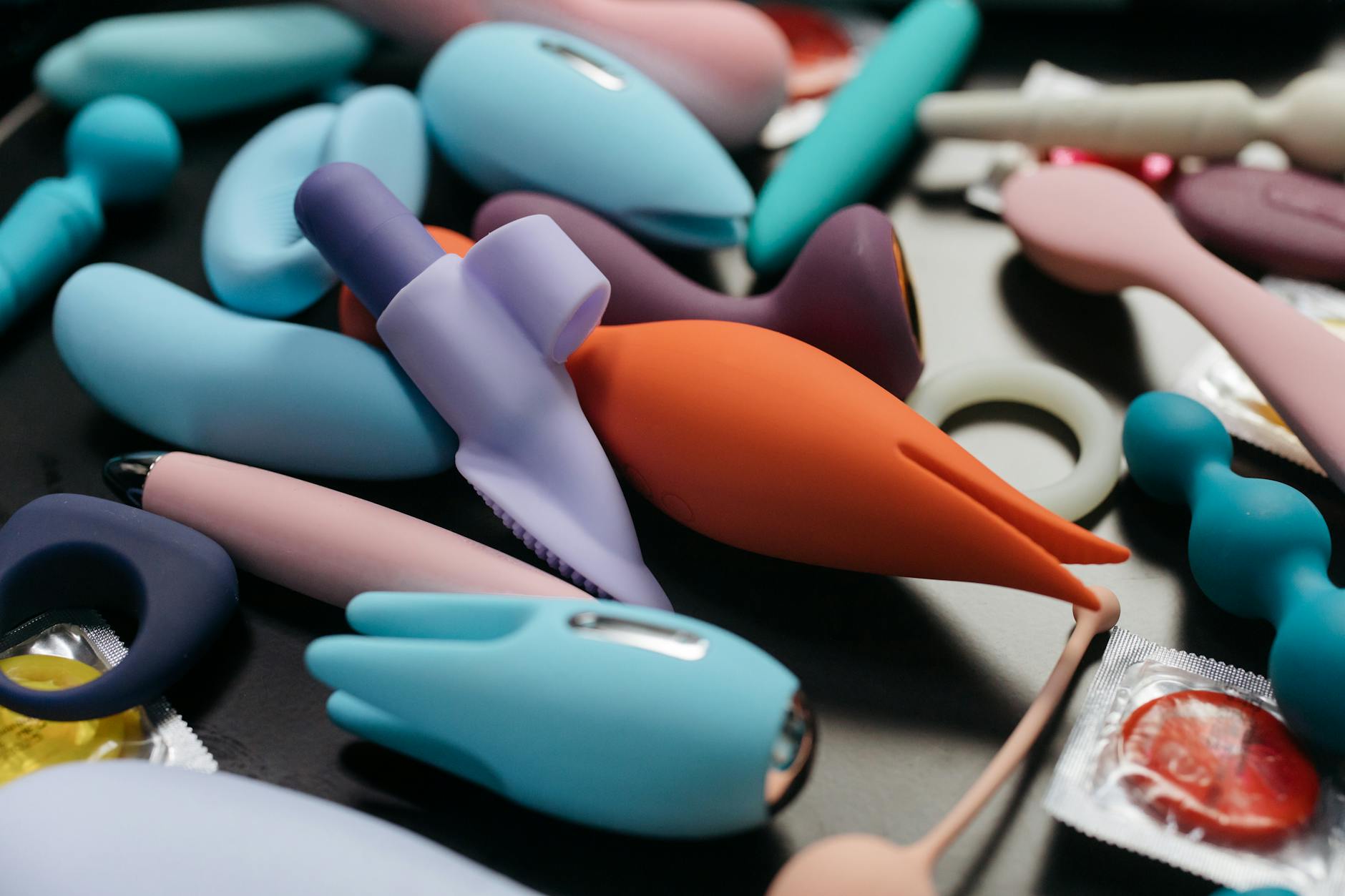
Photo by cottonbro studio on Pexels
The protocol for rebuilding reliable sensation
If your pleasure has become unpredictable, you need to reset your nervous system's responsiveness. This takes about four weeks of consistent practice.
Week 1: Low intensity, frequent sessions.
Use your Lemon vibrator on the lowest suction setting, three to four times a week. Sessions should be short, 10-15 minutes. The goal isn't to reach orgasm. The goal is to wake up your nerve endings. You're teaching your body that stimulation doesn't always need to be intense to feel good.
Your clitoris should feel pleasantly engaged, maybe slightly engorged, but not overstimulated. If you hit orgasm, great. If not, that's also fine. You're training sensation, not chasing outcome.
Week 2: Extend duration, same intensity.
Keep the suction at level 1-2. Extend sessions to 20-25 minutes. Three to four times weekly. You're allowing arousal to build gradually. You should notice that orgasm becomes more predictable by the middle of this week. This is your nervous system remembering its baseline capacity.
Week 3: Introduce pattern variation.
Start experimenting with different suction patterns if your Lemon device offers them. Two to three sessions per week at level 2-3. This prevents your nerve endings from adapting to a single stimulus. Variety is the primary defense against desensitization.
Week 4: Personalized exploration.
You should have reliable orgasms by now. Move to whatever rhythm feels good. Most people find 2-3 sessions per week maintains responsiveness without building tolerance.
Why consistency matters more than intensity
If you're trying to rebuild unreliable pleasure, the instinct is usually to crank up the intensity. That's backwards. High intensity trains your body to need high intensity. You're setting a higher threshold.
Low-to-moderate intensity used consistently trains your body to respond predictably. This is the neuroscience of sensitization (where you get better at feeling pleasure) versus desensitization (where you need more stimulation to feel the same thing).
Consistency also regulates your nervous system more broadly. Regular sexual pleasure activates the parasympathetic nervous system, which reduces overall stress and improves sleep. Better sleep and lower stress mean better blood flow and nerve responsiveness the next day. You're building a positive feedback loop.
What else needs to happen in parallel
A clitoral vibrator is a tool, not a cure-all. If your pleasure is unreliable, you also need to address what's happening outside the bedroom.
Sleep: If you're averaging under six hours, your nervous system can't downregulate properly. Arousal depends on parasympathetic activation, which requires adequate sleep. Aim for 7-8 hours.
Stress management: Chronic stress keeps your body in sympathetic dominance, which is the opposite of what you need for pleasure. You don't need meditation. You need whatever helps you actually feel less rushed. That might be a walk, therapy, a clear schedule, or time with a partner.
Hydration and movement: Dehydration tangibly reduces blood flow. Cardiovascular exercise improves blood flow to the clitoris. Both matter, especially if your pleasure is unreliable.
Mental focus: Pleasure requires attention. If you're using a vibrator while scrolling, you're splitting your nervous system. Put the phone away. Create an environment where you can focus.
Communication with a partner: If you're experiencing inconsistent pleasure with someone else, the issue might also be emotional. Sometimes unreliable orgasms signal that you need more trust, clearer communication, or a different rhythm. A Lemon vibrator helps with sensation, but it doesn't fix relational disconnection.
Photo by FounderTips on Pexels
When to see someone
If after four weeks of consistent use your pleasure still feels unreliable, something else might be at play.
Certain medications, including many antidepressants, can suppress orgasm. If you're on SSRIs or other CNS medications, talk to your prescriber about timing or alternatives. Some people find orgasm returns if they take their medication right after sex instead of before.
If you have a history of hormonal contraception or recent changes in birth control, unreliable pleasure might signal that your hormones need time to restabilize. This typically resolves in 3-6 months, but you might also explore other contraceptive options with your doctor.
If pleasure was reliable and suddenly became unreliable, get a general health checkup. Sometimes unreliable orgasms signal something like low iron, thyroid imbalance, or cardiovascular stress that deserves attention.
If you're in a relationship and your pleasure is inconsistent specifically with a partner but reliable alone, that's emotional or relational, not mechanical. In that case, you might benefit from talking with a couples counselor about what's underneath the disconnection.
The long game
Pleasure shouldn't be a mystery. When you use a tool like a Lemon clitoral vibrator consistently at moderate intensity, you're not chasing an impossible high. You're teaching your nervous system that pleasure is reliable, accessible, and predictable.
That changes everything. When you know your body will cooperate, you relax into it. When you relax, arousal deepens. When arousal deepens, sensation becomes richer. You're not fixing something broken. You're remembering something that was always there.
People also ask
Why do orgasms feel different every time?
Orgasm involves your nervous system, hormones, blood flow, mental state, and physical position all syncing simultaneously. Any one variable shifting changes the whole experience. Some days you're well-rested and aroused quickly. Other days you're tired or distracted and it takes longer. Neither is abnormal. But if the variation is extreme (reliable one week, impossible the next), that signals either nervous system regulation issues or blood flow inconsistency worth addressing.
Can you desensitize yourself to vibrators permanently?
No, but you can train your nerve endings to need increasing intensity. This is reversible. If you stop using a vibrator for 2-3 weeks, normal sensitivity returns. However, if you switch to suction-based clitoral vibrators and rotate intensity and patterns, you're much less likely to build tolerance. Suction engages different nerve pathways than vibration, which is why many people find they don't experience the same desensitization.
Does stress actually affect the ability to orgasm?
Completely. Chronic stress keeps your nervous system in sympathetic dominance (fight-or-flight mode). Orgasm requires parasympathetic activation (rest-and-digest). You literally cannot access the same pleasure responses when you're stressed. This isn't psychological weakness. It's neurobiology. Reducing stress doesn't require major life changes. Sometimes it's just sleep, movement, or clear boundaries around work.
What if I feel numb even on the lowest setting?
Numbing typically signals either severe nervous system dysregulation or blood flow issues. If you feel numb during arousal, start with basics: drink more water, move your body daily, prioritize sleep, and reduce stimulant intake. If numbness persists after two weeks, consider getting a general health screening. Sometimes reduced sensation indicates thyroid issues, anemia, or cardiovascular stress worth investigating with a doctor.
How long until pleasure becomes reliable again?
Most people notice significant improvement in 2-3 weeks of consistent use. Full restoration of predictable, pleasurable sensation typically takes 4-6 weeks. The timeline depends on how long your pleasure was unreliable and what caused it. Stress-related inconsistency usually resolves faster than desensitization from intense traditional vibrators.
Is there a difference between not being able to orgasm and pleasure feeling unreliable?
Yes. If you can't orgasm at all, that's anorgasmia. If you can orgasm sometimes but not predictably, that's inconsistent response. They have different underlying causes. Inconsistent pleasure usually responds well to the protocols above. Complete inability to orgasm might require medical evaluation or work with a sex therapist to identify what's blocking you. Many people find that addressing one issue (like nervous system regulation) solves both problems.
Should I take breaks from using a vibrator?
Not if you're using moderate intensity. The desensitization myth comes from using very high intensity or constant mechanical vibration. When you use suction-based clitoral vibrators at moderate intensity 2-3 times weekly with pattern variation, breaks aren't necessary. However, if you're using a traditional vibrator at high intensity, taking a 1-2 week break every 3-4 months helps reset sensitivity. With Lemon vibrators, the design itself prevents most desensitization, so you don't need to engineer artificial breaks.
Moving forward
Your body is not failing you. Unreliable pleasure is a signal that something needs adjustment, not a permanent condition. Whether that's nervous system regulation, blood flow, or simply using a tool that works with your anatomy instead of against it, the solution exists.
When you rebuild reliable sensation, everything shifts. You feel more confident. You approach intimacy with less anxiety. Your partner, if you have one, senses that confidence and meets you differently.
Start with week one. Low intensity. Frequent sessions. No pressure to reach orgasm. Just consistent, gentle engagement with your own pleasure. After a month, you'll understand what your body actually needs.
If you want to talk through what might be causing unreliable pleasure in your specific situation, get in touch.