Here's the thing about vestibulodynia
Vestibulodynia is localized pain at the entrance to the vagina. It can feel like burning, rawness, or a sharp sting when anything touches the tissue there. It's not in your head, it's not an infection you can't shake, and it's not something you have to accept as permanent. What it is: a real neurological condition that changes how nerve endings in the vestibule (the area between the inner and outer labia) perceive pressure and touch.
For years, the medical world treated vestibulodynia like a problem that made sex impossible. That's only half true. Penetrative sex might feel difficult or painful. But clitoral pleasure, which happens at the clitoris itself, is often totally accessible. The challenge is accessing it without triggering pain in the sensitive vestibular tissue below.
This is where lemon clitoral vibrators and air-suction toys become genuinely useful.
Why air-suction lemon vibrators feel different
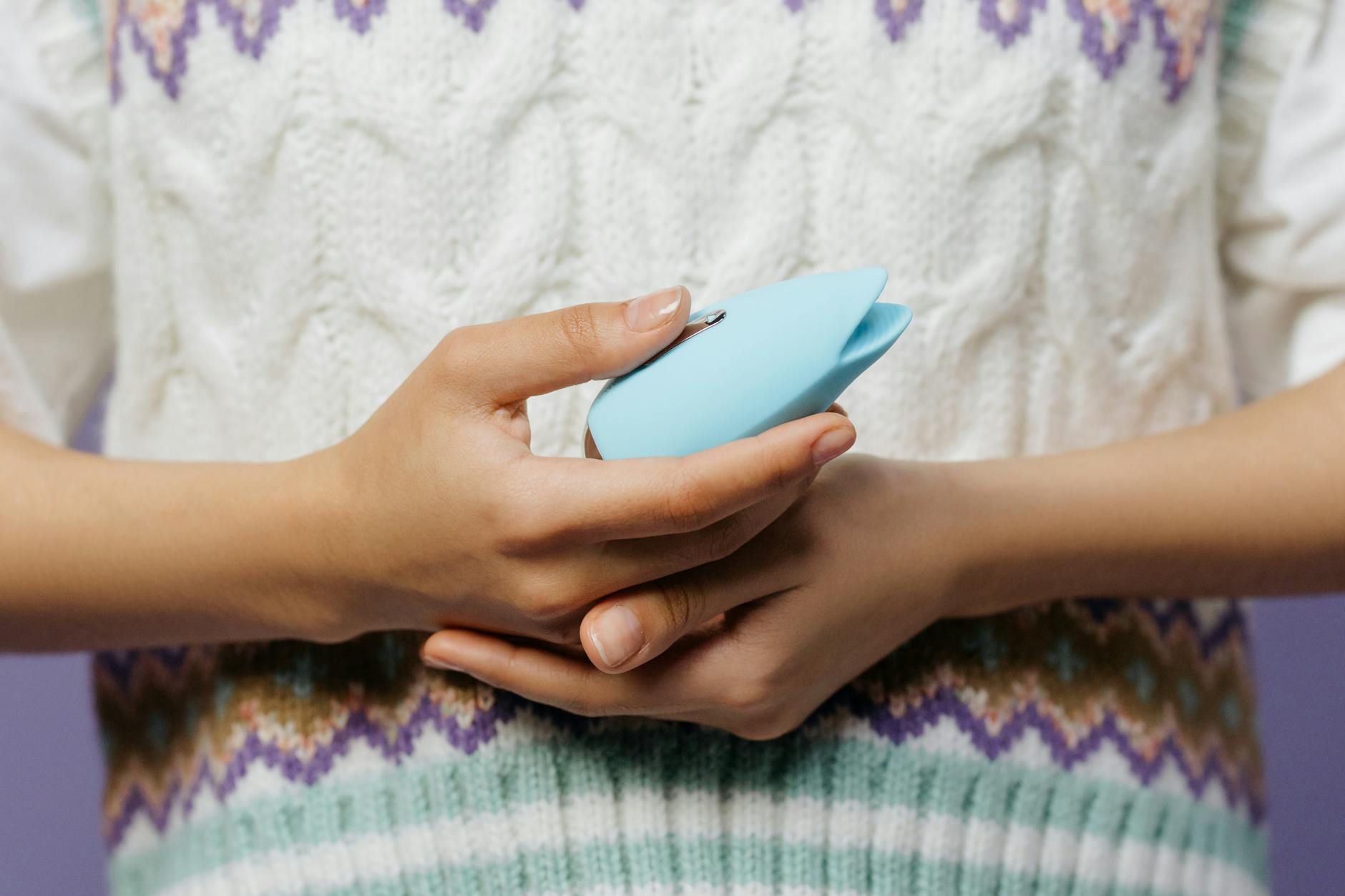
Most traditional vibrators rely on direct friction against your vulva. For someone with vestibulodynia, this friction can feel overwhelming on sensitized tissue. Air-suction toys like the Lem work through a different mechanism: they create a gentle suction and release pattern that stimulates the clitoris without the same mechanical grinding motion.
The Lem's air-pulse technology gives you three advantages when you have vestibulodynia. First, the sensation is concentrated on the clitoral glans itself, which sits above the vestibule. Second, the suction creates a bubble of sensation that feels contained, not spreading across your whole vulva. Third, you control the intensity precisely, which matters when your nervous system is already on edge about touch.
Many clients with vestibulodynia tell me that traditional vibrators feel too intense or too scattered. Lemon vibrators give them back a sense of control.
Understanding your pain patterns first
Before you introduce any toy, get specific about your pain geography. Does the vestibular pain happen at the 6 o'clock position (bottom of the opening)? All around the entrance? Only on the left side? Does it flare up randomly or is it constant?
This matters because it tells you what to avoid and what's safe. If your pain is concentrated in one area, you can position the Lem or other clitoral vibrators away from that spot. If it's unpredictable, you'll want to start with sessions when you're pain-free and track whether certain activities trigger flares.
Keep a simple log: date, activity, pain level (1-10), what you used, and how you felt the next day. Vestibulodynia can have inflammatory cycles. If you notice that using the Lem on a certain day causes pain the next morning, that's useful information. It might mean you need more rest between sessions, or a different intensity level.
How to start safely with a lemon clitoral vibrator
First, make sure you're actually aroused. This is non-negotiable. Arousal increases blood flow to your vulva and makes tissue more resilient. Spend 10-15 minutes on foreplay, reading something that turns you on, or just thinking about what appeals to you. If you're partnered, this might mean extra time with your partner. If you're solo, take the time you need.
Second, use plenty of lubricant. Water-based lubrication is your friend here because it won't degrade silicone and it reduces friction without adding pressure. Apply it generously to the Lem itself and to your vulva. The goal is smooth, effortless contact.
Third, start on the lowest intensity setting. With the Lem, that's usually pattern 1. Position it directly on your clitoris, not on the vestibule. The clitoris is that small bump above and slightly forward of where your opening begins. If you're not sure, explore gently with your fingers first to find it.
Fourth, check in with your body. How does this sensation feel? If it's pleasant, stay there for a few seconds. If it feels numb or distant, you might need to move slightly to find the right angle. If it triggers pain, stop immediately. This is not about pushing through.
Managing sensation and rebuilding tolerance
Vestibulodynia is partly a nervous system issue. Your vestibular nerves have learned to interpret touch as threat, so they fire pain signals. You can't unlearn this overnight, but you can gently retrain your nervous system through positive experiences.
This means keeping pleasure sessions short and successful rather than long and intense. A five-minute session with the Lem that feels good creates a different neurological impression than a 20-minute session where you're managing discomfort. Your brain files these experiences as data: "Touch in this context is safe. This context can expand."
If you find that using the Lem for two minutes feels great but five minutes starts to feel raw, stop at three minutes. Consistency beats intensity. Over weeks, you'll likely notice that three minutes feels easy, so you can move to four. This is working.
If you're having a flare day where everything hurts, don't use the Lem. This isn't failure. It's listening to your body. Some days vestibulodynia gets worse due to stress, hormones, or inflammation. Those days, you rest.
When to explore beyond clitoral stimulation
Once you're comfortable with the Lem and having pain-free pleasure sessions regularly, you might want to experiment with other sensations. Some people with vestibulodynia find that gentle internal massage (nowhere near the vestibular tissue) feels good once arousal is high. Others stick with clitoral pleasure and find that's enough.
If you're partnered and interested in penetrative sex again, this is worth discussing with a pelvic floor physical therapist. Vestibulodynia often involves pelvic floor tension. A PT can help release that tension and coordinate with your pleasure work. The combination of PT, your own exploration with the Lem, and communication with your partner creates the best chance of expanding what feels possible.
Don't rush this. Vestibulodynia took time to develop and it takes time to shift. You're not trying to "fix" yourself. You're building a relationship with your body where pleasure feels accessible again.
The role of stress and emotional factors
Vestibulodynia is a real physical condition, and it's also sensitive to your emotional state. Anxiety about pain often makes pain worse. If you approach a pleasure session worried that it will hurt, your nervous system tightens in anticipation. That tension can trigger the very pain you're afraid of.
This is why I recommend starting these sessions when you feel relatively calm and safe. Maybe that's evening after a warm bath. Maybe it's a weekend morning when you're not rushing. Create the conditions where your nervous system can relax. For many people, this might mean starting with your partner present but not touching you, so you feel supported but not pressured.
If anxiety about pain is significant, talk to a therapist or counselor who specializes in pain and sexuality. This isn't weakness. It's using the right tool for the right problem. Your nervous system learned to protect you by signaling pain. A specialist can help you learn that pleasure is safe.
Talking with your partner about this
If you're in a relationship, your partner deserves to understand what vestibulodynia is and what it means for sex. Here's the conversation starter: "My vulva is sensitive in a specific area. It's not about us. Pleasure is still totally possible, and I'm learning how to access it in ways that work for my body."
If they're willing to explore, let them know exactly what helps. Maybe that's "I'd love if you'd give me space to use the Lem on my own for a while, and then we can figure out how to include you." Maybe it's "I'd like you in the room, but not touching me yet." Whatever you need.
If your partner responds with impatience or dismissal, that's a separate conversation. Vestibulodynia is real. Your pleasure matters. A partner who makes you feel bad about your body's needs isn't supporting you.
When to see a specialist
If you've been using a lemon clitoral vibrator consistently for four weeks and you're not noticing any improvement in your pain levels, it's time to see a gynecologist or urogynecologist. Vestibulodynia is treatable, and sometimes that treatment includes topical medications, injections, or physical therapy alongside your own pleasure work.
The Lem is not a replacement for medical care. It's a tool that works best alongside professional support.
Frequently asked questions
Can I use a lemon vibrator if vestibulodynia is severe?
Yes, but with modifications. Start at the absolute lowest intensity. Many people with severe vestibulodynia find that they need very gentle stimulation initially. If even pattern 1 feels too intense, try using the Lem through a thin piece of fabric first. Gradually reduce the barrier as tolerance builds. Severe vestibulodynia often benefits from pelvic floor physical therapy alongside pleasure exploration.
Will using a lemon clitoral vibrator make vestibulodynia worse?
Not if you listen to your body's signals. The key is stopping before pain appears, not pushing through it. Pain signals mean your nervous system is threatened. Pleasure signals mean you're safe. If you experience pain during or after a session, take a break and return when you're ready. Inconsistent use is better than pushing through discomfort.
How is vestibulodynia different from other vulvar pain conditions?
Vestibulodynia is pain localized to the vestibule, the area at the entrance to the vagina. Other conditions like vulvodynia affect the entire vulva, while vaginismus involves involuntary muscle tension during penetration. Understanding which condition you have helps guide treatment. If you're unsure, ask your doctor for clarity.
Can lemon sexual toys help if I also have anxiety about touch?
Yes, but gently. Anxiety about pain and pain itself feed each other. Using the Lem in a low-pressure context, on your own terms, often helps rebuild trust in your body. Many people find that successful pleasure sessions reduce anxiety over time. If anxiety is severe, pairing toy use with therapy or counseling creates the best results.
What if my partner wants to use the lemon vibrator on me but I'm nervous?
Start with you using it on yourself first. Once you know what feels good, you can guide your partner. "I like it at this intensity" and "I want to control the speed" are reasonable requests. Some people with vestibulodynia eventually enjoy having their partner use the Lem on them. Others prefer to keep that control. Both are fine.
Does vestibulodynia get better, or is it something I'll always have?
Vestibulodynia is treatable. Many people experience significant improvement or complete resolution with the right combination of physical therapy, medical care, and pleasure-positive exploration. Recovery isn't linear, and some people experience flares during stressful periods. But pain-free sex is possible.
You're not alone in this
Vestibulodynia affects roughly one in 14 people with vulvas at some point in their lives. It's more common than you think, and you're not broken for having it. Using a lemon vibrator isn't giving up on "normal" sex. It's meeting your body where it actually is and building pleasure from there. That's wisdom, not compromise.
If you'd like to explore this further or discuss your specific situation, reach out to us. We're here to support your journey back to pleasure.