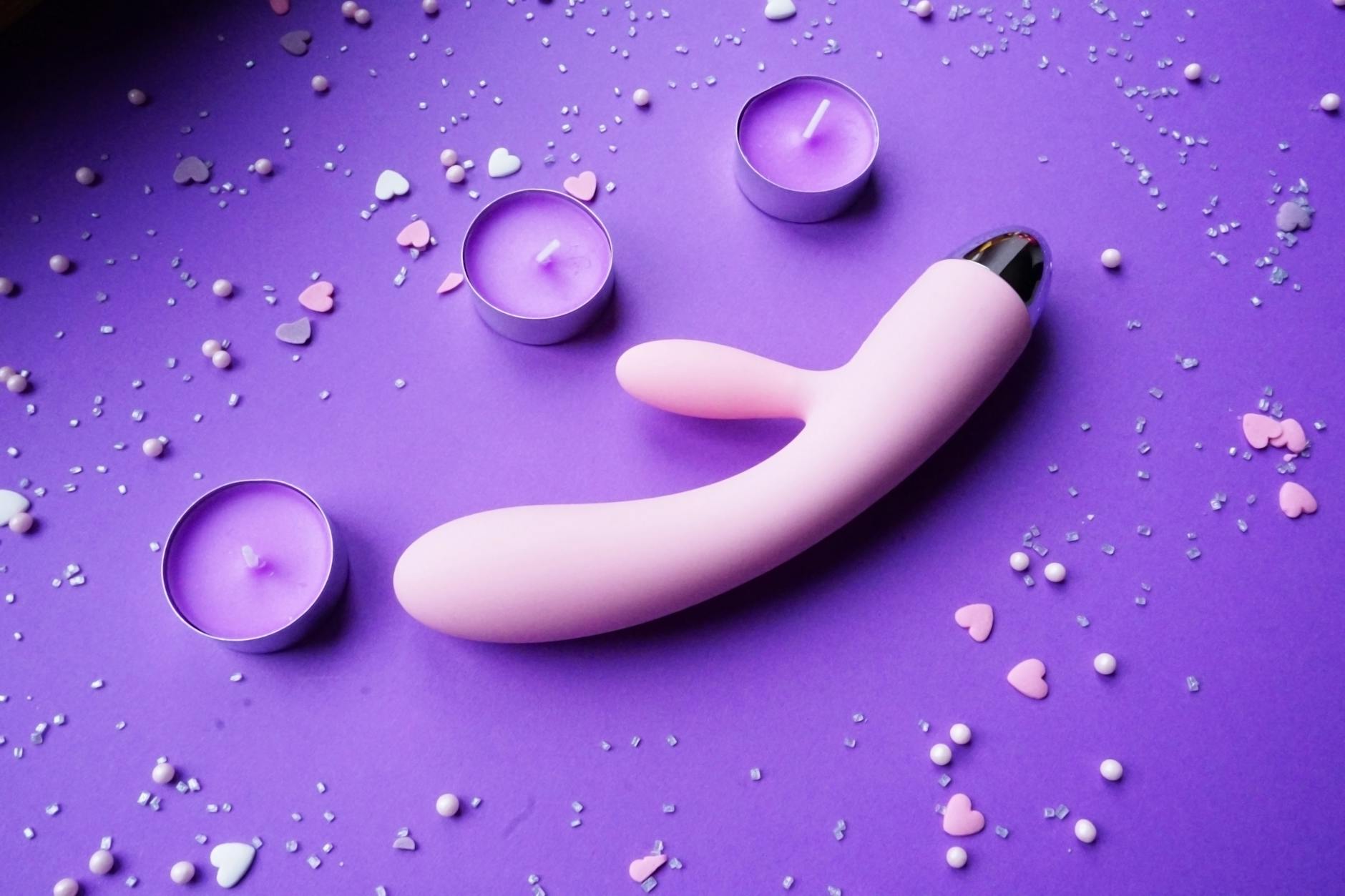
How to Use a Lemon Vibrator for Better Results With Anxiety
Let's be real. Anxiety and arousal don't mix. When your nervous system is in fight-or-flight mode, blood doesn't flow where it needs to, sensation dulls, and orgasm feels like trying to light a match underwater. You're not broken. Your body is doing exactly what it's designed to do: protect you.
The problem is that anxiety doesn't always announce itself. It whispers. It disguises itself as distraction, fatigue, or numbness. You show up for pleasure and find yourself somewhere else entirely, watching yourself from outside your body, waiting for something that won't come.
Here's what I tell clients in my practice: lemon clitoral vibrators work differently than traditional vibrators precisely because they calm the nervous system instead of overwhelming it. The suction sensation creates a grounding effect that many people find deeply settling. Combined with intentional breathing and a few strategic shifts in how you approach solo or partnered pleasure, a lemon vibrator becomes a tool for nervous system regulation, not just stimulation.
Why anxiety tanks arousal in the first place
This isn't psychological weakness. It's neurology. When you're anxious, your sympathetic nervous system (the gas pedal) is pressed. Your body diverts blood to your limbs for fight-or-flight and away from your genitals. Cortisol and adrenaline spike. Muscle tension rises. The parasympathetic nervous system (the brake pedal) that you need for arousal gets pushed to the side.
Arousal requires what therapists call "involuntary surrender." Your brain has to let go of control. When anxiety is present, your brain is in control mode, scanning for threats. That's the mismatch. No amount of willpower fixes it because willpower is sympathetic activation. You're trying to solve a nervous system problem with effort.
Adding a lemon vibrator into this situation might seem counterintuitive. Isn't more stimulation going to amp you up further? No. Here's why: the rhythmic, consistent suction pattern of lemon clitoral vibrators activates something called the "relaxation response." Your nervous system recognizes the pattern as safe, repetitive, and predictable. That predictability is calming. The suction builds sensation gradually instead of shocking your system with intense vibration that can feel jarring to an already-activated nervous system.
Setting up your environment first
You can't use a lemon vibrator to calm your nervous system if your environment is still sending threat signals to your brain. This part matters as much as the device itself.
Start small. You need: a space where you won't be interrupted for 20 minutes, a temperature that feels comfortable (cool rooms activate sympathetic response, warm ones don't), and ideally something soft beneath you. Sheets, a robe, a blanket. Texture matters to your sensory system. If you're with a partner, they should be in the room but not performing. They can be reading, present but not watching, which removes the pressure of being observed.
Dim the lights or close your eyes. Sound matters too. Some people need silence. Others need instrumental music or white noise. Anxiety often comes with hypervigilance to sound, so choose something that feels neutral or genuinely pleasant. Avoid anything with unpredictable sounds.
The goal here isn't sexy. It's safe.
The breathing pattern that matters
Before you even pick up your lemon vibrator, your breath is the first tool. Anxiety lives in shallow breathing. Fight-or-flight uses chest breathing. Calm uses belly breathing.
Spend three minutes on this: inhale through your nose for a count of four, feeling your belly expand. Hold for a count of four. Exhale through your mouth for a count of six. The longer exhale is crucial. It tells your vagus nerve to activate the parasympathetic response.
Do this before you use the lemon vibrator. Do it while you use the lemon vibrator. If you notice your breathing getting shallower or faster, pause the vibrator and return to breathing. You're not failing. You're recalibrating.
How to actually use the lemon vibrator when anxiety is present
Start on the lowest setting. I mean the genuinely lowest. Pattern 1 on the Lem. Many people skip this step because they're conditioned to think intensity equals pleasure. When anxiety is in the room, intensity is a distraction, not a feature.
Apply the suction cup to your clitoris gently. You're not trying to create sensation yet. You're creating contact. Stay here for 30 seconds without any movement. Just pressure, just presence. Breathe.
Then begin tiny movements. Small circles, gentle rocking side to side. Nothing aggressive. The lemon vibrator does the work. Your body's job is to notice. That's it. Notice temperature, texture, rhythm. This is called "somatic awareness" and it's the opposite of dissociation. You're anchoring yourself in physical sensation in a way that feels safe.
Stay on pattern 1 until your nervous system settles. For some people this takes two minutes. For others it takes eight. There's no timeline. You're waiting for a subtle shift: your shoulders dropping, your jaw unclenching, your breathing becoming easier.
Only then, if you want to, move to pattern 2. The lemon vibrator's suction-based design means each pattern feels like a meaningful shift, not a desperate scramble for more. This is intentional design. It lets your nervous system keep pace with sensation instead of chasing it.
Building sensation gradually
The mistake most people make is treating pleasure like it's a destination. Get to orgasm, mission accomplished. When anxiety is present, that goal-oriented approach backfires. The pressure to climax activates sympathetic response. You get stuck.
Instead, think of pleasure as states of nervous system regulation. Pattern 1 on your lemon clitoral vibrator is pleasurable because it's calm. Pattern 3 is different, more energized, still pleasurable. You're not climbing a ladder toward orgasm. You're exploring different rooms in the same house.
If you reach a point where you feel your anxiety creeping back in, that's information. That's your nervous system saying the intensity has gotten ahead of your capacity. Move back to pattern 2. Slow down your hip movements. Deepen your breathing. Stay here until you're settled again. You're teaching your body that pleasure doesn't require panic.
Orgasm may or may not happen. That's genuinely okay. The goal is nervous system regulation, which is happening regardless. Many people report that when they stop chasing orgasm and start chasing nervous system calm, orgasm arrives on its own. Your body knows how to do this. You're just getting out of your own way.
When to involve a partner
If you're working with a partner, lemon vibrators actually change the dynamic of anxiety in useful ways. The device isn't them. It's not about their performance or your response to their effort. It's about sensation and system regulation.
Have them read about this beforehand so they understand that if you slow down or pause, it's not rejection. It's care. They can hold your hand. They can breathe with you. They can watch without judgment. The lemon vibrator creates space for them to be present without being in control of the outcome. Many couples find this actually deepens connection because the pressure lifts.
You might also use <a href="/blog/how-to-introduce-lemon-vibrators-to-a-long-term-partner">introductions to lemon vibrators as a conversation starter about anxiety itself</a>. Bringing a tool into the bedroom often opens the door to deeper conversation about what's been blocking pleasure.
What changes over time
I tell clients this: the first time you use a lemon vibrator intentionally with anxiety awareness, you're teaching your nervous system a new pattern. It doesn't magically rewire on day one. But repetition matters. Your brain is plastic. Each time you create safety + sensation, you're building a new neural pathway.
Over weeks, many people notice they can move through the intensity settings faster. They notice anxiety doesn't show up as loudly. They notice orgasms becoming more accessible. These aren't separate wins. They're all the same thing: a nervous system learning that pleasure is safe.
Some people find that <a href="/blog/why-lemon-vibrators-feel-more-intense-during-different-phases">understanding your cycle helps too</a>, because anxiety often peaks at certain times of the month. Knowing when you're naturally more vulnerable helps you plan intentional pleasure practice during your calmer phases first.
When to bring in professional support
If your anxiety is severe enough that even breath work and a calm environment don't create any shift, or if you're experiencing complete numbness or dissociation, that's worth talking to a therapist about. A lemon vibrator is a tool for nervous system regulation, not a treatment for clinical anxiety. They work beautifully together, but they're not a replacement.
Your nervous system may need professional support to downregulate. That's not a failure of this method. It's just knowing when a tool needs accompaniment.
The practice itself becomes the benefit
Here's what surprised my clients most: using a lemon vibrator intentionally often shifts their relationship to their body entirely. You show up, you breathe, you notice sensation without chasing it. That skill transfers. It changes how you eat, how you move, how you handle other situations where anxiety shows up.
Pleasure becomes something you practice rather than something you perform. And paradoxically, when pleasure becomes practice instead of performance, it deepens. Your nervous system stops treating it as a threat to manage and starts treating it as a resource to enjoy.
People also ask
Can a lemon vibrator actually help with anxiety or is that just placebo?
It's real, not placebo. The rhythmic suction pattern activates parasympathetic response. Your vagus nerve recognizes the predictable pattern as safe. Blood flow increases to your genitals, which signals to your brain that you're not in danger. That's neurology, not imagination. Add intentional breathing and nervous system awareness, and you're creating measurable shifts in your physiology. The lemon clitoral vibrator is the tool, but the practice is what heals.
How long does it take before a lemon vibrator helps with anxiety during sex?
Many people notice a difference in their first session if they approach it intentionally. They feel calmer, more present. But meaningful nervous system rewiring takes weeks of consistent practice. Think of it like exercise. One session helps. Regular practice changes your baseline. Use your lemon vibrator intentionally twice a week for a month and notice what shifts. Most people see significant differences by week three or four.
What if I feel more anxious when I use my lemon vibrator?
That sometimes means your environment still feels unsafe, or your nervous system needs more time to recognize the pattern as calming. Go slower. Use pattern 1 longer. Extend your breathing practice before you even pick up the device. Also check: Are you being interrupted? Is there background noise that triggers hypervigilance? Is the temperature uncomfortable? Environmental factors matter as much as the vibrator itself. Adjust those first, then try again.
Can I use a lemon vibrator for anxiety relief even if I don't want an orgasm?
Absolutely. Many people use lemon vibrators purely for nervous system regulation. The suction pattern creates a calm, grounded state that feels good entirely on its own. No orgasm required. In fact, releasing the goal of climax often makes the calming effect stronger because you're not chasing anything. You're just experiencing.
Do lemon sexual toys work differently than traditional vibrators for anxiety?
Yes. Traditional vibration can feel jarring to an already-activated nervous system. Lemon suction vibrators build sensation gradually and create a rhythmic predictability that most people find deeply settling. The difference isn't huge, but for people with anxiety it's meaningful. The suction feels like pressure and presence rather than buzzing intensity. That distinction matters.
Should I combine my lemon vibrator with medication or therapy for anxiety?
Yes. A lemon vibrator is a nervous system tool, not a treatment. If you're working with a therapist or taking medication for anxiety, this practice complements that work beautifully. Tell your therapist you're working with somatic awareness and nervous system regulation through intentional pleasure practice. Most will encourage it. You're not replacing clinical support. You're adding a practice that reinforces what you're already learning.
Start here
If anxiety has been blocking your pleasure, you don't need a different body. You need a different approach. Set aside 20 minutes this week when you won't be interrupted. Breathe. Move slowly. Use your lemon vibrator on the lowest setting and notice what happens when you're not trying to arrive anywhere. Your nervous system knows how to calm down. Sometimes it just needs permission and a little support to remember.