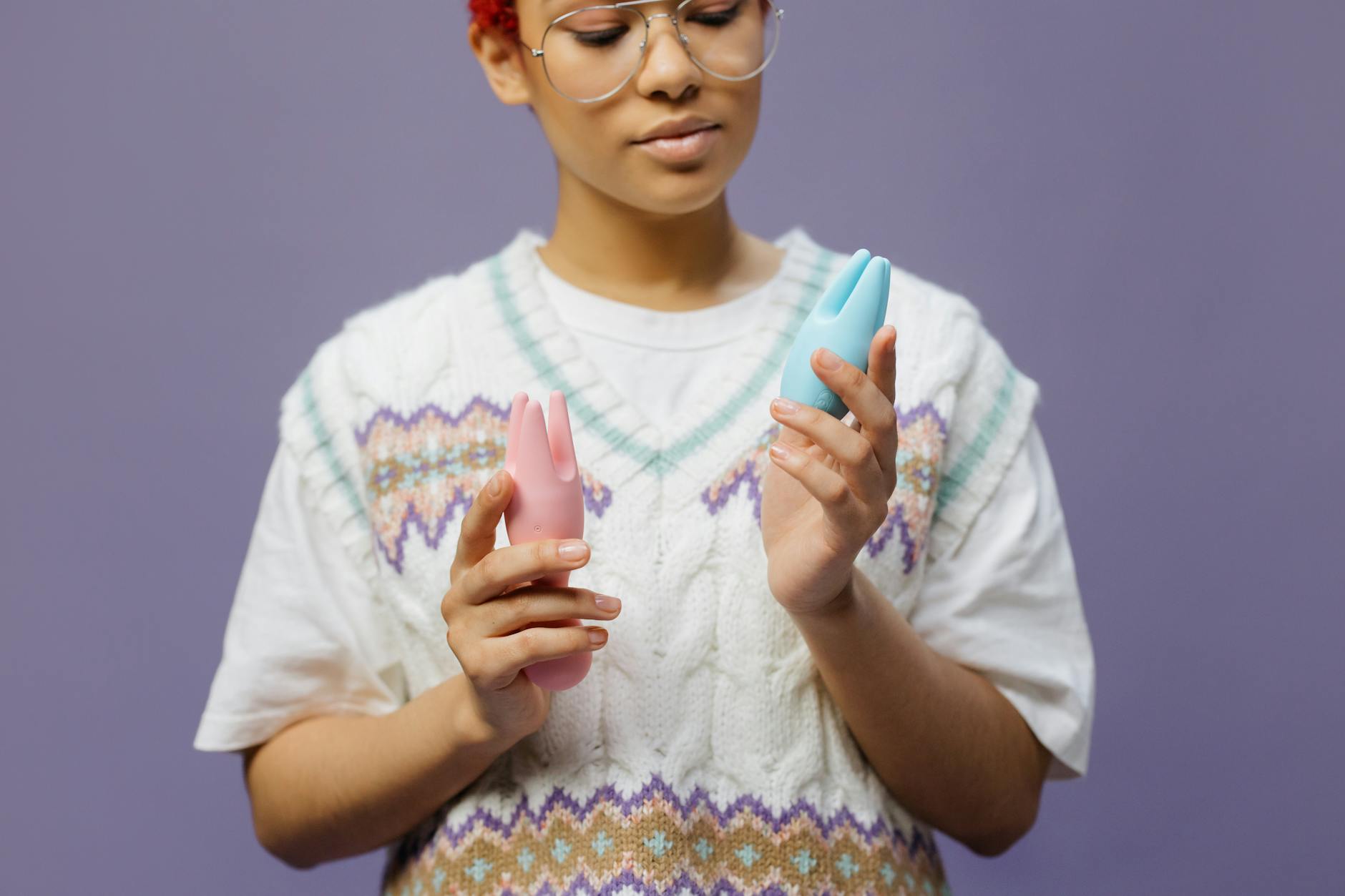
Let's start with the thing nobody says out loud
Painful sex is common. Really common. And the moment it happens, most people assume they have to choose between two impossible options: push through it or stop having sex altogether. Both are wrong.
Here's what I see in my practice constantly: painful penetration often isn't about something being broken. It's a signal. And once you understand what it's signaling, you can work around it, fix it, or sidestep it entirely. That's where a lemon clitoral vibrator becomes genuinely transformative. It's not a workaround. It's a doorway to pleasure that doesn't depend on penetration at all.
What painful penetration actually is
Dyspareunia (the clinical term for painful intercourse) can come from dozens of causes. Endometriosis, pelvic floor tension, vaginal atrophy, infections, scar tissue, hormonal shifts, psychological tension, or sometimes just mismatched anatomy with a particular partner. The specifics matter for treatment, but here's what matters for pleasure right now: you don't have to wait for a diagnosis to reclaim your sex life.
Many people discover that their pain is primarily tied to penetration specifically. The clitoris doesn't have the same tension patterns. The tissue responds differently. And when you remove the expectation of penetration, something shifts psychologically too. The pressure releases. The anxiety that builds around "will this hurt" disappears. And that matters more than you'd think.
Why clitoral vibrators bypass the problem entirely
The clitoris has about 8,000 nerve endings and a completely separate physiological response system from the vagina. When you're dealing with pain in penetrative sex, the clitoris is often untouched. It's waiting. And a device like the lemon vibrator, which uses gentle suction stimulation rather than direct vibration, creates a sensation that feels generous and intense without the trauma pattern your body has learned to expect.
You're not working around pain. You're activating a completely different pleasure circuit. That distinction matters because it means you're not managing discomfort. You're discovering something your body might have been missing the whole time.
The setup that actually helps
Three things change everything when you're managing painful penetration.
First, remove the penetration expectation entirely. Not forever necessarily. But during this phase of your life, sex doesn't have to include penetration. Your pleasure is not contingent on it. This alone shifts the entire dynamic with a partner. You're not the problem person who "can't" do the thing. You're the person exploring what feels amazing. Different language, completely different emotional experience.
Second, give yourself permission to go slower. Arousal takes time. Psychological safety takes time. With painful penetration in your history, your nervous system has learned to brace. A lemon vibrator works best when you're genuinely relaxed. That means fifteen to twenty minutes of foreplay, touching, breathing, talking. Not rushing. When you finally bring the vibrator in, your body knows it's not about rushing to penetration. It's about building something that feels good.
Third, use lubrication even with external stimulation. I know it sounds obvious, but people skip this because there's no penetration. Water-based lube makes the suction sensation of a lem vibrator feel smoother and more integrated. It changes the entire quality of the experience.
How to introduce the vibrator without performance pressure
Let's talk about the actual mechanics. If you're using the lemon clitoral vibrator solo, start at the lowest setting. Position it directly over the clitoris, where the suction creates that signature cup-and-release sensation. You can experiment with angles. Some people prefer it centered. Others like it slightly off to one side where the tissue is more responsive.
Here's what makes this different from penetrative sex: there's no wrong angle. There's no "I'm doing this wrong" feeling. Your body will tell you what feels good, and the feedback is immediate and clear. Move the vibrator slightly. Notice what changes. That kind of exploration is impossible when you're managing pain.
If you're with a partner, the conversation is simpler than you'd think: "I want to explore something that feels really good and doesn't involve penetration right now. I want your help." That's it. Partners generally understand quickly. They get to be involved. The pressure to perform a specific act vanishes. Everyone relaxes.
What happens in your nervous system
Painful sex creates a protective response. Your pelvic floor tightens. Your mind starts anticipating pain. Blood flow constricts. The whole system goes defensive. That defensive pattern doesn't always switch off immediately when the pain source is removed. It stays in your nervous system like muscle memory.
A lemon vibrator short-circuits this. The sensation is so distinctly pleasurable and so divorced from penetration that your nervous system recognizes safety. This is different from before. Nothing is being forced. The sensation builds gradually. You're in control of the intensity. Every parameter is about pleasure, not accommodation.
Over time, this rewires your sexual response. Not because you're healing the physical pain (though you might be, if you're also working with a provider). But because you're building a new association. Sex can feel amazing. Your body can have pleasure that doesn't come with dread.
When to bring a provider into this
If the pain is sharp, acute, or happens with any type of stimulation, see a gynecologist trained in pelvic pain. Endometriosis, vulvodynia, and pelvic floor dysfunction are all very real and very treatable. A pelvic floor physical therapist can often make a huge difference. You don't have to choose between getting help and reclaiming pleasure right now. You can do both.
If it's mild or inconsistent, or clearly tied to penetration specifically, you have room to explore on your own while you figure out the bigger picture. A lemon vibrator gives you a way to have pleasure and sensitivity while you're sorting out the medical side.
The psychological shift that comes with this
Here's what I notice: people who've been dealing with painful sex often feel like their body has failed them. The vibrator becomes evidence to the contrary. Your body can respond. It can have intense pleasure. It just needs the right conditions.
That shift from "my body is broken" to "my body knows what it likes" is profound. And it changes how you approach partners too. You're not approaching sex from scarcity and fear. You're approaching it from abundance. "Here's what feels amazing. Here's how we can build on that." That's a completely different conversation.
The lemon clitoral vibrator isn't a fix. It's a reset button. It gives you access to pleasure on your terms, in your timeline, without the baggage that painful sex creates.
FAQ: Questions people actually ask
Can I use a lemon vibrator if penetration hurts but I still want to try penetration eventually?
Absolutely. The vibrator helps you understand what pleasure feels like without pain. It builds confidence. And it can be part of partnered sex too. Many people use a lemon vibrator during foreplay or during partnered sex as the primary source of orgasm, sidestepping penetration entirely. You're not training your body to expect pain. You're showing it what pleasure is supposed to feel like.
Will using a vibrator instead of penetration hurt my relationship?
Not if you communicate. Most partners are relieved. The pressure to perform a specific act vanishes. You get pleasure. They get to participate without the guilt of causing pain. It usually makes things better, not worse. The weird thing is the shame people carry about it, not the reality of the situation.
How long before pain improves if I use a lemon vibrator?
That depends on the cause of the pain. If it's tension-based, you might feel relief quickly. If it's hormonal or structural, you need medical support alongside pleasure exploration. But the vibrator helps either way because it separates "can I have pleasure" from "is the pain resolved." Those are different questions with different timelines.
What if the vibrator itself feels intense or uncomfortable?
Start with the lowest setting and build slowly. Suction is very different from vibration, and some people find it takes adjustment. Position it slightly off-center. Use more lubrication. Lower intensity. Your body will tell you what works. There's zero reason to power through discomfort. The whole point is that pleasure should feel good.
Can painful penetration be psychological instead of physical?
Yes. Pain anxiety is real. Fear causes pelvic floor tension. Tension causes pain. It becomes a cycle. A vibrator actually helps break this cycle because the sensation is so clearly pleasurable and so clearly safe that the anxiety part starts to release. You're building evidence that sex can feel good, which interrupts the protective pattern.
Should I use a lemon vibrator solo or with a partner first?
Whichever feels safer. Solo gives you privacy to explore. With a partner gives you support. Neither is wrong. I usually suggest solo first because you get to learn what you like without managing anyone else's feelings. Then you bring a partner into what you've learned. That feels more confident.
The actual endgame
The goal isn't to use a lemon vibrator forever (though you might want to, because they feel amazing). The goal is to reclaim your pleasure and your sense of agency around your own body. Pain can make sex feel like something that happens to you. A vibrator makes it something you choose, control, and enjoy. That's the shift. Everything else follows from there.