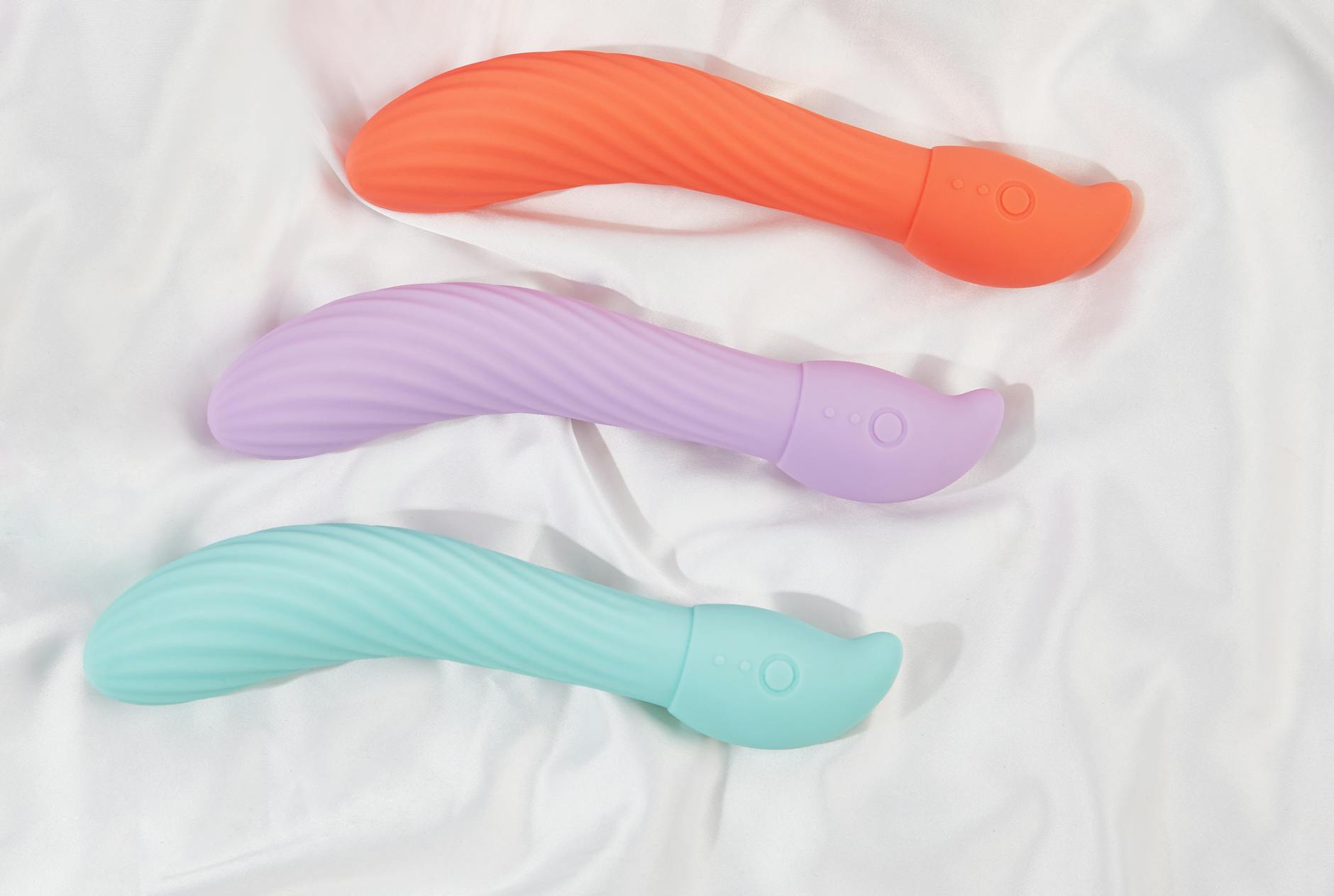
Here's what nobody tells you about stress and sex
When your life implodes, sex is the first thing to go. Not because you don't love your partner. Because your nervous system is in survival mode, and desire feels like a luxury you can't afford.
A job termination, a cross-country move, a health diagnosis, or the death of a parent doesn't just affect your mood. It reshapes how your body responds to touch, how quickly arousal builds, and how present you can be during intimacy. The science is straightforward. Chronic stress floods your system with cortisol, which suppresses testosterone and dampens the neural pathways that create pleasure. Your body is doing exactly what it should do when survival is the priority.
But here's the part that matters for your relationship: the longer sex stays off the table, the more disconnection hardens into habit. After three months without physical intimacy, reconnecting feels awkward. After six months, it feels like starting over. And most couples don't talk about this. They just wait, quietly disappointed, for desire to return on its own.
It doesn't always.
Why lemon vibrators matter more during stress than you'd think
A lemon clitoral vibrator isn't a fix for the underlying stress. But it's a workaround that actually works. Here's why.
Traditional sex during stress requires a lot from your nervous system. You need to be present, responsive, and mentally available. If you're grieving or anxious, that's a tall order. A lemon suction vibrator like the Lem works differently. It doesn't require the same cognitive load. You can use it while your mind is partially elsewhere, and it still delivers genuine sensation and arousal.
Second, lemon vibrators bypass the friction problem that shows up under stress. When cortisol is high, arousal can feel stuck. Your body isn't responding the way it used to. A lem vibrator works through suction and gentle pulse patterns, not friction. It stimulates the clitoral nerves in a way that feels gentler than manual stimulation but often more effective. Many people find that their body responds to a lemon vibrator even when it's shutting down to other touch.
Third, and this matters for couples: using a lemon vibrator together gives you a way to be intimate without the pressure of conventional sex. You're not performing or forcing arousal that isn't there. You're exploring sensation together in a lower-stakes way.
The conversation you need to have before bringing a vibrator into this
Introducing a lemon vibrator into a stressed relationship requires one conversation first, and most couples skip it.
Your partner needs to hear this: a vibrator isn't a replacement for you. It's a bridge. It's a tool to help rebuild sensation and pleasure during a time when stress has made that harder. The goal isn't to bypass physical connection with your partner. It's to make physical connection feel accessible again.
If your partner feels threatened by the idea, that's usually not about the vibrator. It's about feeling less desired, less capable, or afraid that you're pulling away emotionally as well as physically. Name that fear directly. Say something like, "I love you and I want us to be close again. My body is stuck right now because of everything that's happening, and this helps me feel pleasure again. I want that to be with you."
Then listen. Ask your partner what they're worried about. Make space for that anxiety. Most of the time, once the fear is named, the resistance softens.
How to actually use a lemon vibrator together when stress is high
Start small. You're not trying to have a full sexual experience. You're trying to rebuild touch and sensation.
Set aside 20 to 30 minutes with no agenda. No pressure for orgasm, no goal of "completing" sex. Your partner can touch you while you use the lemon vibrator, or they can simply be present. The point is proximity and attention without performance.
Begin on the lowest setting. If you're using a Lem, start on pattern one. Your nervous system is already dysregulated from stress. You don't need intensity right now. You need gentle, consistent sensation that your body can actually process.
Let arousal build slowly. Under stress, arousal doesn't arrive on schedule. It meanders. Budget 10 to 15 minutes just to warm up. Your partner can kiss you, touch your chest, hold your hand. The lemon vibrator is doing the focused work on your clitoris while your partner maintains connection everywhere else. That combination often works better than either sensation alone.
If you orgasm, great. If you don't, that's also fine. The win here is that you reconnected. You felt pleasure in your body again. You remembered that intimacy is possible even when life is hard.
Why consistency matters more than intensity right now
One session won't fix what stress has broken. But three or four sessions a week, even brief ones, can shift the nervous system over two to three weeks.
Your body needs to remember that touch and pleasure are safe, even when other things feel chaotic. That's a neural re-education, and it requires repetition. It doesn't require perfection. A stressed partner using a lemon clitoral vibrator for 15 minutes twice a week beats a no-pressure plan to have sex when things feel better, because that day never comes on its own.
Set a low bar. Maybe it's every Tuesday and Friday evening for a month. Or Sunday mornings. Pick a rhythm you can actually keep, even when life is messy. Consistency rewires the nervous system faster than intensity.
What to do if pleasure still doesn't return
If after four weeks of consistent time together, arousal still feels completely absent, that's worth mentioning to a therapist or doctor. Sometimes stress-induced desire loss is a sign that something else is happening. Hormonal shifts, depression, medication side effects. A lemon vibrator can help, but it's not a substitute for addressing the underlying issue.
For now, the goal isn't to restore your stress-free sex life. It's to stay connected to your partner and your own body while you both move through a hard season. A lemon vibrator is a practical, effective tool for that. It doesn't require you to be at your best. It works with where you actually are.
FAQ: Couples, stress, and intimacy tools
Will using a vibrator make my partner feel inadequate?
Often that fear is bigger than the reality. Most partners actually feel relieved to have a tool that helps bridge the gap. Frame it as something that helps you feel pleasure again, which benefits both of you. If your partner remains anxious, that's worth a deeper conversation about what they're afraid of. Usually it's not the vibrator itself.
How long should we wait before trying this after a major stressor?
You don't have to wait for stress to completely disappear. You can start exploring this a few weeks in, once the acute crisis has passed a little. If you're still in full crisis mode, give it a month. You need just enough mental space to be present for intimacy, even low-key intimacy.
Can we use a lemon vibrator if we haven't had sex in six months?
Absolutely. In fact, that's a perfect moment to reintroduce touch. A lemon clitoral vibrator requires less coordination and performance than conventional sex. It's actually ideal for reconnecting after a long gap. Just go slow and communicate about what feels good.
What if my partner wants to use a lemon vibrator on themselves, not with me?
That's fine. Not all couples are ready to explore toys together, and that's okay. If your partner is interested in using a lem vibrator for solo pleasure during a stressful time, that can actually help. It maintains their own connection to pleasure and satisfaction. You're not required to participate in every aspect of your partner's sexuality.
Is a lemon vibrator better than other vibrators for couples under stress?
Lemon vibrators, especially suction-based models like the Lem, tend to work well because they deliver strong sensation without requiring a lot of friction or manual effort. If you're stressed, you want something that works efficiently. But ultimately, the best vibrator is the one that actually feels good to you. Some people prefer a different style.
How do we talk about bringing a lemon vibrator into the bedroom without it feeling weird?
Start outside the bedroom. Mention it over coffee or dinner when you're both calm. Say something straightforward: "I've been thinking about trying a vibrator together. I think it might help us feel close again with everything we're dealing with right now." Let them react. Answer questions. Don't oversell it. Keep it practical and low-pressure. The fact that you're communicating about it matters more than the words.
The takeaway
Stress doesn't end relationships, but disconnection does. During hard seasons, you need tools that make connection feel possible even when everything else feels difficult. A lemon vibrator isn't romantic or elaborate. It's practical. It works. And for many couples navigating job loss, health challenges, grief, or major life changes, it's the bridge that keeps you close until things settle. Your physical relationship doesn't have to be perfect right now. It just has to exist.