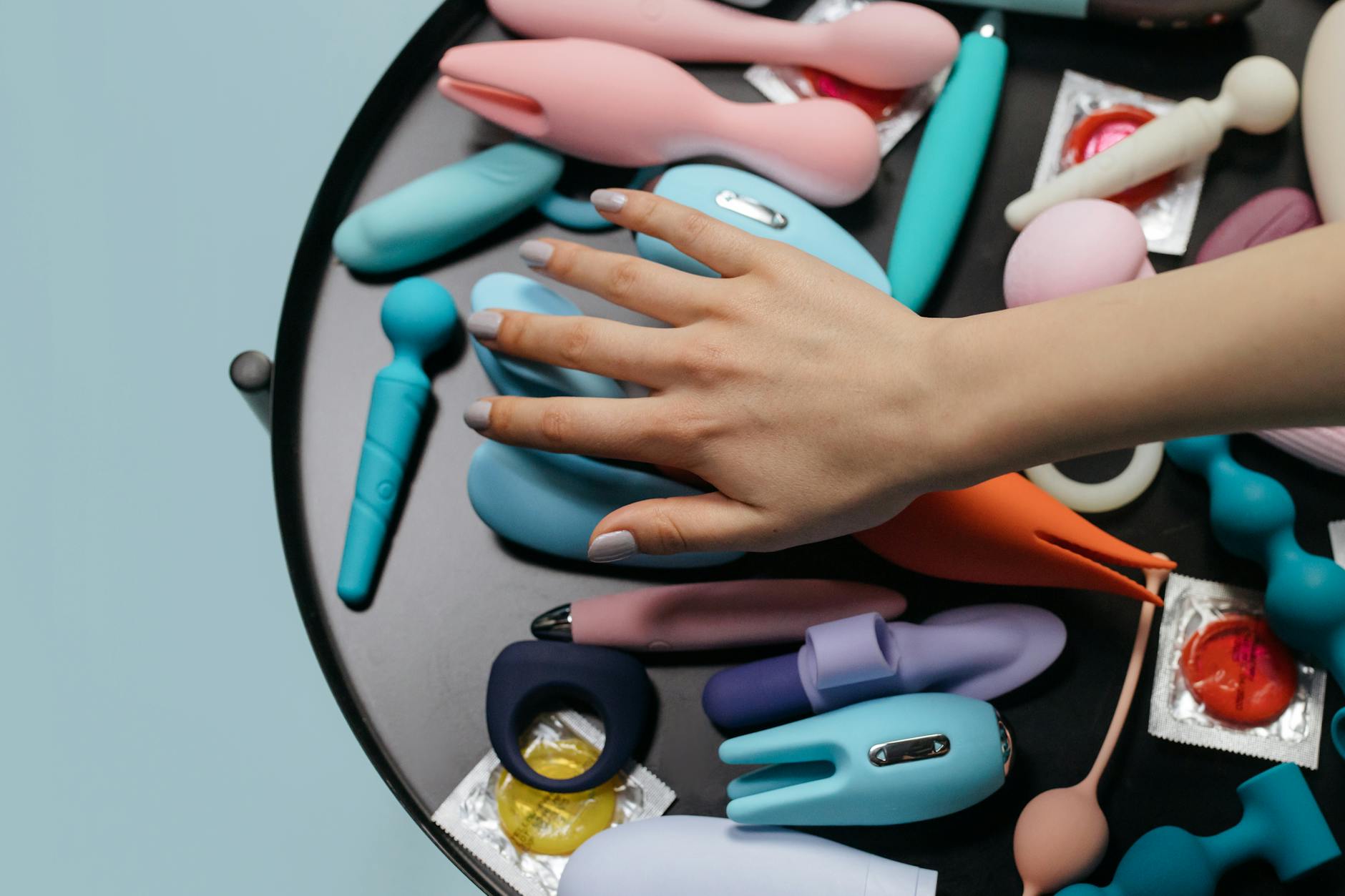
Here's the thing about mismatched desire
One partner is ready. The other isn't. So you either have sex when it's not fully wanted, skip it entirely, or you both end up resentful in different ways. None of those is actually winning. I work with couples where this exact dynamic has calcified into a dead bedroom or worse, into a pattern where one person feels like they're always initiating and being rejected, and the other feels like they're always being asked for something they don't want.
It's one of the most common reasons couples stop having sex altogether.
Here's what changes the game: a tool that makes arousal happen faster, that doesn't require the lower-desire partner to suddenly want full penetrative sex, and that turns the conversation from "do you want to?" into "want to try something that might feel good right now?" That tool is often a lemon clitoral vibrator.
Why desire mismatch is so hard on couples
Mismatched libido isn't actually about sex. It's about feeling wanted, or feeling pressured. It's about autonomy. If you're the higher-desire partner, rejection feels personal. If you're the lower-desire one, an initiating partner can start to feel like an obligation. Over time, sex becomes something you do to each other instead of something you do together.
The brain chemistry matters too. Lower desire sometimes means slower arousal, not no arousal. It means the pathway to pleasure takes longer to activate. If a partner tries to initiate when the other isn't mentally present yet, the whole thing stalls. Add in resentment and some sexual anxiety, and now you have a genuinely difficult problem.
What I've noticed in my practice is that many couples with desire mismatches never actually had a conversation about how to make sex work for both of them. They had conversations about whether to have sex. Very different thing.
What a lemon vibrator changes
A clitoral vibrator like Hello Nancy's Lemon does three specific things for couples with different desire levels.
First, it bypasses the warm-up problem. The lower-desire partner doesn't have to wait through foreplay they're not ready for. Instead: quick, focused stimulation that builds arousal in 5 to 15 minutes rather than 30 or 45. No drawn-out process, no obligation to be into something they're not feeling yet. The vibration does the work of escalation.
Second, it decouples desire from penetration. You don't need the lower-desire partner to want full sex for something good to happen. The lemon vibrator creates a completely separate path to pleasure. One partner is penetrating, the other is getting clitoral stimulation. Or neither of you are, and you're just focusing on what feels good right now. That freedom changes everything.
Third, it makes saying yes easier. When a higher-desire partner says "want to use the lemon?" instead of "want to have sex?" there's less pressure built into the question. It's not asking someone to want the same thing you want. It's offering a specific, time-limited, low-stakes experience. That's a much easier yes.
The practical setup
Here's how this actually works.
Have the conversation first (not during)
Don't bring a lemon vibrator into the bedroom and hope your partner gets it. Talk about it when you're clothed, not aroused, and not about to have sex. Say something like: "I've noticed we have different speeds when it comes to wanting sex. I don't want you to feel pressured, and I don't want to feel rejected. I read that a lot of couples in our position find vibrators helpful. Would you be open to trying that together?"
Listen to what comes back. "I'm not sure" is fine. "I'd feel weird" is useful information. "Let's try it" is great. If your partner is hesitant, ask what matters to them. Do they want control over when to use it? Do they want to start solo with it first? Do they want to do it together but outside the bedroom initially, like during a bath?
Start low-pressure
Honestly though, the best first time is not during partnered sex. It's solo, with your partner present. That sounds odd, but here's why it works: the lower-desire partner gets to experience the lemon vibrator without the added layer of "now I also have to perform or be responsive." And the higher-desire partner gets to watch without expectations. It's research. It's curiosity.
Turn it on. Find the pattern that feels good. There's zero performance pressure, and weirdly, that tends to make arousal easier.
Then bring it into partnered sex, slowly
Once you both know what it feels like, try this: the lower-desire partner uses it solo while the higher-desire partner is present but not touching. Just be in the space together. Then, if it feels right, the higher-desire partner might touch them elsewhere, or enter once they're already aroused.
Or don't. The point isn't penetration. The point is both of you feeling pleasure.
The conversation keeps happening
What I've seen couples miss: they think the vibrator is the fix. It's not. The vibrator is a tool that makes the real fix possible, which is talking about sex in a new way.
With a lemon vibrator in the mix, you can finally say things like: "I'm not feeling it tonight, but I could get there with that." Or: "I want to be close to you without it being this big production." Or: "I like this way because it feels less like you're waiting for me."
Those conversations are the actual relationship shift. The vibrator just makes them possible.
Managing expectations
Listen. A vibrator won't fix a dead bedroom if the bedroom is dead because of resentment that runs deeper. If you haven't had sex in two years and there's anger underneath, you might need couples therapy before (or alongside) trying this. How to Use a Lemon Vibrator With Your Partner During Couples Therapy has some thoughts on that.
But if your desire levels are genuinely just different, and you're both willing to figure out something that works, a lemon vibrator can shrink that gap from "we never have sex" to "we have a rhythm that doesn't leave either of us feeling bad."
It also, weirdly, tends to make people want sex more. That's not because vibrators are magic. It's because sex stops feeling like an obligation or a rejection, and starts feeling like something that both of you choose.
The tone shift matters more than you think
One of my favorite couples used to say "I guess we could" before sex. Now they say "want to play with the lemon?" Same act, completely different emotional temperature. The second one feels like something they both want. The first one felt like someone was being nice.
Desire mismatch is solvable. It just requires different tools and different language than most couples have.
When to get help
If you've tried this and one partner still feels pressured, or if the vibrator becomes a source of tension ("you only want sex if I use that"), pause and talk to someone. A sex therapist or relationship coach can help you figure out whether the real issue is truly desire, or whether something else is going on beneath the surface.
The goal isn't to make your partner want sex as much as you do. The goal is for both of you to feel good about the sex life you actually have.
FAQ
How long does it take for a lemon vibrator to actually work for this problem?
Depends on the relationship. Some couples notice a shift after a few tries. Others take weeks before they feel genuinely comfortable using it together. Don't rush it. The lemon vibrator is a tool that supports change, not something that fixes the problem immediately. What tends to matter more is how the conversation goes, and whether both of you feel like you're solving this together rather than one person trying to fix the other.
What if my partner is worried about feeling replaced by the vibrator?
This is more common than you'd think. Talk directly about it. Say something like: "I want you there. I want us together. This just helps me get there faster so we can both enjoy it." Sometimes it helps if the higher-desire partner uses it too, or if they use it on their partner. Making it a shared thing rather than something one person does alone can ease that worry.
Can a lemon vibrator actually increase overall desire in the lower-desire partner?
Not chemically. But here's what happens: when sex feels good, quick, and pressure-free, people often want it more. Not because their baseline desire changed, but because the experience shifted from obligation to pleasure. So yes, indirectly, often a lot.
Is it normal that using a vibrator together made us want more frequent sex?
Completely normal. When you remove the friction and resentment around sex, you usually want more of it. You're not changing biology. You're changing the emotional experience of sex, which changes how often you want it.
What if one partner wants to use it and the other doesn't?
Then you've got a different problem. That's not a desire mismatch issue anymore. That's a boundary or comfort issue, and it needs its own conversation. How to Use a Lemon Vibrator Safely With Sensory Sensitivities has some thoughts on working with partners who have texture or sensation concerns.
Should we tell a therapist we're using a vibrator?
Absolutely. If you're in couples therapy, your therapist needs to know what you're trying. A good therapist will ask about sexual practices anyway. This isn't something to hide. It's relevant information about how you're working on the relationship.
Desire mismatch doesn't have to mean no sex. It just means you need better tools and more honest conversations. A lemon vibrator can provide the first. You provide the second.
Ready to have a different conversation about sex with your partner? Get in touch.