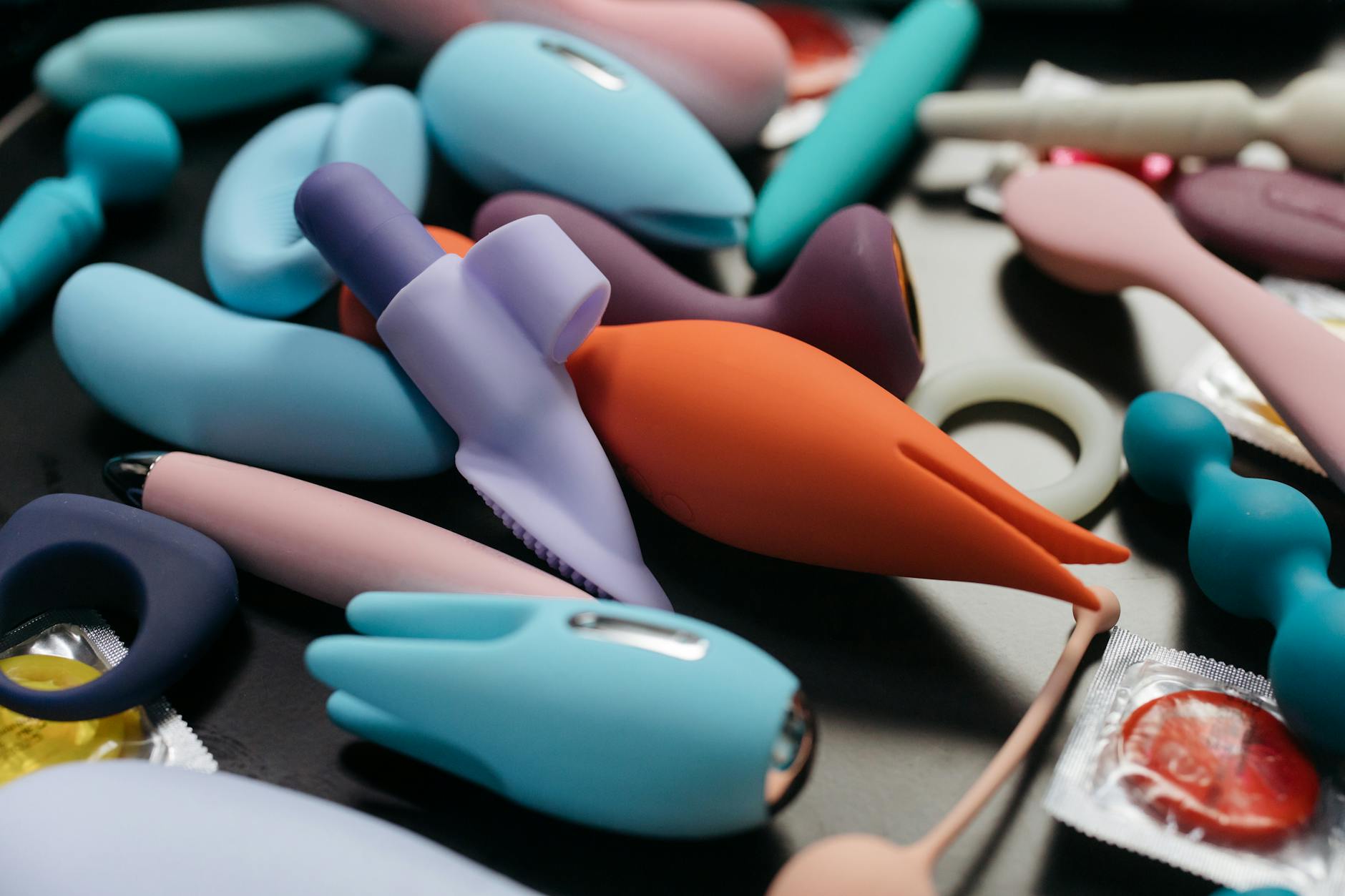
The thing nobody tells you about arousal after 40
Let's be real. At some point between your 20s and your 40s, your body stopped waving a magic wand and started asking you to actually build the moment. Arousal that used to arrive on cue now takes fifteen minutes instead of five. Or thirty. Or it takes longer some days and moves faster others. You're not broken. Your nervous system didn't malfunction. This is just what happens when your hormones shift and your life gets more complex.
The frustration isn't the slowness itself. It's that most of the world still writes about sex and arousal like everyone's body works like a light switch. Instant. Responsive. Always ready. But that was never how your body worked, and it definitely isn't now.
Here's what actually changes, and how to work with it instead of against it.
Why arousal takes longer as you age
Three things shift simultaneously. First, estrogen drops. Lower estrogen means slower blood flow to the genital tissue. Blood flow is literally what creates swelling and sensitivity in the clitoris and vulva. Less blood means the arousal response takes more time to show up.
Second, your nervous system gets pickier about what triggers arousal in the first place. Your brain is processing more. You have career stress, relationship history, body awareness that didn't exist at 25. Arousal requires your nervous system to believe you're safe and present. That's harder to access quickly when you're thinking about work emails or whether you left the oven on.
Third, the clitoris itself changes. The tissue thins slightly. The nerves that wire the clitoris are still there, still dense, still capable of incredible sensation. But stimulation that would have worked instantly at 25 now requires more intentional approach. It's not less pleasurable. It's just different.
Women who understand this shift often report their orgasms become more intense, not less. The slow buildup creates deeper tension and fuller release. But only if you stop fighting the pace.
What slow arousal actually means for your body
When arousal builds slowly, you're not experiencing a deficit. You're experiencing a different activation sequence.
Your clitoris is still waking up. The tissues are still engorging. The nerve endings are still firing. It's just happening over a longer timeline. Think of it like the difference between a microwave and an oven. One is fast and hot on the outside, potentially unevenly warm inside. The other takes longer and builds heat evenly throughout.
The slow burn creates better arousal depth. By the time you reach peak sensation, your entire pelvic floor is engaged, your nervous system is fully in the moment, and your brain has checked out of daily life. That foundation is what creates orgasms that feel total, not just clitoral.
Many people also find that slower arousal reduces anxiety during sex. There's no performance pressure to "get there" instantly. You have permission to take twenty or thirty minutes instead of five. Permission changes everything.
Why lemon clitoral vibrators work better for longer buildup
Lemon vibrators, specifically the suction-based design, work beautifully with slower arousal because they meet your clitoris where it actually is, not where you wish it was.
With traditional vibration, you're working against slowness. You're applying intensity to tissue that isn't yet fully engorged. The sensation can feel uncomfortable or ineffective because the infrastructure isn't ready. You end up frustrated, speeding up, pushing harder. None of that helps.
With suction-based stimulation from a Lemon vibrator, you're creating gentle pressure changes that activate the clitoris without requiring it to be fully aroused first. Suction wakes up the tissue gradually. It says to your nervous system: "We're building this. We have time. Let's go slow."
The best part: suction-based clitoral vibrators work across all arousal phases. Starting out and barely feeling it? Suction creates sensation. Halfway there and building? Suction keeps that momentum going. Already at peak? Most people find suction creates a different, sometimes deeper kind of orgasm than vibration alone.
How to use a Lemon vibrator through the slower buildup phase
If arousal is taking longer, your technique needs to change. Here's the framework I recommend.
Start without the vibrator at all. Spend five to ten minutes on foreplay, touch, mental connection. Genital arousal doesn't happen in isolation. Your nervous system needs to know the situation is safe and desirable before your genitals fully cooperate. If you're with a partner, this is quality time together. If you're solo, this is your mind settling in.
Introduce the vibrator at low intensity on pattern 1 or 2. Not on the highest setting. Not chasing sensation. Just beginning. The goal is to start the arousal chain reaction, not to create immediate pleasure. Let it build for five minutes. You may or may not feel much yet. That's normal.
Move through the intensities slowly. Spend a few minutes at each pattern. Notice what your body is doing. Is sensation building? Is your breathing changing? Are your muscles engaging? These are signs arousal is actually happening, even if it doesn't feel dramatic yet.
Don't expect to feel the same way every time. Some days you'll be ready fast. Some days you'll need longer. Some days your body will feel different in ways you can't explain. That's not a failure. That's you paying attention to what's real instead of what you think should be real.
Stay consistent with pressure and pattern once you find what's working. Slower arousal benefits from rhythm, not innovation. If pattern 2 is creating buildup, keep pattern 2. If you're on the verge of orgasm and you suddenly jump to pattern 5, you can lose the momentum you built. Consistency through the slow phase is what takes you over the edge.
Partnered sex with slow arousal
If you're with a partner, slow arousal requires different communication than instant arousal did.
The assumption most people operate under is: arousal is fast or something's wrong. So when you need longer, your partner may feel rejected or may think they're not doing something right. Neither is true. You just need more time. Say that.
Better: "I'm enjoying this. I need about twenty minutes to fully get there today." That reframes the whole interaction from "Why isn't this working?" to "How do we use this time well?"
Your partner can use a Lemon vibrator while you're together. Many people find that suction-based stimulation from a clitoral vibrator actually deepens partnered sex because it gives you a reliable pleasure source while your partner engages however they want. You're not waiting on each other. You're building together.
Or your partner can spend that twenty minutes on foreplay, conversation, or just being present while you use the vibrator. All of that deepens intimacy more than rushing toward a faster orgasm ever did.
Medications and arousal speed
Sometimes slow arousal isn't age. It's medication. Certain antidepressants, blood pressure meds, and hormonal treatments slow sexual response as a side effect.
If you started a new medication and noticed arousal took longer, that's a real, documented effect. You're not overreacting. Your doctor should know, and your doctor might have alternatives that work better for your sexuality.
But even with medication, the Lemon vibrator framework still applies. You're not fighting the slowness. You're planning for it, respecting it, and using tools that work with your actual arousal timeline.
When slow arousal matters less than you think
Here's the part nobody expects: once you accept slow arousal and stop fighting it, you usually stop noticing it.
When you stop pressuring yourself to feel something instantly, when you give yourself permission to spend thirty minutes on pleasure, when you use a tool designed for your actual body, arousal doesn't feel slow anymore. It feels like depth. It feels like you finally have time for yourself.
Your 20-year-old body had instant arousal because instant was all it knew. Your current body has earned arousal that's deliberate, grounded, and often more satisfying. That's not a loss. That's a trade up.
People also ask
Is slow arousal after 40 a sign something is wrong with my body?
No. Slower arousal is a normal, documented shift that happens as hormone levels change and life complexity increases. Your nervous system needs more time to transition into arousal mode. That's your body working correctly, not failing. If arousal stopped entirely or became painful, that's worth mentioning to a doctor. But slower isn't broken.
Can medications help arousal build faster?
Some medications (like low-dose testosterone therapy) can increase sexual response speed. That's a conversation for your doctor, and it's not necessary for good sex. Many people find that accepting slower arousal and using the right tools (like a Lemon vibrator) works better than medication, because it doesn't carry side effects and works with your body instead of overriding it.
Do I need to use a vibrator if arousal is slow?
No, but vibrators often help. Specifically, suction-based clitoral vibrators like Lemon seem to work particularly well because they create sensation without requiring you to already be highly aroused. Some people find that using a vibrator actually makes the slow arousal less noticeable because the vibrator creates consistent stimulation while their nervous system catches up.
Why does my arousal feel different with my partner than when I'm solo?
Your nervous system is different in those two situations. When you're solo, you're in control of the pace and tone. When you're with a partner, you're also managing their pace, their needs, their presence. That extra cognitive load can slow arousal. This is normal. Many people find that longer foreplay, clear communication about timing, and permission to use a vibrator together actually makes partnered sex more connected because nobody's pretending to be ready faster than they are.
Does slow arousal mean my orgasms will be weaker?
Actually the opposite. The slow buildup usually creates more intense orgasms because you've engaged more pelvic floor muscles, more nervous system activation, and more mental focus. You're not chasing a quick release. You're building toward something deeper. That foundation creates bigger sensations, not smaller ones.
What if my partner finds it frustrating that arousal takes longer?
That's a communication conversation, not a body problem. Your partner may need to understand that your arousal timeline isn't personal rejection. It's your nervous system's actual timeline. You can help by being clear about what you need ("I need about twenty-five minutes"), by staying engaged during that time, and by showing them that your pleasure is genuinely deeper when you're not rushing. Many partners actually find slower arousal better because it gives them more runway to connect.