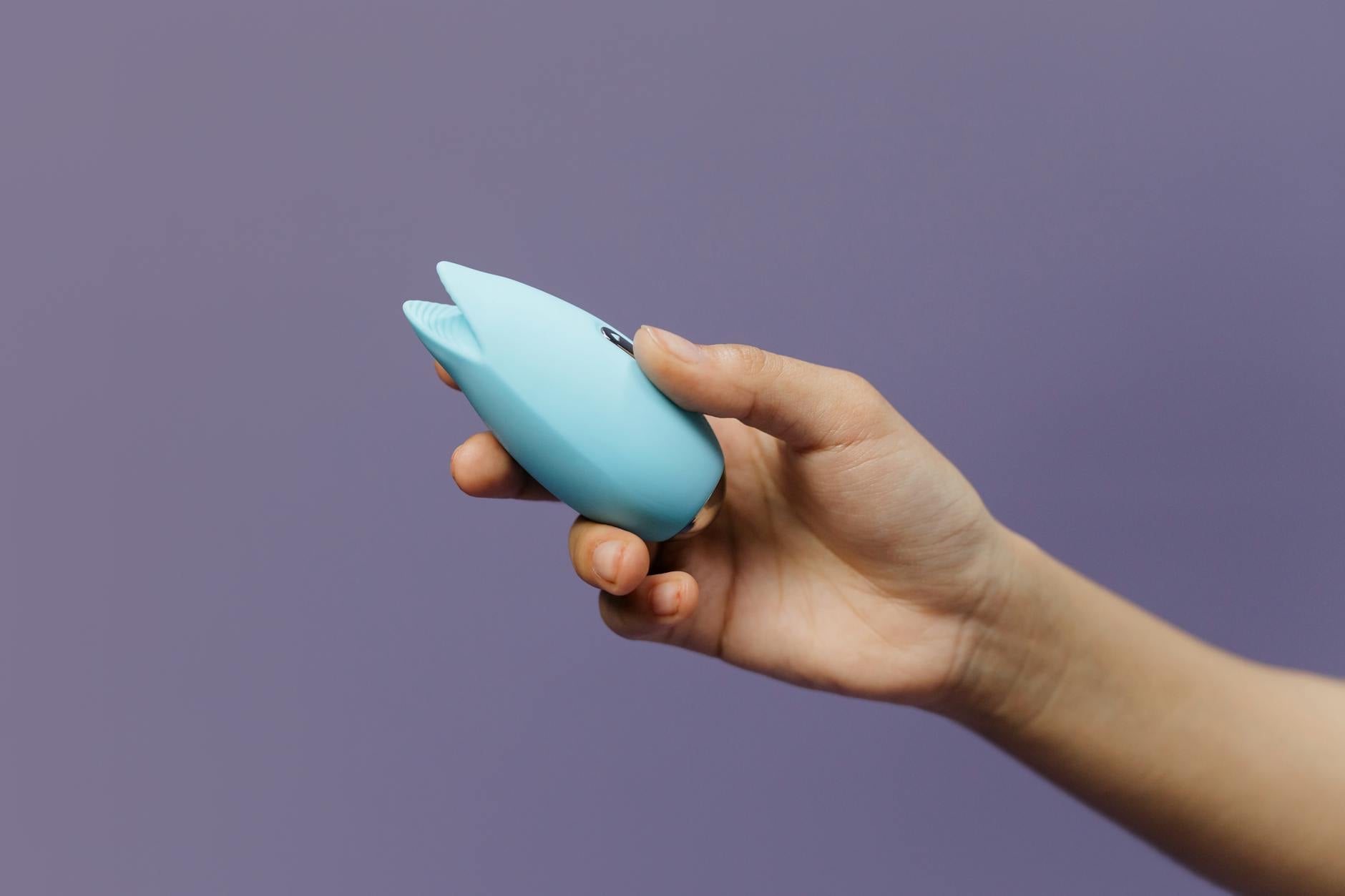
How to Use Lemon Vibrators When Clitoral Pleasure Feels Muted With Stress
The stress response that kills arousal
Let's be real. When you're operating under chronic stress, your body doesn't care about pleasure. It's in survival mode.
Here's what's happening: stress keeps your nervous system locked in sympathetic activation. Your amygdala is running the show. Blood is shunted away from your genitals and toward your muscles. Cortisol and adrenaline are flooding your system. Meanwhile, your clitoris is sitting there waiting for signals that never come because your brain is too busy scanning for threats to organize arousal.
The result? Clitoral pleasure feels muted, distant, or absent entirely. Touch that would normally feel electric now registers as background noise. You might go through the motions of sex or solo play and feel almost nothing. It's not that you've broken. It's that your nervous system is too dysregulated to access the parts of you that feel pleasure.
This matters because most people assume the problem is physical or that they've lost desire permanently. Neither is true. The machinery still works. The signal is just being jammed by stress.
Why Lemon clitoral vibrators work differently under stress
Here's the thing about air-suction technology like the Lemon clitoral vibrator: it doesn't require you to be fully aroused to feel it. That's the key difference.
Traditional vibrators rely on your clitoris being somewhat swollen and sensitized before they register as pleasurable. When you're stressed, that swelling takes forever to happen, if it happens at all. You need arousal to build arousal, which becomes a catch-22.
Air-suction design works through a different pathway. It creates a gentle seal and rhythmic pulse that stimulates the thousands of nerve endings in and around your clitoris through a different mechanism than vibration alone. The sensation registers even when your body is in a more neutral or tense state. It's not about waiting for arousal to arrive. It's about a tool that can help pull your nervous system out of fight-or-flight mode.
This is particularly useful for stress-related pleasure loss because you can start at lower intensities and let the Lemon clitoral vibrator gradually coax your body into a more parasympathetic state. The physical sensation combined with the gentle, repetitive stimulation can actually help downregulate stress.
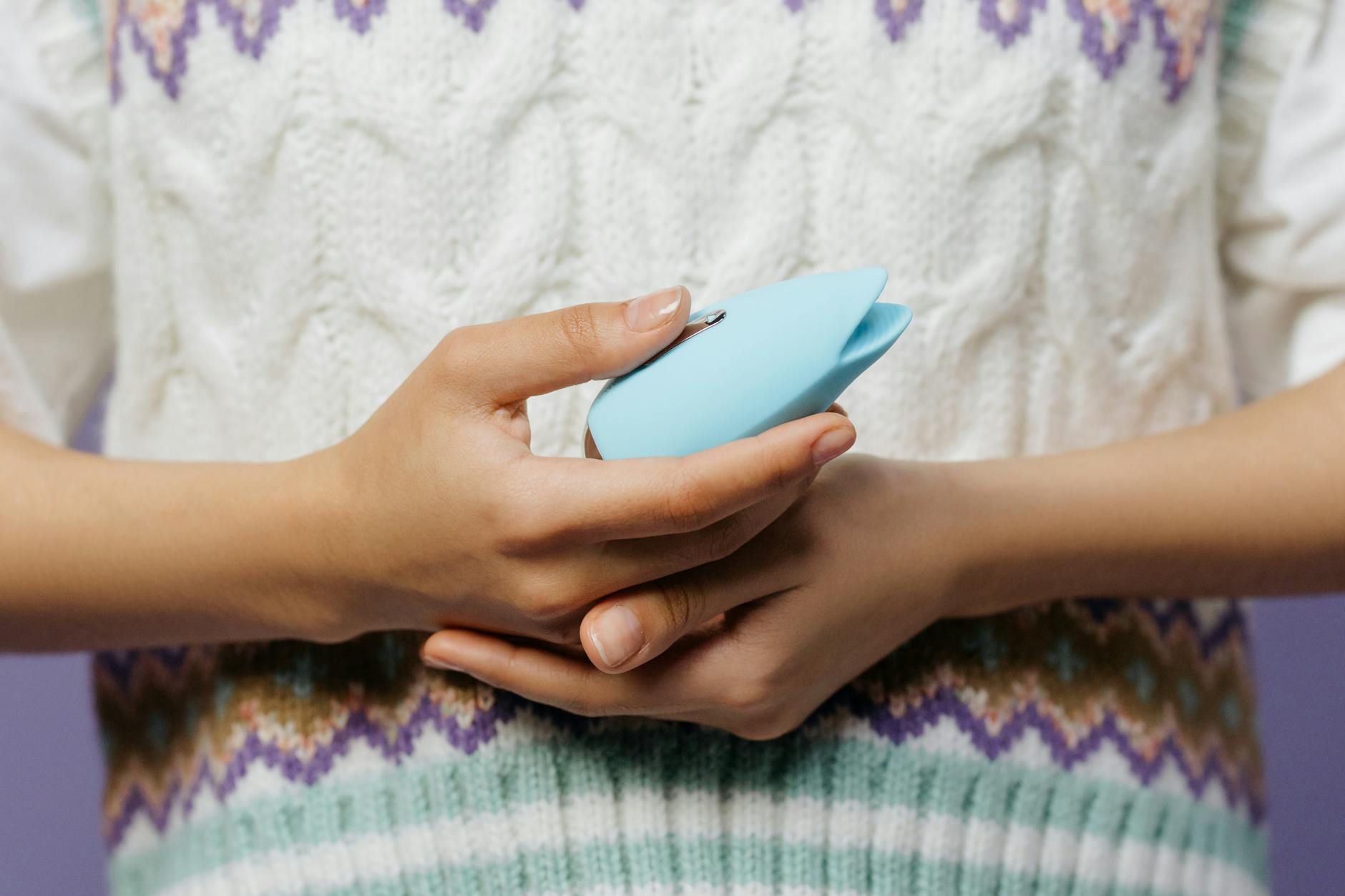
Photo by cottonbro studio on Pexels
The nervous system reset protocol
Using a Lemon vibrator when stress is muting pleasure works best with intention. This isn't about forcing an orgasm. It's about creating conditions for your nervous system to downshift.
First, set the scene for parasympathetic activation. This means 15 to 20 minutes of deliberate downtime before you even touch yourself. Dim the lights. Put your phone in another room. Some people light a candle. Others put on music they actually like. The goal is to signal to your body that the threat assessment can pause.
Start with the Lemon on the lowest setting. Place it gently against your clitoris without any pressure to perform or achieve anything. You're not looking for an orgasm right now. You're looking for sensation. The goal is to notice what you feel without judgment. If it feels good, stay there. If it feels muted or distant, that's information too. Don't try to fight it.
Breathe slowly. This matters more than you think. Slow breathing literally activates your vagus nerve, which is the main control switch for parasympathetic activation. If you're holding your breath or breathing shallowly, you're working against yourself. Aim for a breath pattern of 4 counts in, 5 or 6 counts out.
Give this 10 to 15 minutes. You might not reach orgasm, and that's fine. The win here is nervous system recalibration. Over time, as you repeat this practice, your body will start to rebuild the connection between sensation and pleasure.
Why the Lem vibrator's lower intensities matter
Most clitoral vibrators start at a medium intensity that assumes your body is already somewhat aroused. When you're stressed, jumping straight to a medium or high setting often feels jarring or overstimulating. Your nervous system is already on edge. More intensity isn't the answer.
The Lemon clitoral vibrator's broad range of intensity starting from genuinely gentle patterns allows you to meet your body where it actually is. You can stay at pattern 1 or 2 for weeks if that's what your nervous system needs. There's no shame in that. You're building tolerance and reconnection gradually, which is how nervous systems actually heal.
What this also means is that you're not waiting for your clitoris to be primed before you start. You can begin with the Lemon vibrator on its lowest setting, and the tool itself becomes part of what brings you into arousal rather than something you only use once arousal is already there.
Building back to pleasure incrementally
The stress-to-pleasure disconnection doesn't reverse overnight, and treating it like an emergency only adds pressure. Think of this as a gentle progression.
Weeks one through three: Use your Lemon vibrator for sensation alone. Low intensity, 10 to 15 minutes, no goal. You're teaching your body that touch can feel good even when stress is present. Many people find that just 3 to 4 sessions a week at this stage is enough to start noticing small shifts.
Weeks four through six: If sensation is improving, you might start experimenting with slightly higher intensities or different patterns. Still no pressure to orgasm. The focus is on expanding what your body can feel.
Weeks six onward: Pleasure and orgasm might start to return naturally. If they don't after several weeks, that's worth checking in with a therapist or doctor. Chronic stress can interact with depression, medication, or relational dynamics in ways that solo play alone can't address.
The role of your partner, if you have one
If you're partnered, stress-related pleasure loss often becomes relational. Your partner might internalize it as rejection. You might feel pressured to perform. This dynamic makes the stress worse, which makes pleasure harder to access.
The most useful thing you can do is name it clearly: "My pleasure is muted right now because of stress in my life, not because of anything you've done." Then, invite them into the recovery if they're willing. That might mean they hold space while you use your Lemon vibrator. It might mean they reduce any performance pressure during partnered sex. It might mean they help you manage some of the stressors in your shared life.
If your partner isn't interested in that collaboration, that's also data worth examining, especially if stress is high and support is low. Sometimes pleasure loss is a signal that the relationship itself needs attention.
When to bring in professional support
If stress-related pleasure loss persists after 8 to 10 weeks of consistent, intentional practice with a Lemon clitoral vibrator, it might be worth talking to a therapist or sex-positive healthcare provider.
Chronic stress can mask depression. Certain medications interact with arousal and sensation. Sometimes what looks like stress is actually trauma that needs deeper work. A professional can help you sort that out.
Also worth knowing: if stress is coming from a specific source like a bad relationship, a terrible job, or ongoing conflict, fixing your pleasure while the stressor stays in place is like applying a bandage to a deeper wound. Your body is telling you something. Listen to it.
FAQ
How long does it take for clitoral pleasure to return when using Lemon vibrators during stress?
There's no standard timeline, but most people notice small shifts in sensation within 2 to 3 weeks of consistent, gentle practice. Full pleasure restoration often takes 6 to 12 weeks, depending on how severe the stress is and whether the underlying stressor is being addressed. The key is consistency and patience. Your nervous system didn't shut down overnight, so it won't fully reopen overnight either.
Can I use my Lemon clitoral vibrator if I'm also on antidepressants?
Yes. If antidepressants are part of what's contributing to muted pleasure, a Lemon vibrator can still help you work with sensation and rebuild connection. That said, some medications genuinely do affect arousal capacity. Talk to your prescriber about whether your specific medication is known to do this, and whether adjusting the dose or switching might help. A clitoral vibrator is a tool, not a medication substitute.
Is stress-related pleasure loss permanent?
No. It's reversible once the nervous system downregulates and stress decreases. Using Lemon vibrators or other tools is one part of that. Addressing the underlying stressors, therapy if needed, sleep, movement, and connection all matter too.
Should I use my Lemon vibrator daily when stress is muting pleasure?
Starting with 3 to 4 times per week is often more sustainable than daily use. Overuse can lead to sensitization, which ironically can make sensation feel even more muted. The goal is consistent, intentional practice, not frequency.
What if I feel nothing even with a Lemon clitoral vibrator on the lowest setting?
That's actually not uncommon in acute stress. Your body might need even more time to downregulate before sensation returns. Try extending your wind-down period before use. Reduce other stimulation. Some people find that using their Lemon vibrator without expecting to feel anything is paradoxically what finally allows sensation to return. Pressure kills pleasure every time.
Can a Lemon vibrator help if stress is affecting my partner's pleasure too?
Yes, but with a caveat. If both partners are stressed, the real work is often about reducing the shared stressors and improving communication first. A Lemon vibrator can help individuals reconnect to their own pleasure, but it won't resolve relational stress. Sometimes couples therapy or relationship coaching is what actually needs to happen. I recommend exploring how to strengthen intimacy after stress as a next step if you're partnered.
The reset starts here
Stress isn't a character flaw. Your nervous system isn't broken. Your body is doing exactly what it's supposed to do when it perceives threat. The muting of pleasure is a symptom, not a verdict.
A Lemon clitoral vibrator can be part of what brings you back. So can therapy, rest, connection, and time. Start small. Show up consistently. Let your body reset at its own pace. Pleasure will return. You just need to give it the conditions to do so.
If you're ready to explore how pleasure can rebuild even amid life stress, reach out and let's talk about what's actually happening for you.