
Here's what nobody tells you about switching partners
Your clitoris doesn't have relationship memory, but your nervous system does. When you move from one long-term partner to someone new, delayed clitoral response isn't a sign of incompatibility or diminished desire. It's a documented neurological adjustment. Your body is recalibrating. That recalibration takes time.
Most of what you hear about new relationships glosses over this awkward middle chapter. You're either "instantly connected" or "not meant to be." In reality, the first 3 to 6 months of partnered sex with someone new can feel weirdly muted. Your clitoris might respond more slowly. Orgasm might feel distant. Your arousal pattern might not match theirs. This is not a problem to solve. It's a phase to navigate.
I've worked with hundreds of people through this exact transition, and the ones who move through it fastest are the ones who name it early, communicate about it, and give themselves permission to use tools like Lemon vibrators without shame or apology.
Why clitoral response shifts during relationship transitions
Three overlapping systems are at work here, and understanding them changes everything.
1. Nervous system recalibration. Your body learned your previous partner's timing, pressure preference, rhythm. Sensation pathway patterns literally rewired over months or years. A new partner has a different body, different pressure, different pace. Your nervous system sees this as novel stimulus and defaults to a more cautious state. This is protective. Your clitoris is basically saying "I need more data before I fully respond."
2. Psychological readiness. Even if you're excited about the new relationship, there's often unconscious hesitation. Trust takes time. Vulnerability takes time. Pleasure requires both. Your brain is running background checks on safety even while you're consciously present. This doesn't mean the relationship isn't right. It means your nervous system is doing its job.
3. Pattern disruption. If you spent years with a previous partner, you probably developed a familiar arousal rhythm together. New partners disrupt that. You can't predict when they'll touch you. Their hands feel different. Their breath pattern is unfamiliar. You're essentially learning to be aroused all over again, which means starting from a lower baseline response and building back up.
This is not permanent. It's temporary architecture.
What this looks like in practice
Most people describe one of these patterns during the transition phase. Recognize yourself.
Arousal takes noticeably longer to build. You need 20 to 30 minutes of foreplay when you used to need 10. This isn't low libido. It's recalibration. Your partner might interpret slowness as lack of interest, which adds a layer of performance anxiety on top of the nervousness already present.
Clitoral sensation feels muted or distant. Direct touch that would have sent sensation everywhere now feels like touching through a thin layer of cotton. Your clitoris is there. The nerves are there. The response is just dampened while your nervous system adjusts.
Orgasm feels harder to reach, or the orgasm itself feels different. Maybe smaller. Maybe less intense. Maybe it takes so long that you or your partner give up, which then spirals into frustration and self-doubt.
You can orgasm alone but not with a partner. This is actually the most common variation I see. Solo, your body knows the routine and responds immediately. With a partner, even though you're attracted to them and want to be there, something in the system stays guarded.
All of these are normal. All of them resolve with time, communication, and often, a tool that lets you reclaim agency during the transition.
How Lemon vibrators fit into relationship transition
Here's where clitoral vibrators like those from Lemon come in strategically. They're not a replacement for partnered sex or a band-aid for a relationship problem. They're a recalibration tool.
When you use a Lemon clitoral vibrator during partnered sex, you're doing several things simultaneously. You're taking the pressure off your partner to be your sole source of stimulation. You're giving your nervous system permission to respond to your own touch first, which often opens the door for your body to be more responsive to your partner's touch after. You're also gathering data about what your clitoris actually needs right now, in this body, with this new nervous system state. That data is gold.
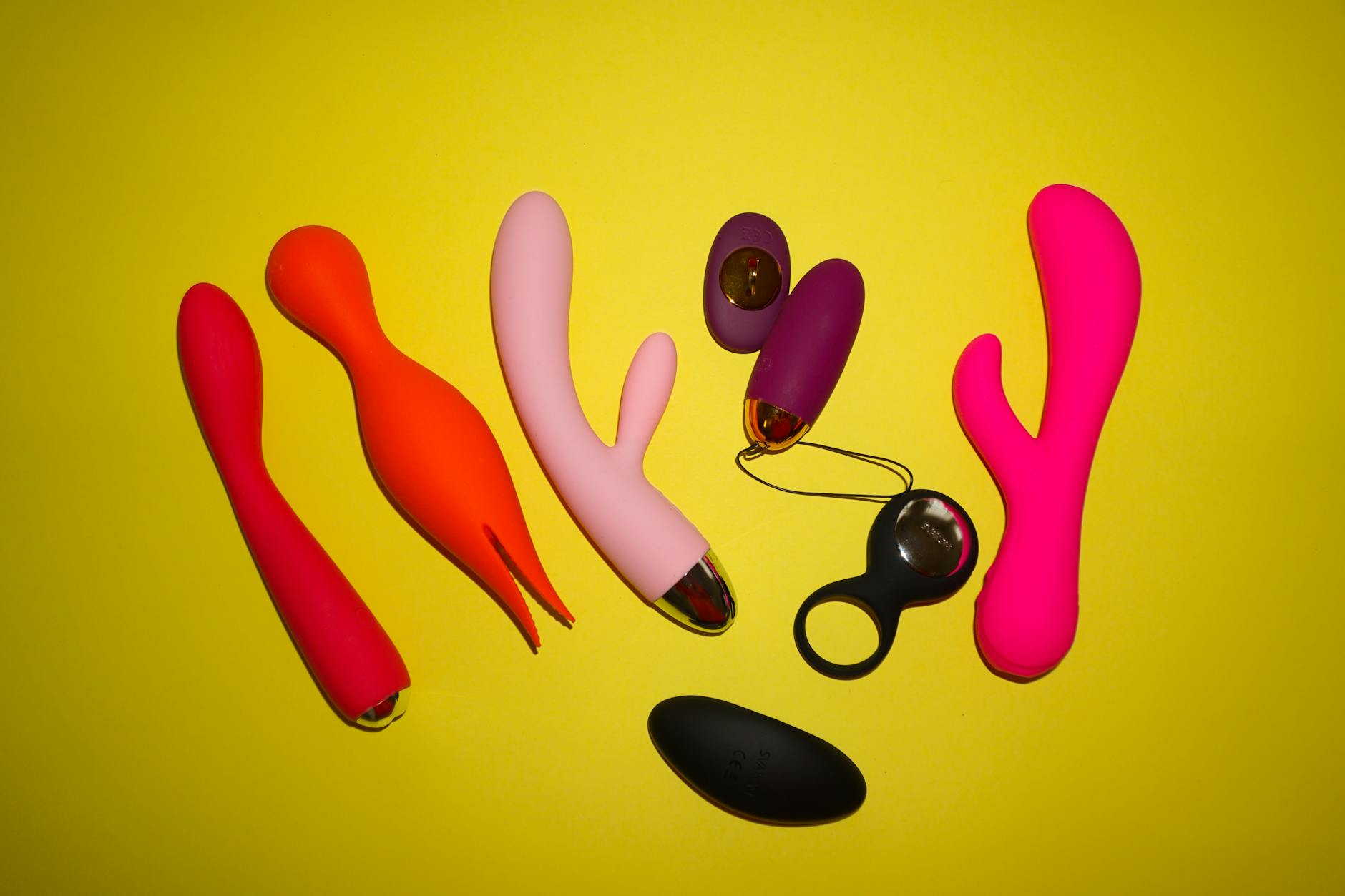
Photo by FounderTips on Pexels
The suction-based design of Lemon vibrators is particularly useful here because suction feels different than vibration alone. It engages different nerve pathways. If your clitoris feels numb or muted, the pattern change of suction can sometimes wake up sensation that direct vibration doesn't. Plus, suction doesn't require the same kind of pressure that traditional vibrators do. That gentleness matters when you're in a sensitive transition state.
A practical framework for using vibrators during this transition
Timing matters. Strategy matters. Here's what I recommend.
Solo first, then introduce it to partnered sex. Spend a week or two using a Lemon clitoral vibrator on your own. This does three things: it reconnects you with your own pleasure baseline, it removes performance pressure, and it gives you concrete information about what sensation your clitoris is actually craving right now. That confidence carries into partnered sex.
Talk about it before you use it. Don't surprise your partner with a vibrator mid-sex. Have a conversation beforehand. You might say something like: "I've noticed my body needs more time to warm up right now. I want to use a vibrator during foreplay so I can give you clearer signals about what feels good." This frames it as communication, not rejection.
Start at lower intensity. If you're using a Lemon vibrator for the first time during partnered sex, begin at pattern 1 or 2, not full power. Your nervous system is already activated just from the novelty of partnership. Adding maximum vibration can feel overwhelming instead of pleasure-inducing.
Use it on yourself, not as a substitution for your partner's touch. The goal here is layering, not replacing. Your partner can still be involved. They can touch you elsewhere. They can kiss you. They can watch. The vibrator is one tool in a larger interaction, not the main event.
This approach typically takes about 4 to 8 weeks to show measurable change in clitoral response time. You'll notice your body warming up faster. You'll feel more sensation. Your partner will likely sense the difference too.
When this is actually about the relationship
I want to name this clearly because it matters. Sometimes delayed clitoral response during a new relationship isn't just nervous system recalibration. Sometimes it's intuition.
If you're experiencing delayed arousal AND you don't feel safe with your partner, OR you don't actually trust them, OR the relationship doesn't feel right, your clitoris might be reflecting that. Your nervous system is wise. Listen to it.
The difference is this: if you feel safe and connected but your body is just slow to respond, the recalibration framework above will help. If you feel unsafe or mismatched, no vibrator will fix that. You'll be using tools to override a legitimate signal instead of honoring it.
Spend some time with that distinction before you move forward. Your pleasure matters. Your intuition matters more.
Rebuilding sensation alongside deepening partnership
The beauty of this phase, once you accept it, is that you get to learn your own clitoral response all over again. You get to ask questions you might not have asked before. What pressure actually feels best? What rhythm? What kind of foreplay makes your body open? You rebuild pleasure consciously instead of just falling into old patterns.
For many people, sex actually gets better after relationship transitions, not worse. You're starting fresh with clearer communication. You're learning each other's bodies with intention instead of assumption. Your clitoris gets to be part of that conversation from the beginning instead of an afterthought.
Lemon clitoral vibrators are useful during this window because they give you a tool that feels like yours, not his, not theirs. Your own sensation. Your own timeline. That autonomy often translates into faster, deeper connection with your partner because you're not waiting to be aroused. You're actively participating in your own pleasure.
The transition phase is temporary. Your clitoral response will recalibrate. Arousal will get faster. Sensation will sharpen. In the meantime, be patient with your body. It's not broken. It's adjusting.
FAQ: Common questions during relationship transitions and clitoral recalibration
How long does delayed clitoral response typically last after a relationship change?
Most people see noticeable improvement within 6 to 12 weeks, but it's not always linear. You might have weeks where your body feels responsive, then a week where it feels distant again. This is normal. Nervous system recalibration isn't a straight line. Factors like stress, sleep, hormonal cycle, and relationship dynamics all influence the timeline. If it's still significantly delayed after 4 months, it's worth checking in about whether the relationship itself feels right.
Can delayed arousal mean I'm not attracted to my new partner?
Not necessarily. Attraction and nervous system response are different systems. You can be attracted to someone and still have a cautious nervous system that takes time to open. That said, if you notice you're never attracted, never interested, and the delayed response feels more like avoidance, pay attention to that. Your intuition is part of the data.
Is it okay to use a Lemon vibrator during partnered sex if my partner has never used toys before?
Yes, with communication. Some partners feel initially threatened by vibrators because they worry about being replaced or not being enough. Frame it differently: you're using a tool to help your body give clearer pleasure signals, which ultimately helps both of you. Invite them to understand it as collaboration, not competition. Many partners end up enjoying it once they understand the purpose.
Does using a vibrator during the transition phase make me dependent on it for arousal?
No. Tools don't create dependency. They can create habit if used mindlessly, but that's different. If you intentionally use a Lemon vibrator to gather data and build confidence during a specific transition window, then ease back once your nervous system adjusts, you're not creating a dependency. You're using a resource strategically.
What if my clitoral response is still delayed and we're 6 months in?
This is worth investigating. Check in with yourself about whether the relationship feels fundamentally right. Sometimes delayed arousal after 6 months is intuition telling you something needs to shift. Other times, it's related to stress, health, hormonal changes, or medication unrelated to the relationship. A relationship coach or therapist can help you sort through this.
Can I use solo vibrator practice to speed up the recalibration process?
Yes. Solo practice actually helps. It reconnects you with your own arousal baseline outside of performance pressure. It gives you clear data about what your clitoris needs. And the confidence you build solo often translates into easier response with a partner. Spend 10 to 15 minutes a few times a week reconnecting with your own sensation.
What comes next
Relationship transitions are awkward. Your body knows this. Give yourself permission to slow down, communicate clearly, and use every tool available to you. Lemon clitoral vibrators exist for exactly this reason. Your pleasure matters in new relationships. Your timeline matters. Your nervous system's need to recalibrate isn't a flaw. It's working exactly as designed.
If you're navigating this transition and need support thinking through what's normal versus what might signal a deeper issue, reach out. That's what I'm here for.