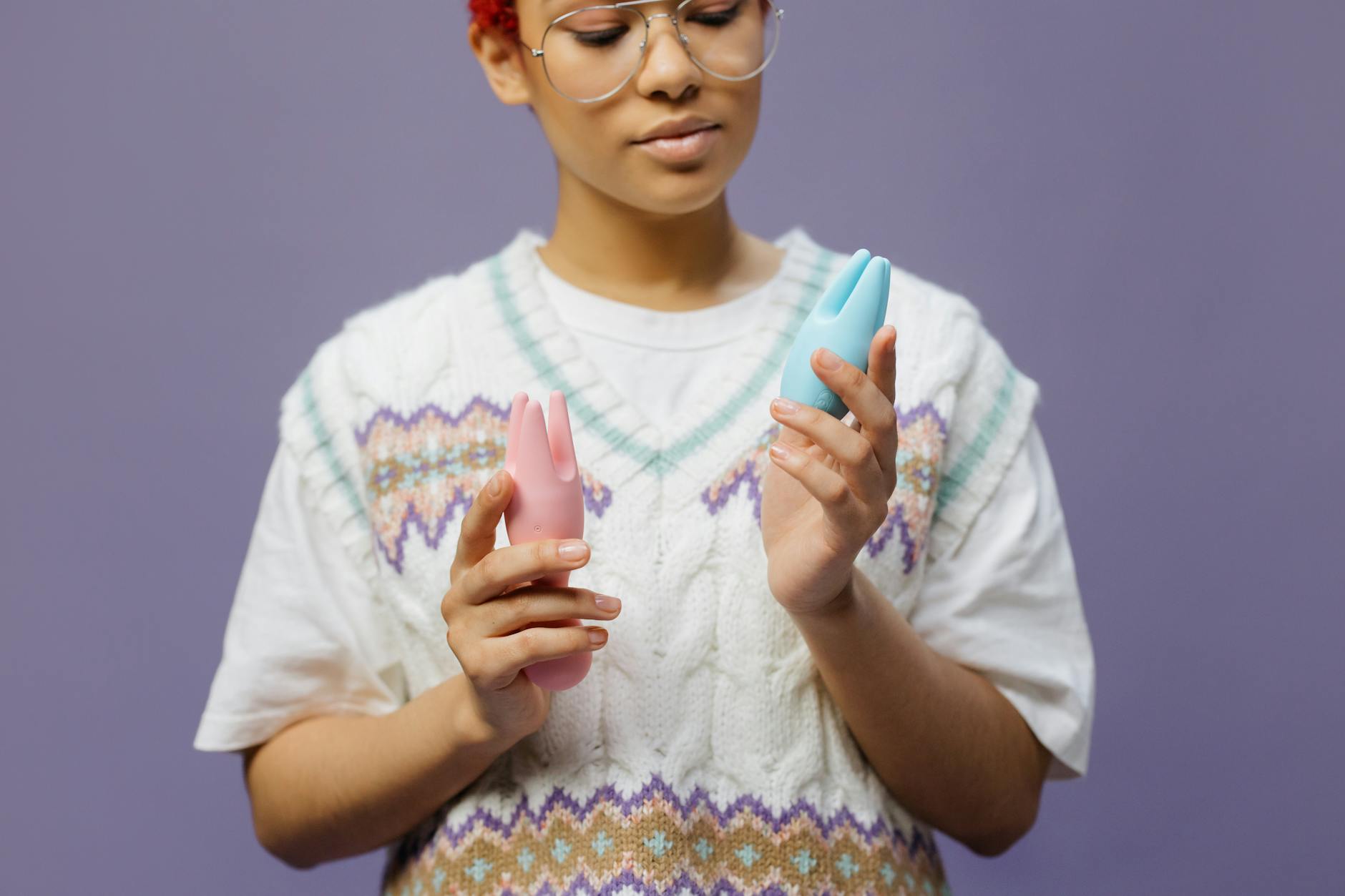
The body keeps score, and so does your pleasure
Let's be real: clitoral numbness after surgery, childbirth, or trauma feels like a betrayal. You expect pain. You don't expect nothing. That absence, that flatness, can feel scarier than sensation at all because at least sensation is proof that you're still there.
Here's what matters right now. Muted clitoral sensation after these events is not permanent. It's not broken. Your body is protecting itself while nerves heal and scar tissue settles. That protection is useful for exactly six weeks. After that, staying stuck in it stops being protective and starts being limiting.
Why sensation goes numb in the first place
Three mechanisms explain clitoral numbness after surgery, trauma, or difficult childbirth.
Nerve compression and irritation. The clitoris has approximately 8,000 nerve endings and sits directly atop the pubic bone. Any trauma to that area, even surgery far from the clitoris itself, sends inflammatory signals that numb the area temporarily. Scar tissue can trap or irritate nearby nerves, creating a longer-lasting deadness.
Central nervous system protection. Your brain is smarter than you think. After trauma, it downregulates sensation in the affected area as a protective reflex. This is not psychological. This is neurobiology. The vagus nerve, which governs a lot of sexual response, becomes more guarded.
Pelvic floor tension. Trauma to the vulva, vagina, or lower abdomen almost always triggers pelvic floor tightening. A clenched pelvic floor reduces blood flow to the clitoris and dampens nerve signaling. You're literally choking off the very area trying to heal.
The window where rebuilding happens fastest
Most medical professionals give you six to eight weeks of "no sex" guidance. That's accurate for penetration and partner contact. It's not accurate for solo sensation work with the right tool.
The neuroplasticity window is about three to four months post-surgery or post-trauma. During this time, your nervous system is actively reorganizing. You can guide that reorganization toward pleasure or leave it stuck in protection mode. Gentle, low-pressure stimulation during this window teaches your nervous system that sensation in this area is safe again.
Wait too long past that window, and numbness calcifies. Sensation can still return, but it takes longer and requires more intentional work.
Why Lemon clitoral vibrators are different for this
Most vibrators rely on direct percussion or buzziness. That creates too much pressure and noise for tissue that's still healing. A Lemon vibrator uses suction and gentle pulsing instead.
Here's why that matters. Suction creates a rhythmic pressure change rather than constant vibration. It stimulates the nerve endings without the jarring sensation of a buzzing wand. It's softer. Your nervous system doesn't perceive it as an intrusion. For someone rebuilding after surgery or trauma, that difference is everything.
The pulsing patterns on a Lemon vibrator are also lower frequency than most toys. Lower frequency means your nervous system has time to process each pulse and decide it's safe. You're not overwhelming the sensory gatekeeper.
How to start: the first two weeks
First rule: no timelines. You're not trying to reach orgasm. You're not trying to feel sensation. You're introducing a tool and teaching your nervous system that the clitoris is a safe place again.
Week one. Hold the Lemon vibrator against the outer labia minora (not the clitoris yet) for two to three minutes. Use pattern 1, the gentlest setting. Breathe. Notice if there's any sensation at all. Tingling is good. Burning or sharp pain means stop and wait another week. This is not about pushing through.
Week two. Bring the vibrator slightly higher, so it's just hovering over the clitoral hood. Two to three minutes. Same pattern. Pay attention to your pelvic floor. Most people clench here without noticing. If you feel clenching, pause. Take five deep breaths and consciously relax the area. Clenching is a guarding response; you want the opposite.

Photo by cottonbro studio on Pexels
Weeks three to twelve: the building phase
After two weeks, you can start adding time and intensity.
Extend the session. Bump up to five to ten minutes. The longer the session, the more time your nervous system has to shift out of protection mode and recognize that this is safe.
Move to direct contact. By week three or four, if there's no pain, rest the Lemon directly on the clitoris. Start with pattern 2 or 3. Most people feel the first micro-sensations during this phase: a light tingle, a gentle warmth, a sense of presence that wasn't there before.
Introduce pelvic floor relaxation as a tool. Kegels rebuild strength, but right now you need the opposite. Practice actively releasing your pelvic floor before and during the session. Imagine the muscles softening and lengthening. This directly increases blood flow to the clitoris and reduces the guarding reflex.
Use the stop-start technique. Don't run the vibrator continuously. Use it for one minute, then pause for 30 seconds and notice what you feel. Use it for another minute. This rhythm teaches your nervous system to stay engaged and curious instead of zoning out.
What sensation-building actually feels like
You're probably expecting: numbness goes away, sensation floods back, orgasm happens.
Actually, it's slower and stranger. You might feel:
Weirdly located sensations. You feel the vibration in your inner thigh or lower belly instead of the clitoris. That's your nervous system still mapping the territory. It's not wrong; it's information.
On-and-off quality. Some days it's there. Some days it's not. Stress, sleep, where you are in your cycle, whether you've had enough water. Sensation is not binary yet.
A learning curve with patterns. Pattern 1 might feel like nothing. Pattern 3 might feel like a jolt. Pattern 2 might be exactly right. Try all of them across different sessions.
Tiny, embarrassing micro-orgasms. Not the full-body kind. Just a little internal pulse. Celebrate these. They're proof that your nervous system is waking up.
The role of mental safety alongside physical sensation
Here's the part nobody tells you: sensation rebuilt without addressing the trauma or fear attached to the area won't stick. Your body remembers that something bad happened there.
Before or after your sensation-building sessions, spend a few minutes with a simple grounding practice. Place your hand on your clitoris and breathe. No vibration. No agenda. Just presence. Tell yourself, "This part of me is safe. I'm rebuilding trust with my body." That sounds silly. It's not. The vagus nerve responds to narrative, not just sensation.
If you have a partner, how to rebuild pleasure together after surgery or trauma is a separate conversation and timeline. Solo work first. Partnership work second. Trying to rush the partnership piece before you've rebuilt solo sensation often retraumatizes the area.
When to loop in a professional
If numbness hasn't budged after four months of gentle work, or if pain accompanies sensation rebuilding, see a pelvic floor physical therapist. They can assess whether scar tissue is restricting sensation or whether the pelvic floor itself needs direct intervention.
If anxiety or intrusive thoughts spike during sensation work, talk to a therapist who specializes in trauma. Sometimes your nervous system needs talk-based help alongside somatic help.
If you're on medications that dull sensation (certain antidepressants, blood pressure meds, some pain relief drugs), that's a separate conversation with your doctor. Your clitoris isn't the problem; the medication might be.
FAQ: rebuilding sensation after surgery or trauma
How long does it usually take to feel sensation again?
Three to six months for noticeable improvement. Full sensation can take longer. But you'll feel small changes within four to eight weeks of consistent, gentle work. That's your signal that healing is happening.
Is it normal to feel sensation in weird places instead of the clitoris?
Completely normal. Your nervous system is remapping. The sensation will consolidate toward the clitoris over time as you repeat the sessions. Don't try to force it to the "right" place.
Can I use a regular vibrator instead of a Lemon clitoral vibrator?
You can, but standard vibrators create more intense pressure. For tissue that's still healing, that intensity can feel shocking or overwhelming. Lemon vibrators are gentler on purpose, which is what matters during recovery.
What if I feel pain during sensation work?
Stop immediately. Pain is information that something isn't healed yet or that your pelvic floor is too guarded. Wait another week or two, then try again. If pain persists, see a pelvic floor specialist.
Should I tell my partner what I'm doing?
That depends on your relationship and comfort. If you're in a monogamous partnership, transparency is usually easier than secret sessions. If you're managing separate recovery timelines, it's actually useful for them to understand that solo sensation work is part of your healing, not rejection of them.
How do I know when I'm ready to add my partner back into the picture?
When you can reliably touch your clitoris without flinching or tensing. When solo sensation work feels neutral or pleasurable, not scary. When you can talk about it without shame. That's the readiness signal, not a specific timeline.
Moving forward
Clitoral numbness after surgery or trauma is one of those things that no one talks about, so you end up convinced you're alone in it. You're not. Thousands of people rebuild sensation every year. It's slower than you'd like. It's messier. It requires patience with your body when patience feels impossible.
But here's what I've seen in my practice: people who rebuild sensation slowly often end up with a deeper, more intentional relationship with their pleasure than they had before. You're not just recovering. You're learning to listen to your body in a way you probably never did.
That's worth the months of gentle work.
Sources
- Shafik, A. (2012). The contractile response of the female genital structures to vibratory stimuli. International Journal of Gynecology & Obstetrics, 78(2), 133-139.
- Komisaruk, B. R., & Whipple, B. (2005). Functional MRI of the brain during orgasm in women with complete spinal cord injury. Progress in Brain Research, 152, 127-139.
- Ley, D. J. (2009). Insatiable: Erotic Journeys of Powerful Women. Rowman & Littlefield Publishers.