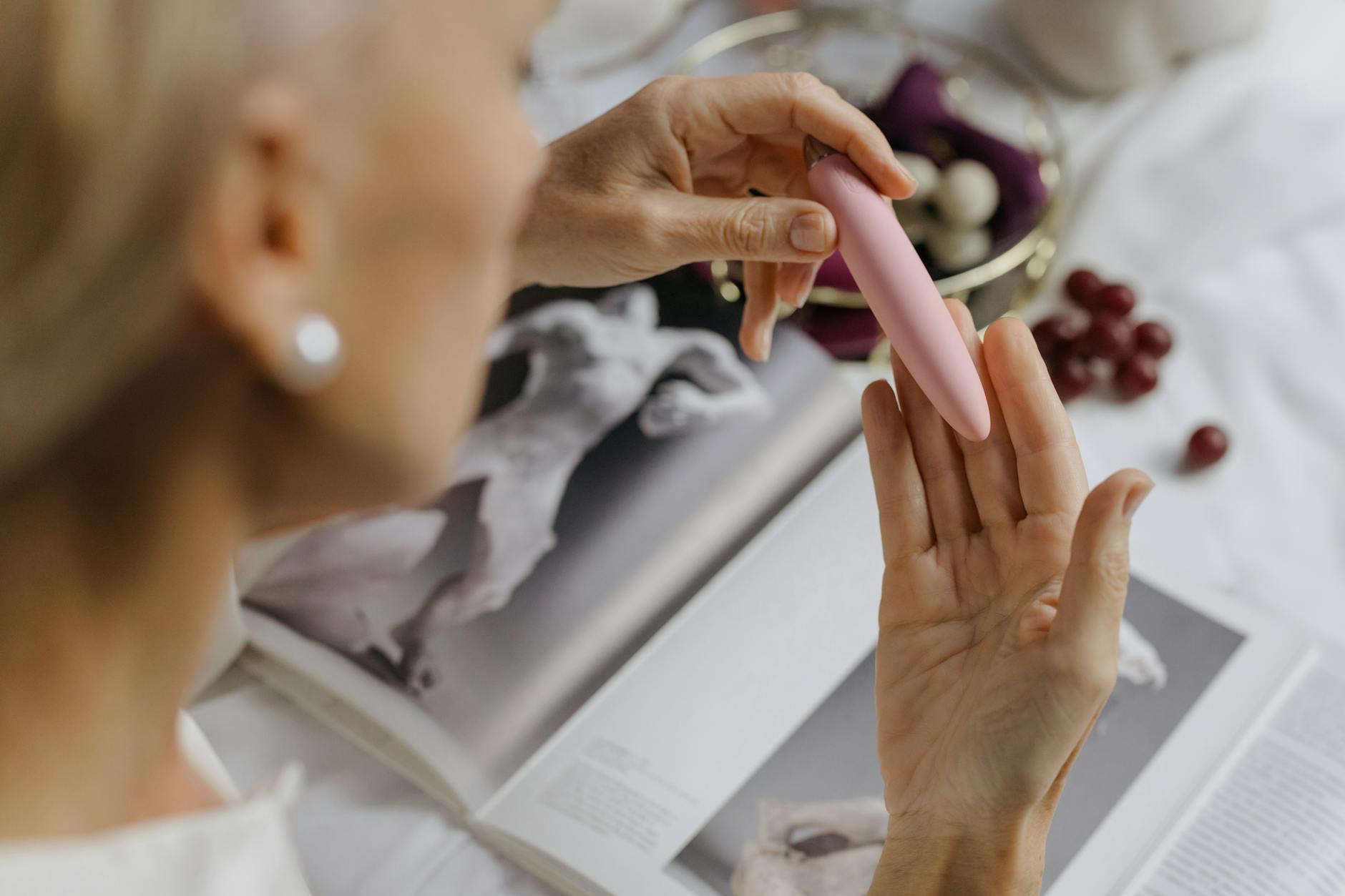
Let's be real about post-surgery numbness
Clitoral numbness after surgery is common, often temporary, and almost always more reversible than it feels in the moment. Whether you had a hysterectomy, vulvar procedure, or any surgery in the pelvic region, the nerves serving the clitoris can get irritated, compressed, or temporarily stunned by inflammation. That doesn't mean they're permanently damaged. It means they're healing.
The catch: healing happens faster when those nerves get appropriate stimulation. That's where clitoral vibrators come in. Not as a miracle fix, but as part of a deliberate recovery toolkit.
What surgery actually does to clitoral sensation
Your clitoris has three main nerve pathways: the pudendal nerve, the pelvic nerve, and the hypogastric nerve. Surgery near any of these routes (even if the clitoris itself isn't directly touched) can cause swelling that temporarily blocks signal transmission. You feel it as numbness or deadness. Sometimes there's also sharp pain mixed in, which actually signals that healing is underway.
The timeline varies wildly. Some people regain full sensation in weeks. Others take months. A few experience persistent changes, though this is rarer than most people fear. The key factor isn't the surgery itself. It's how much inflammation is present and whether the nerves are getting stimulated appropriately as they recover.
Why gentle stimulation helps nerve recovery
Nerves heal through use. This is basic neurology. When you stimulate a nerve pathway, even gently, you're encouraging the body to rebuild the connection and reduce inflammation. It's like physical therapy for your nervous system.
Before full sensation returns, stimulation might feel strange. Numb. Distant. Maybe even uncomfortable. That's normal. Your brain is literally relearning how to interpret signals from that area. Clitoral vibrators work because they provide consistent, low-pressure stimulation that's strong enough to reach numbed nerves but gentle enough not to cause pain or further inflammation.
The suction-style design of devices like Lemon's clitoral vibrator is particularly useful here. Instead of direct friction, which can feel harsh on sensitive or recovering tissue, suction gently engages the nerves without the same mechanical pressure. You get stimulation without irritation.
When it's safe to start
This is the question I hear most often, and the answer matters. Most gynecologists clear patients for sexual activity around 4-6 weeks post-surgery, but clitoral sensation recovery is often slower. A realistic timeline: wait until you've got medical clearance, then start gently around week 6-8.
Before you touch anything, check for these signs:
- Bleeding has stopped or significantly reduced
- Swelling is noticeably going down
- You can walk and sit without sharp pain
- Your incisions are healing cleanly (no signs of infection)
Once those are solid, you can begin. Start with hands only. No toys yet. Gently touch the area outside the clitoris to see what you can feel. This isn't about pleasure. It's diagnostic. You're mapping out what sensation is already returning.
How to introduce stimulation gradually
Week 1-2 of gentle exploration: hands, no vibration. Light touches on the inner thighs, outer labia, and around the clitoral hood. Not directly on the clitoris yet. Spend maybe 5-10 minutes, once every few days. The goal is mapping, not orgasm.
Week 3-4: You can start very light touches directly on the clitoral hood (the skin covering the clitoris). Still no vibration. Still not goal-oriented. If anything feels sharp or intensely painful, back off. Mild discomfort as tissue wakes up is different from pain that makes you tense.
Week 5+: This is when a clitoral vibrator can help. Start with the lowest setting. Apply it to the clitoral hood, not directly on the clitoris itself. Three to five minutes, once every few days. Many people find that having a partner present but not involved helps. You're not performing. You're just noticing what returns.
How clitoral vibrators specifically help
Lemon vibrators, especially the suction-style design, work well during recovery because they:
1. Provide consistent stimulus. Your hand can't vibrate at the same frequency consistently. A device can, which means your nervous system gets a clearer signal to interpret.
2. Don't require you to apply pressure. When you're using your fingers, you're often unconsciously increasing pressure to feel something. A vibrator delivers its stimulus at the same intensity regardless of how hard you're gripping. Less pressure means less inflammation risk.
3. Keep your hands free. This lets you focus on what you're actually feeling instead of managing the mechanics. Mental clarity during recovery matters.
4. Create distance between your conscious effort and the sensation. There's something about handing the stimulation over to a device that takes pressure off. You're less likely to tense up waiting for feeling to return.
Start at the lowest setting. If the lowest setting feels too strong, use it for 30 seconds on, 30 seconds off, on a cycle. This gives your nerves micro-breaks while still providing the stimulus they need to heal.
The emotional piece that most recovery guides skip
Post-surgery numbness hits different emotionally than numbness from other causes. Surgery is invasive. It's intentional trauma for healing. Your body is literally rebuilding. That can feel like grief, especially if you're waiting for sensation to return.
Many of my clients describe it as mourning their body before they mourn the numbness. That's real and valid. And it often makes the process of gentle stimulation feel harder, not easier. You're not just waiting for a body part to wake up. You're processing what it means that it went to sleep.
Here's what I tell people: you don't have to be excited about recovery exploration. You just have to be curious. Curiosity is smaller than hope. It asks less. And it actually works better for nerve recovery because it keeps you from forcing or pressuring the process.
When to talk to your doctor again
Most numbness resolves within 3-6 months. Some takes longer. If you're past 6 months and feeling no change, or if sensation is returning but pain is increasing instead of decreasing, loop in your surgeon or a pelvic floor physical therapist.
They can assess whether inflammation is lingering, whether scar tissue is limiting nerve function, or whether you'd benefit from pelvic floor therapy alongside home stimulation. Some people do. And that's not a failure of the clitoral vibrator approach. It's just adding another layer of support.
A word on patience and timeline expectations
Your clitoris has survived surgery. It's not broken. It's healing. Sensation will likely return. It might feel different than before. It might be stronger, or it might take longer to build. All of that is normal. None of it means you're permanently changed in ways you don't want to be.
Clitoral vibrators aren't magic. But they are useful tools for signaling to your nervous system that recovery is safe and encouraged. Use them gently, consistently, and without pressure to feel anything in particular. The feeling returns when it returns.
FAQ
How long after surgery can I safely use a clitoral vibrator?
Wait for medical clearance first, usually 4-6 weeks. Then wait another 2-4 weeks before introducing vibration. Most people start light exploration around week 6-8 post-op. If your surgery was extensive or complications arose, your timeline might be longer. Always check with your surgeon before introducing any stimulation.
Will using a vibrator slow down my healing?
No. Appropriate stimulation actually speeds healing by encouraging nerve activation. The key is keeping intensity low and frequency conservative (every few days rather than daily). You're not aggressively stimulating. You're gently inviting your nerves to wake up.
What if vibration feels painful instead of numb?
Some pain while healing is normal. Sharp, shooting pain means back off. A dull ache or tingling sensation as you use the vibrator usually means the nerves are waking up. If pain increases over several sessions rather than decreasing, pause and check with your doctor. You might be overstimulating inflamed tissue.
Can I use a Lemon vibrator during recovery if I'm still bleeding?
No. Wait until bleeding has mostly stopped. Introducing any vibration while you're actively bleeding increases infection risk and can disrupt healing tissue. Most people are ready around week 4-5 post-op. When in doubt, ask your surgeon for a specific timeline.
Is it normal that sensation feels weird or distant even when the vibrator is on?
Completely normal. Your brain is literally relearning how to process signals from that area. Sensation might feel dull, distant, tingling, or even slightly painful as nerves reawaken. That weirdness often decreases over weeks as your nervous system recalibrates. You're not doing anything wrong. Your body is just adjusting.
If numbness doesn't improve after three months, what should I do?
Talk to your surgeon or ask for a referral to a pelvic floor physical therapist. They can assess whether inflammation is lingering, whether scar tissue needs attention, or whether additional intervention would help. Some people benefit from pelvic floor therapy, topical treatments, or other approaches alongside home stimulation. Getting professional input after three months isn't failure. It's smart recovery management.