Here's what nobody tells you about new relationship sex
You meet someone great. The chemistry is real. And then you get into bed and... nothing. Your clitoris feels like it's asleep. You're not dry, you're not repulsed, you're just numb. It's like the connection between your brain and your body got cut.
This happens constantly. And it has almost nothing to do with attraction or desire. It's a pattern I see with nearly every new partner scenario. The good news? It's completely reversible, and Lemon vibrators are specifically designed to work with this exact neurological hiccup.
Why new relationships kill clitoral sensation
Your nervous system is still in threat-detection mode. Even when you trust someone intellectually, your body takes time to believe it's actually safe.
When you're with a new partner, three things happen simultaneously. First, there's novelty arousal, which is exciting but also activates your sympathetic nervous system. This is the same system that kicks in during danger. Your muscles tighten, blood flow redirects to major organs, and peripheral sensation dampens. Your clitoris is peripheral. So despite feeling butterflies, you feel nothing where it actually matters.
Second, you're hyperaware of being watched and evaluated. Even if your partner is genuinely into you, something in your lizard brain is cataloguing their reactions, monitoring your own performance, checking whether you're "doing this right." That internal commentary is a pleasure assassin. It splits your attention between sensation and surveillance.
Third, you haven't yet established what I call "nervous system synchrony" with this person. Your body doesn't know their touch patterns yet. You can't predict their rhythm. That unpredictability, no matter how exciting, triggers a low-grade alert state. Your arousal system needs rhythm and repetition to fully engage.
All three of these stack up to create the experience you're having: you're attracted, you want this, but your clitoris is offline.
The neuroscience of numbness (without the jargon)
Think of arousal as a dial with three settings. Setting one is baseline. Setting two is responsive to stimulation. Setting three is fully engaged and sensitive.
With a new partner, you might get to setting two. Your clitoris is responsive if you focus hard on sensation. But you're not hitting setting three, where sensation becomes involuntary and intense. This is the difference between thinking about pleasure and feeling it.
The chemical shift that enables this is a combination of dopamine, oxytocin, and reduced cortisol. When you're new to someone, cortisol is actually elevated. Your body is still slightly stressed, even if you don't consciously feel it. That elevation is just enough to blunt the sensory pathways that feed pleasure.
What's wild is that your clitoris hasn't changed. The nerves are fine. The problem is the gate between sensation and awareness is partially closed. You need something that can bypass the anxiety gate and trigger a strong enough signal that your brain has to pay attention.
That's where clitoral vibrators enter.
How air-suction vibrators work differently in this situation
Most vibrators send oscillating signals directly to nerve endings. That works fine when your system is already relaxed. But when you're in new-relationship mode, your nervous system is protecting itself. It treats gentle vibration like background noise.
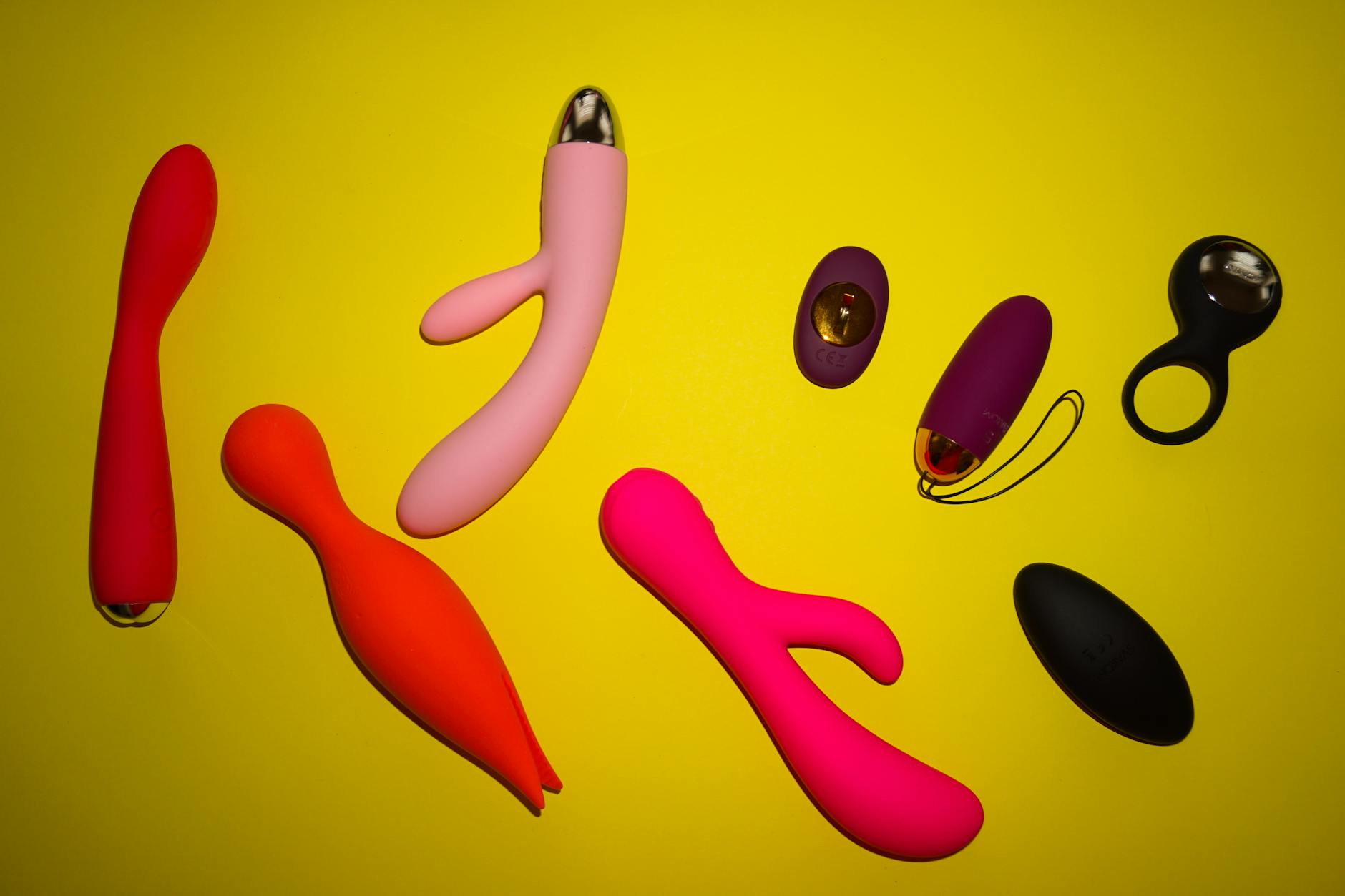
Air-suction technology, like what you get with Lemon vibrators, creates a different signal. Instead of vibration, it builds rhythmic pressure and release. This creates what's called a "proprioceptive" signal. Your body recognizes this as movement and engagement, not just sensation. It's harder to ignore.
The second thing air-suction does is create a feedback loop. When pressure builds and releases rhythmically, your pelvic floor responds involuntarily. That muscular response sends signals back to your brain that something important is happening. This back-and-forth is what breaks through the numbness.
With a new partner, this is crucial. You're not relying on your partner's touch to create the signal. You're controlling the intensity, the rhythm, the timing. That agency alone reduces anxiety.
Using Lemon vibrators to rebuild sensation with a new partner
Here's the practical path.
Start alone first. I know you want to jump to partnered sex. Don't. Give yourself three to five solo sessions with a Lemon vibrator before you try partnered play. This isn't about getting off, though that's fine if it happens. It's about remapping the connection between your clitoris and your brain.
Begin on the lowest setting. Don't chase orgasm. Let the sensation build without agenda. You'll likely feel something shift after two to three minutes. It's often described as a "waking up" feeling. That's your nervous system recognizing that this signal is significant. Stay there for five to ten minutes. You're not trying to orgasm yet. You're rebuilding the neural pathway.
Once sensation returns in solo play, introduce your partner. Here's the key: use the vibrator during partnered sex, not instead of partnered sex. This is not a replacement for their touch. It's a catalyst. It keeps your nervous system in engaged mode while they're doing their thing. You're essentially saying to your body: "This is safe, this is significant, you can feel this."
Ask your partner to stay involved. They can touch other parts of your body. They can watch. They can talk. The vibrator isn't isolating you. It's just removing the "clitoral numbness" problem so you can actually be present with them.
Start with the vibrator on low during foreplay. Let your partner see you use it on yourself. This removes the awkwardness of introducing toys and positions it as part of your pleasure, not as a response to their inadequacy.
The timeline varies. Some people reconnect sensation within two to three sessions. Others need two to three weeks. The variability depends on how much anxiety you're carrying and how much nervous system synchrony you've developed with your partner.
What actually shifts as the relationship deepens
Something interesting happens once your nervous system trusts this person. You stop needing the vibrator for numbness. Not because the vibrator stops working. Because your body has learned that this person is safe. Your cortisol baseline drops. Your sympathetic nervous system stops firing on low alert. And suddenly, direct touch works again.
But here's the thing: just because it works again doesn't mean you should ditch Lemon vibrators. You just use them differently now. Instead of solving a numbness problem, they become a tool for variety, intensity, or exploring different types of pleasure. Many people find they actually like the sensations more once the performance pressure is gone.
The pathway isn't linear. Even in established relationships, new situations can trigger the same numbness. New location. First time doing something different. A period of disconnection followed by reconnection. Your nervous system is always reading the room.
When to be concerned vs when to wait it out
Numberness that improves with vibration or time is normal. Numbness that persists for months despite trying, or numbness that's painful rather than just absent, might signal something else. A conversation with a gynaecologist makes sense in that case.
But if you're in the first month of a new relationship and experiencing clitoral numbness, you're experiencing something neurological, not physical. Your body is protecting itself. Using lemon clitoral vibrators is one of the fastest ways to tell your nervous system "we're safe here" in a language it actually understands.
Frequently asked questions
How long does it usually take for clitoral sensation to return with a new partner?
Most people feel a shift within two to three weeks if they're actively using tools like Lemon vibrators and having regular sex with their partner. Some reconnect within days. If you're seeing no change after a month, that's when you might bring in a therapist or doctor, because it could signal relationship anxiety that needs deeper work.
Can I use a Lemon vibrator during partnered sex if my partner hasn't used toys before?
Absolutely, and honestly, the best way to introduce it is matter-of-factly. Use it on yourself during foreplay, let them see it's part of your pleasure, and invite them to be involved however they're comfortable. Most partners are relieved because it takes pressure off them to "fix" something. Frame it as a tool for enhancing what you two are already doing, not as a replacement.
Is clitoral numbness with a new partner a sign I'm not attracted to them?
Not necessarily. You can be wildly attracted to someone and still experience numbness from new-relationship anxiety. If the attraction is real, sensation usually returns once anxiety drops. If the numbness persists after nervous system adjustment, then yes, attraction might be part of the puzzle. But give it time before concluding that.
Will using a vibrator make it harder to orgasm with a partner's touch later?
No. That's a common myth. Using Lemon vibrators actually trains your nervous system to recognize pleasure signals, making you more responsive overall. You might need vibration temporarily because of anxiety. But rebuilding that neural pathway doesn't damage your capacity for other types of sensation.
What if my partner gets insecure about me using a vibrator?
This is a relationship conversation, not a sexual one. Help them understand that clitoral numbness is about your nervous system, not their touch. You can also reframe it: using a vibrator together is an opportunity to explore shared pleasure, not a threat to theirs. If the insecurity is deep, couples therapy helps. A therapist can normalize toy use and help your partner understand it's not about their adequacy.
How do I know if numbness is new-relationship anxiety or something physical?
Try using a vibrator alone first. If sensation returns in solo play, it's nervous system based. If numbness persists even with a vibrator on the highest setting, or if there's pain involved, that's time to see a doctor. Physical causes are less common but they do happen. Ruling them out early saves frustration.
The reality of new relationship pleasure
New relationships are neurologically overwhelming. Your brain is processing novelty, assessing safety, managing attraction, and trying to perform all at once. Something has to give. Usually, it's peripheral sensation.
This isn't a flaw in you. It's how nervous systems work. But you have tools now. Lemon vibrators are designed specifically to work with your nervous system, not against it. They create a signal strong enough to bypass anxiety and reconnect you to sensation.
Start solo. Move to partnered when it feels right. Trust your timeline. The numbness isn't permanent. Your body just needs a little help remembering that pleasure is possible here.
If you're navigating relationship shifts or want to explore this deeper, reach out. That's what I'm here for.