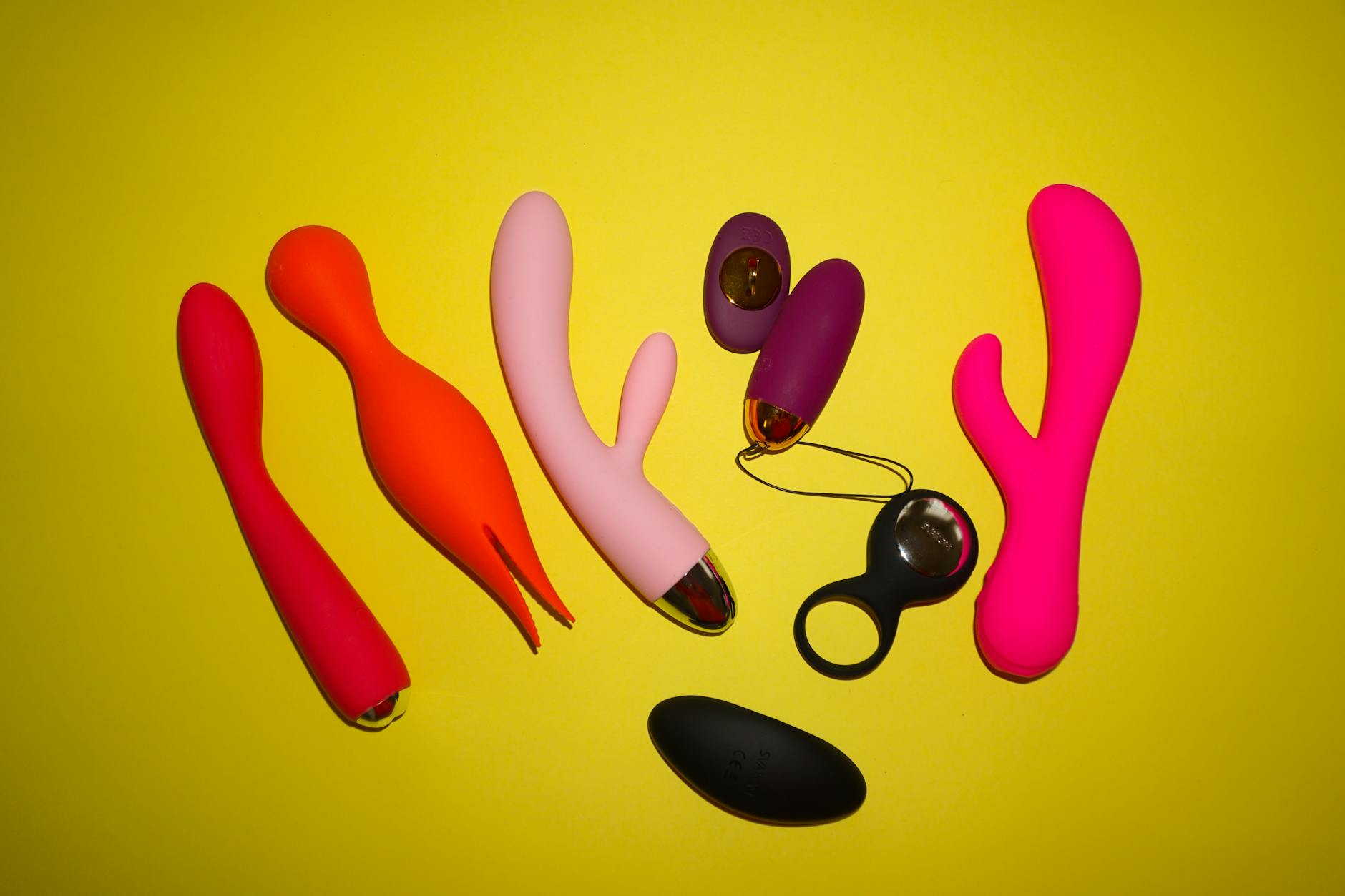
Let's talk about the antidepressant side effect nobody wants to discuss
You started an SSRI because your anxiety was crushing you. Or depression. Or both. And it worked. Your mood lifted. But then something else changed: your body went quiet. Clitoral sensation dulled. Orgasms became harder to find, or disappeared entirely. You're not alone. Between 40 and 60 percent of people taking SSRIs report sexual side effects. Most doctors don't volunteer this information.
Here's what's actually happening, and why Lemon vibrators can be a genuine game-changer when antidepressants are dampening your pleasure.
Why SSRIs mute clitoral sensation
SSRIs work by increasing serotonin in your brain. Serotonin is great for mood. It's terrible for arousal. Here's why: serotonin inhibits dopamine, and dopamine is what drives sexual desire and pleasure sensation. More serotonin means less dopamine, which means your nervous system receives signals more slowly and less intensely.
The specifics matter. Antidepressants don't just turn off desire. They delay nerve signal transmission. Your clitoris is receiving stimulation, but the signal to your brain is getting there more slowly and with less intensity. It's like someone turned down the volume on your pleasure.
This affects everyone differently. Some people lose desire completely. Others find orgasm takes twice as long. Some experience numbness in genital tissue specifically. The dose matters too. Higher doses mean stronger effects.
The three things most people try first (and why they often fail)
When pleasure stops, most people reach for intensity. They buy a stronger vibrator. They try faster patterns. They add more stimulation.
Wrong direction.
Your body isn't broken. It's receiving signals slower. Adding more intensity doesn't speed that up. It just adds frustration.
The second thing people try is switching medications. Sometimes this works. Sometimes it doesn't, and the new drug has its own side effects. It's also not always an option if the current medication is working for your mental health.
The third thing is giving up. Assuming pleasure is just gone now. This is what I see most often in my practice, and it's the saddest outcome because it's not true.
Why air-suction Lemon clitoral vibrators work differently
Most vibrators work through vibration patterns. Your clitoris receives oscillating pressure at various frequencies. With dampened sensation, you need the signal louder.
Air-suction technology (like Lemon's clitoral vibrator designs) works through a different mechanism entirely. Instead of vibration, suction creates a gentle pulsing pressure that stimulates a larger surface area of clitoral tissue at once. This distributes the signal across more nerve endings, which means even with delayed sensation, more of the signal gets through.
It's not just stronger. It's broader. And that matters when your nervous system is running slow.
Second, air-suction patterns can be gentler and longer. A traditional vibrator at high intensity might feel overwhelming. Lemon suction toys let you start at patterns 1 or 2 and spend 20-30 minutes building sensation gradually. That timeline actually works with antidepressants instead of against them.
The actual strategy for restoring pleasure on antidepressants
Three things change when you're working with dampened sensation:
1. Abandon speed. Embrace time. If you're accustomed to 10-minute sessions, budget 25-40 minutes. Your body needs that timeline to build arousal through a slower channel. There's no shortcut. Your partner needs to understand this isn't about them or attraction. It's pharmacology.
2. Start lower and climb slower. Begin on pattern 1 or 2 on your Lemon clitoral vibrator, even if you think you need more. Spend 5-10 minutes there. The goal isn't immediate intensity. It's consistent, patient signal accumulation. Your nervous system will respond, but it needs time to find the pathway.
3. Layer stimulation, not intensity. Instead of turning up the pattern, add a second point of contact. Many people find that while clitoral sensation is muted, vulval sensation or inner thigh sensation isn't. A second toy or hand touch elsewhere can help your nervous system integrate signals more effectively.
When to talk to your prescriber
If sexual side effects are severe and persistent, your doctor has options.
Switching the timing of your dose sometimes helps. If you take your SSRI in the morning, taking it at night might shift when side effects peak. Lowering the dose (if your mental health allows) might reduce sexual effects without losing medication benefits.
Adding bupropion (Wellbutrin), which increases dopamine, can sometimes counteract sexual side effects. It's not a universal fix, but it works for some people.
Other antidepressant classes have different side effect profiles. Mirtazapine and tricyclic antidepressants, for example, are sometimes associated with fewer sexual side effects than SSRIs. But switching medications is a decision that needs your doctor's input.
The key is this: sexual side effects from antidepressants are not a personal failure. They're a known, documented pharmacological effect. Your doctor should take them seriously if you raise them.
What actually happens over time
I've worked with dozens of clients navigating this exact situation. The timeline usually looks like this:
Weeks 1-3 with a Lemon clitoral vibrator at longer sessions: you start noticing sensation returning. Not the same sensation as before medication. Different. Less spontaneous. But present.
Weeks 4-8: orgasm returns, often with a different feeling. Not necessarily worse, just different. Sometimes people report that once they accept this new baseline, the pleasure is actually deeper because they're more conscious of the sensations.
Months 3+: most people find that the new pleasure baseline stabilizes. Some people eventually regain some of the spontaneity they lost. Some don't. Both are normal.
The conversation you might not be having
One more thing. If you have a partner, they might be internalizing your sexual side effects as rejection. They're not. Explaining the mechanism helps: "My brain is processing pleasure signals slower right now. This isn't about you. I need longer warmup and gentler patterns, and it might feel different." This is information, not criticism.
Lemon clitoral vibrators work because they meet your body where it actually is, not where you wish it was. That might be the most important part of this whole conversation.
People also ask
Can I use a Lemon clitoral vibrator safely while taking SSRIs?
Completely safe. There are no contraindications between antidepressants and vibrators. The only caution is patience with yourself. Your body needs more time and different stimulation patterns than it did before medication. A Lemon vibrator is a tool, not a magic fix. It works because air-suction technology aligns with how dampened sensation actually responds to stimulation.
How long does it usually take to regain sensation after starting antidepressants?
It varies widely. Some people notice improvement within weeks of changing their approach to stimulation. Others take months to find patterns that work. The key is that sensation doesn't have to fully return to the pre-medication baseline for pleasure to be real and satisfying. Different isn't the same as broken.
Should I switch antidepressants to get my sex drive back?
Not necessarily. Switching medications means restarting treatment, possible new side effects, and taking a mental health risk to restore pleasure. Often a better strategy is working with your prescriber on timing adjustments, adding complementary medication, or changing how you approach stimulation (like using a Lemon clitoral vibrator with longer sessions). Medication that's working for your mental health is usually worth the sexual side effect adjustment.
What's the difference between numbness from antidepressants and numbness from other causes?
Antidepressant-related numbness typically: happens shortly after starting or increasing dosage, affects the whole clitoral area somewhat evenly, and doesn't involve pain or texture changes. Other causes like nerve damage or vulvodynia usually have different timing patterns or additional symptoms. If you're unsure, your gynecologist can help clarify.
Can my partner help with this?
Yes. Partners can help by understanding the timeline, being patient with longer sessions, and avoiding the assumption that slower response means lower attraction. Many couples find that working through antidepressant-related sexual side effects actually improves communication and intimacy because they have to be more intentional and explicit about what's happening. That foundation often lasts even after sensation returns.
Is this permanent?
Not necessarily. Some people regain full sensation over time as their body adjusts. Others find a new normal that feels different but genuine. Some people work with their prescriber to adjust medication in ways that reduce sexual side effects while maintaining mental health benefits. There's no single permanent outcome. Your body is an experiment, and patience is the only strategy that works.
The bottom line
Antidepressants save lives. They're also allowed to have side effects that are worth discussing and addressing. You don't have to choose between mental health and pleasure. You choose to be intentional about both.
A Lemon clitoral vibrator isn't a replacement for medication conversations with your doctor. But it's a specific tool designed for bodies that need gentler, broader stimulation patterns. That might be exactly what antidepressants require.
If you're navigating this, you're not broken. Your nervous system is just processing things differently right now. That's manageable. It's also worth talking about with the people who prescribe your medication and the people you're intimate with. Both conversations matter.
Want more strategies for intimacy navigating medication side effects? Reach out.