Let's start with what you're actually experiencing
You used to know your body. You could predict what would work, when, and how quickly. Now? Some days your clitoris feels like it's waking up halfway through, other days nothing lands until you're already frustrated. This isn't random. It's hormonal, and it's fixable.
Hormone levels don't stay stable. Birth control, perimenopause, thyroid shifts, even changes in medication can recalibrate how your nervous system responds to touch. Your clitoris hasn't changed. Your threshold has.
Why sensation becomes inconsistent after hormonal shifts
Your clitoris contains roughly 8,000 nerve endings. That's a lot of neurological real estate, and all of it responds to estrogen. When estrogen fluctuates, blood flow to genital tissue changes, tissue thickness shifts slightly, and the way those nerve endings fire changes too.
This isn't the same as losing sensation entirely. It's more like your body's dimmer switch is set to a different level each day. One day you're at 60 percent sensitivity, the next day you're at 40, or 80. Arousal patterns get erratic. What worked last week might feel too gentle this week.
Three things compound this:
- Unpredictability breeds frustration. Your brain starts anticipating failure before your body even has a chance to respond. You tense up. Tension makes arousal harder.
- You second-guess yourself. Is this the new normal? Am I broken? Will it come back? That mental load kills arousal faster than hormones ever could.
- Traditional vibrators make it worse. A standard buzzing vibrator demands a threshold of sensitivity just to feel it. On low-sensation days, you're pressing harder, getting frustrated, which makes the next day's arousal even harder to access.
Why Lemon clitoral vibrators work differently for inconsistent sensation
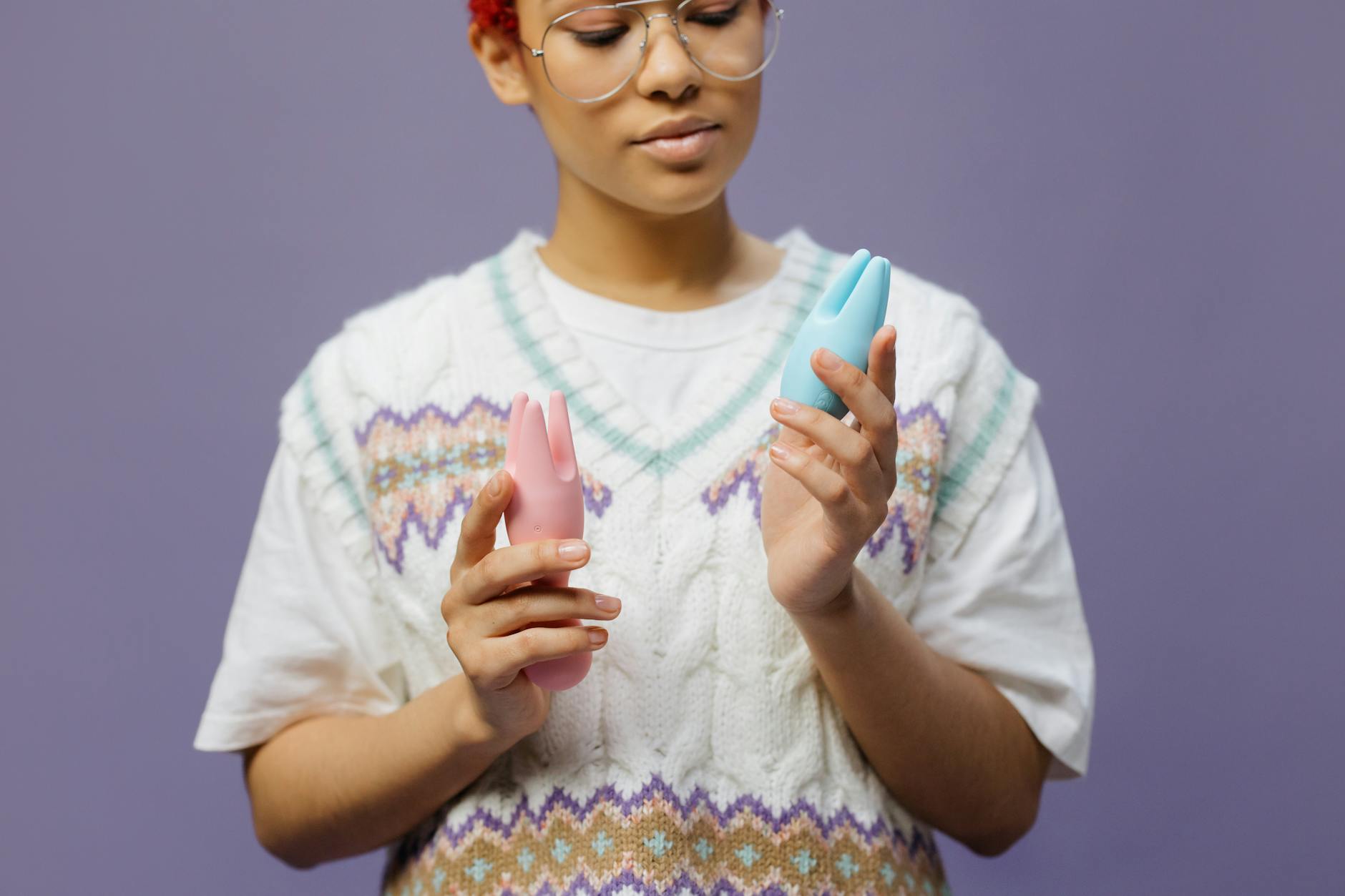
Here's the critical distinction: Lemon vibrators use suction and gentle pulsing instead of pure vibration. That matters more than you'd think.
With a suction vibrator, you're not fighting to reach a sensitivity threshold. The stimulation works differently. Instead of needing your nerve endings to be firing at a certain intensity, suction creates a gentle pulling sensation that engages the entire clitoral structure, not just the surface. On high-sensation days, you feel intensity. On lower days, you still feel something meaningful because the mechanism isn't relying on your body hitting a sensitivity mark.
The Lem vibrator's rhythmic patterns also matter. Unlike one-speed buzzers, patterned stimulation can actually help your nervous system recalibrate. Your brain isn't just receiving raw sensation. It's receiving rhythm, which can help rebuild predictability.
Translation: you get pleasure even when your hormones are playing games.
How to use a Lemon vibrator when sensitivity shifts day to day
First, stop trying to use the same settings every day. That's fighting your biology instead of working with it.
Instead, develop a quick sensitivity check before you start. This takes 30 seconds. Use your finger to gently touch your clitoris. Does light pressure feel good? Does it feel numb? Is it tender? Let that tell you which pattern to start with on the Lem vibrator.
On high-sensitivity days: Start on pattern 3 or 4. Your threshold is lower, so jumping straight to patterns 1 or 2 might feel underwhelming or overstimulating. You have room to adjust upward if needed.
On medium days: Patterns 1 and 2. These give you room to escalate if arousal builds slowly, or you can stay steady if you reach climax quickly.
On low-sensitivity days: Pattern 1, absolute minimum. Spend longer in foreplay. Let your arousal build gradually. The suction mechanism means you don't need to reach a high sensitivity threshold to feel pleasure.
One crucial thing I tell clients: give each session at least 10-15 minutes of warm-up before using any vibrator. When sensation is inconsistent, rushing doesn't help. Slow arousal helps your nervous system recalibrate and often makes sensation sharper by the time the vibrator arrives.
The role of lubrication in inconsistent sensation
Hormonal fluctuations often come with changes in natural lubrication. Drier tissue can feel less sensitive because there's friction and tension instead of glide. This is a physical problem with a physical solution.
Use a water-based lubricant every single time, regardless of whether you think you need it. When sensitivity is unpredictable, lubrication stabilizes the experience. Your clitoris gets consistent contact, tissue stays supple, and the Lem vibrator can do its job without friction getting in the way.
Better lubrication often means more sensation returns within the first few sessions.
Building consistency back into your nervous system
Your body learns through repetition. When you use a lemon clitoral vibrator regularly with a consistent routine, your nervous system starts to anticipate pleasure again. This isn't magic. It's neuroscience. Predictable stimulation rebuilds the neural pathways that hormonal shifts temporarily disrupted.
I recommend settling into a rhythm: same time of day if possible, same warm-up routine, same vibrator. For three weeks, don't chase intensity. Chase consistency. Let your body remember what reliable pleasure feels like.
By week three or four, most people report that sensation feels more predictable. Not identical every day. But no longer random.
When to talk to a doctor
If sensation disappeared completely and hasn't returned in three months, or if you're experiencing pain alongside inconsistent feeling, see a gynecologist who specializes in sexual health. Some hormonal shifts (like those caused by certain medications) need clinical attention, not just a better vibrator.
But inconsistent sensation that comes and goes? That's the normal frustrating spectrum of what hormonal changes do, and it's absolutely addressable with the right approach.
The patience piece
Here's what I know: people get angry at their bodies during hormonal transitions. You used to work. Now you're confusing. That's grief, and it's valid. But your body isn't broken. It's adjusting. The Lem vibrator isn't fixing anything that's wrong. It's helping you work with your body's new baseline while your hormones settle.
Some shifts are temporary. Birth control changes settle down after three months. Perimenopause waves come and go. Other changes are permanent, like post-menopause. Either way, consistency is possible. It just requires patience, the right tool, and permission to stop expecting yourself to perform at yesterday's standards.
You're not less. You're different. And different can be just as good.
Frequently asked questions
Can hormonal birth control cause clitoral sensation to become inconsistent?
Yes. Birth control manipulates estrogen and progesterone levels, which directly affect blood flow and nerve sensitivity in genital tissue. Many people on hormonal contraceptives report that sensation shifts as their body adjusts to the hormone dose. Some people adapt within three months. Others find a different birth control method feels better. A conversation with your prescribing clinician can help you understand whether your specific method is the culprit.
How long does it take for clitoral sensation to stabilize after hormonal changes?
It depends on the cause. If you've just started or switched birth control, give it 8 to 12 weeks before deciding if it's the new normal. For perimenopause or post-menopause, sensation typically stabilizes over 3 to 6 months once you establish a consistent stimulation routine. Thyroid changes or medication adjustments can take 6 to 8 weeks. The key is not assuming it's permanent after a few bad days.
Is inconsistent clitoral sensation a sign that something is wrong with me?
No. Sensation fluctuates naturally with hormones, stress levels, sleep, hydration, and where you are in your cycle. What makes it feel "wrong" is the expectation that your body should feel the same every day. It doesn't. That's not a defect. That's biology.
Why does a Lemon vibrator help more than a traditional vibrator when sensation is unpredictable?
Traditional vibrators rely on pure vibration frequency, which requires a certain baseline of sensitivity to register. When sensitivity is low, you might not feel a difference between settings. Lemon clitoral vibrators use suction and pulsing patterns that engage the entire clitoral structure, not just the surface. This means you get meaningful stimulation even on low-sensitivity days. The patterned approach also helps rebuild neural responsiveness over time.
Can stress make clitoral sensation worse during hormonal changes?
Absolutely. Stress triggers cortisol release, which suppresses arousal hormones and diverts blood away from genital tissue. If you're dealing with hormonal shifts plus anxiety or life stress, your sensation problems aren't just biochemistry. They're compounded. A Lemon vibrator used during dedicated relaxation time can help interrupt that loop by reminding your nervous system what pleasure feels like, which can gradually lower overall stress response.
Should I try different lubricants if sensation stays inconsistent?
Yes. Some people find that silicone-based lubricants feel slicker and more sensation-enhancing than water-based, but silicone lubes can degrade silicone sex toys. Stick with water-based, but experiment with brands. Some are thicker, some more slippery. A thicker lube might help on low-sensation days by creating more sustained contact. A slicker lube might feel better on high-sensitivity days.
Is it normal for clitoral sensation to change permanently after menopause?
Yes, but permanent doesn't mean it gets worse. Sensation does change after menopause because tissue is thinner and blood flow decreases. Many people find that sensation becomes more concentrated rather than less. Fewer nerve endings firing more intensely can actually create sharper orgasms. The catch is that arousal takes longer and lube becomes non-negotiable. How to use a Lemon vibrator with these changes is its own conversation, but the core principle is the same: work with your body's new baseline, not against it.
Final thought
Inconsistent clitoral sensation after hormonal shifts is one of the most under-acknowledged frustrations people experience. You're not imagining it. Your body isn't punishing you. Your hormones are just recalibrating, and your pleasure system is caught in the middle.
The Lem vibrator works here because it doesn't demand your body hit a certain sensitivity threshold. It meets you where you are, day by day. And given enough consistent practice, it helps rebuild the neural pathways that make arousal predictable again.
Your body's still yours. It's just speaking a new language right now. Learning that language takes patience. But it's worth it.