Let's be honest about starting over
Sex with a new partner hits different when you've been through loss, divorce, or a long stretch of being solo. Your body feels like a stranger's. You're not sure what you like anymore, or whether you still like it the same way. There's a particular kind of vulnerability in that uncertainty. And there's a very real risk of performing pleasure instead of actually feeling it.
This is where using a lemon clitoral vibrator on your own becomes less about solo play and more about excavation. You're not just getting off. You're rediscovering what your body actually responds to, away from the weight of being watched or the pressure to come on someone else's timeline.
Why pleasure solo comes first
Here's what I've learned from years of working with couples navigating new relationships: the sex is better when both people know their own bodies first. Not eventually. First.
When you come into a new relationship having spent time with yourself (literally and otherwise), three things shift. One, you know what rhythm works for you. Two, you can actually receive pleasure instead of monitoring whether your partner is enjoying themselves. Three, you stop treating your orgasm like a performance metric and start treating it like information about what feels good.
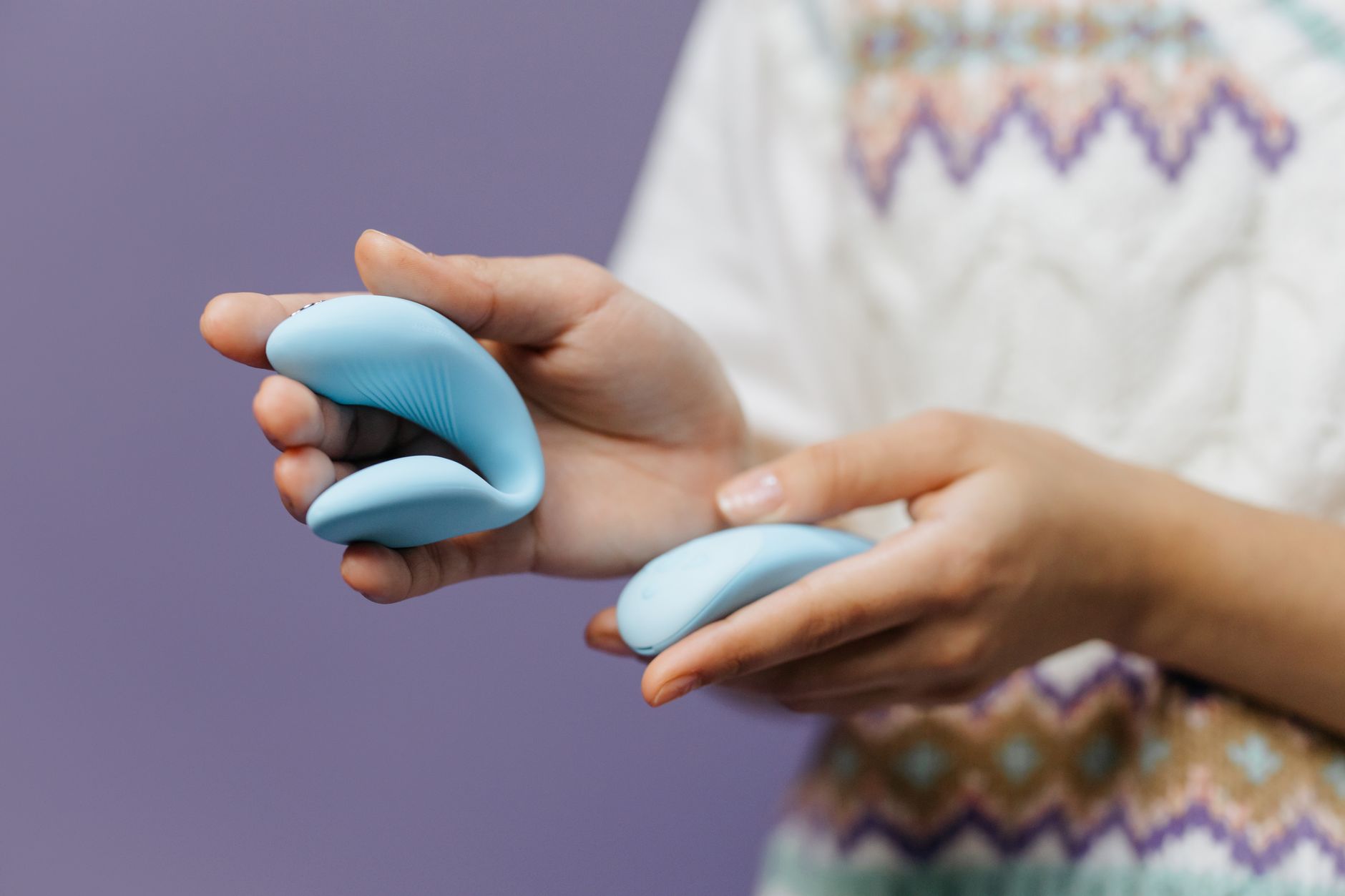
A lemon vibrator, especially something like the Lem with its unique suction technology, makes this excavation precise. You can test different patterns, pressure levels, and timing without the cognitive load of managing someone else's experience. You're collecting data on your own pleasure in the cleanest possible way.
The phases of reconnection
Phase one: Solo rediscovery (weeks one through three). Use your vibrator alone, without any timeline or goal. Experiment with every pattern on the Lem. Notice which ones make your breath catch. Which ones feel too intense. Which ones build slowly versus the ones that spike fast. This isn't meditation. You're literally learning your pleasure map again.
Phase two: Naming what you find (weeks three through six). By now you know something. You know "pattern three at 60% intensity makes my entire pelvic floor light up" or "I need at least ten minutes of warm-up before I want intensity." Write it down if you want, but definitely tell someone. Ideally your partner.
Phase three: Introduction (weeks six through ten). Use your vibrator with your partner present. Not necessarily to orgasm. Maybe you're just showing them what patterns you like. Maybe they're watching. Maybe they're using a different vibrator on themselves simultaneously. The point is: they see you knowing what you want.
Phase four: Integration (month three onward). Your vibrator becomes part of partnered sex the way it fits naturally. Sometimes that's foreplay. Sometimes it's during penetrative sex. Sometimes it's the main event. The key is that by now, you've already done the work of separating "what my partner thinks is sexy" from "what my body actually needs."
What to tell your partner (and when)
Look, the conversation about toys can feel loaded if you're early in a relationship and worried about being perceived as needy or difficult. Here's the frame that actually works: this isn't about him or her. It's not a referendum on their skill. It's about you having been through something (divorce, grief, time alone, whatever brought you to this moment), and you're taking time to reconnect with yourself. A vibrator is a tool for that work.
Most partners respond well when you frame it as self-knowledge, not self-soothing. "I'm spending some time figuring out what I actually like" is different from "I'm not satisfied." One is exploration. The other sounds like blame.
If your partner is threatened by toys, that's useful information. It usually means they're anxious about performance or worried they're being replaced. Those are conversations worth having, but they're not conversations about the vibrator. They're conversations about what he or she needs to feel secure. Once you know that, you can figure out if this is someone worth rebuilding with.
Why clitoral vibrators matter specifically for this phase
When you're rebuilding pleasure with a new partner, speed and predictability are features, not bugs. A clitoral vibrator like the Lem works reliably. It doesn't depend on your partner's mood or your synchronization or the angle being exactly right. It works the same way every time, which means you can isolate what you like and separate it from the noise of a new relationship.
Clitoral stimulation also bypasses a lot of the performance anxiety. Penetration often carries emotional weight: Are we moving toward something? Is this going somewhere? Clitoral stimulation is simpler. It's pure sensation. For someone rebuilding, that clarity is everything.
Managing the vulnerability piece
Using a vibrator in front of a new partner requires a specific kind of confidence. Not confidence that you look hot. Confidence that your pleasure matters and is worth taking seriously. If you're not there yet, that's why phase one exists. You spend weeks alone, building that confidence solo, before you ever invite them into the room.
When you do introduce your partner to your vibrator practice, you're not asking permission. You're inviting participation in something you've already claimed for yourself. That's a huge difference in the energy.
Start small. Maybe you use it during foreplay and they just watch. Maybe you use it while they're inside you. Maybe you use it right after sex as a way of extending your own pleasure. The structure matters less than the fact that you're comfortable enough with yourself to let them see you prioritize your own body.
What happens when you skip the solo phase
I see this all the time: someone meets someone new, feels intense attraction, wants to skip ahead to partnered sex with toys immediately. The problem is, you end up using the vibrator as a tool to keep up with his or her pace instead of a tool to discover your own.
That's when toys become another performance metric. Another thing you "should" be able to do. If that's where you are, pause. Go back to phase one. Use your vibrator alone for three weeks. You'll be surprised how much shifts when you remove the witness.
The right lemon vibrator for each phase
If you're just starting out, something like the Lem is reliable precisely because it does one thing really well. Clitoral suction feels different than traditional vibration, and for a lot of people rebuilding, that difference is exactly what helps them feel something they haven't felt in a while. The sensation is precise without being harsh.
As you move into phases two and three, you might explore different patterns or intensities. But honestly, most people land on one or two settings and stay there. Simplicity is the point.
When to bring it into shared space
This is the practical question. When does it stop being solo practice and become something you do together? The answer is: when you're bored doing it alone and curious about what happens with someone else in the room. When you know what feels good and you want to see if it still feels good while you're kissing someone. When you trust them enough that being seen is less scary than being alone.
There's no timeline. Some people move through these phases in six weeks. Some take six months. Both are right. The only wrong thing is to skip ahead because you think you "should" or because your partner is ready and you're not.
The deeper work underneath
Here's what rebuilding pleasure with a new partner is really about: it's about deciding that you deserve to feel good. Not eventually, after you've proven yourself to be a "good" partner. Not after you've performed pleasure convincingly enough. Now. Your body, your pleasure, your time to rediscover what you like.
A vibrator is the tool. But the real work is permission. You're giving yourself permission to be selfish about your own sensation. To not worry whether your partner thinks you're hot enough or kinky enough or needy enough. To just ask: what does this feel good?
Once you've done that work solo, everything with your partner gets easier. Because you're not coming into sex from a place of uncertainty or hope that they'll help you feel something. You're coming in knowing what you like, and asking if they want to be part of that. That's a completely different energy.
People also ask
Is it weird to use a vibrator when you're with someone new?
Not even slightly. It's actually one of the most direct paths to better sex together. A lot of people assume that toys mean something's wrong. The opposite is true. Toys mean you're taking your own pleasure seriously enough to get specific about what you like. That's attractive, not threatening.
Should I tell my new partner I'm using a vibrator before they find out?
Yes. Not as a confession, but as information. The conversation can be simple: "I'm using a vibrator to figure out what I like. Want to be part of that eventually?" Most people say yes. The ones who say no are usually working through their own stuff about performance or control, and that's useful to know early.
What if my new partner feels insecure about me using a vibrator?
That's real, and it's worth taking seriously. But not by stopping. Instead, have a conversation about what the insecurity is actually about. Is he worried you like the vibrator more than him? Is she worried you're not satisfied? Is there something about being watched that makes them feel vulnerable? Once you know the actual fear, you can address it. Usually it's not about the tool. It's about something deeper.
How long should I wait before introducing toys into partnered sex?
Until you're comfortable using one alone. That's the real timeline. Some people get there in three weeks. Some take three months. Neither is wrong. Just don't introduce it because you think you "should" or because you feel pressure. Do it when you're curious, not when you're anxious.
Can I use the same vibrator solo and with my partner?
Absolutely. A lot of people do. The vibrator doesn't belong to one context or the other. It's just a tool that happens to feel good in multiple situations. The only reason to have separate ones is if you want to, not because you have to.
What if we use the vibrator and I still don't come?
That's information, not failure. It might mean you need more time, or a different setting, or less pressure. It might mean you're anxious or distracted. Use that information to adjust. Maybe next time you use it solo first to get comfortable, then introduce your partner. Or maybe you need a different rhythm. The point is to stay curious instead of turning it into a performance problem.
The real work starts here
Rebuilding pleasure with a new partner is less about technique and more about permission. Permission to know yourself. Permission to be selfish about your own body for a while. Permission to say "this is what I like" without apologizing for it.
A clitoral vibrator like the Lem is just a tool for that work. But the work itself is yours to do. And it's worth doing before you invite someone else in. Your future partnership will thank you.