Let's start with the hard truth
Antidepressants work. They quiet the noise in your head, stabilize your mood, give you the mental space to live. And they almost always change how sex feels. Not in a way you can wish away. Not something that fixes itself if you just relax more. The medication literally alters the neurochemistry that creates arousal and orgasm.
Here's what I tell clients: this is a real trade-off, and it matters. But it's also solvable. The fix isn't switching medications (though that's worth discussing with your prescriber). It's understanding what's happening, and then using tools like lemon vibrators that work WITH your body instead of against it.
How SSRIs and SNRIs change arousal
Most antidepressants work by keeping serotonin in the gap between brain cells longer. That's great for mood. It's terrible for sexual response because serotonin actively dampens the dopamine and norepinephrine that fuel desire and orgasm.
Specifically, here's what happens:
Arousal takes longer to build. Your brain still knows the difference between bored and interested, but the pathway from interested to actually turned on stretches out. What used to take 10 minutes now takes 20 or 30. That's not laziness. That's pharmacology.
Sensation dulls slightly. You don't lose feeling entirely. But the pleasure signal is quieter. It's like listening to your favorite song with earplugs in. Still good. Not as vivid.
Orgasm gets harder to reach. Sometimes impossible. For people on SSRIs, delayed or absent orgasm happens in roughly 30 to 60 percent of cases, depending on the drug. Most prescribers don't mention this upfront. I wish they did.
The frustration is real. You feel better mentally than you have in years. And you can't access something that used to be simple. That specific anger is legitimate.
Why standard vibrators don't cut it anymore
When sensation is muted, direct vibration often feels like background noise. You need more, or you need different. This is where lemon adult toys and other clitoral suction toys become genuinely useful.
Here's the difference: vibration moves back and forth. Fast. Your brain gets used to it. Suction is sustained pressure followed by release, over and over. It mimics the sensation of oral sex more closely than any vibrator ever could. For someone whose nerve ending signal is already dampened, that sustained, rhythm-based stimulation registers louder.
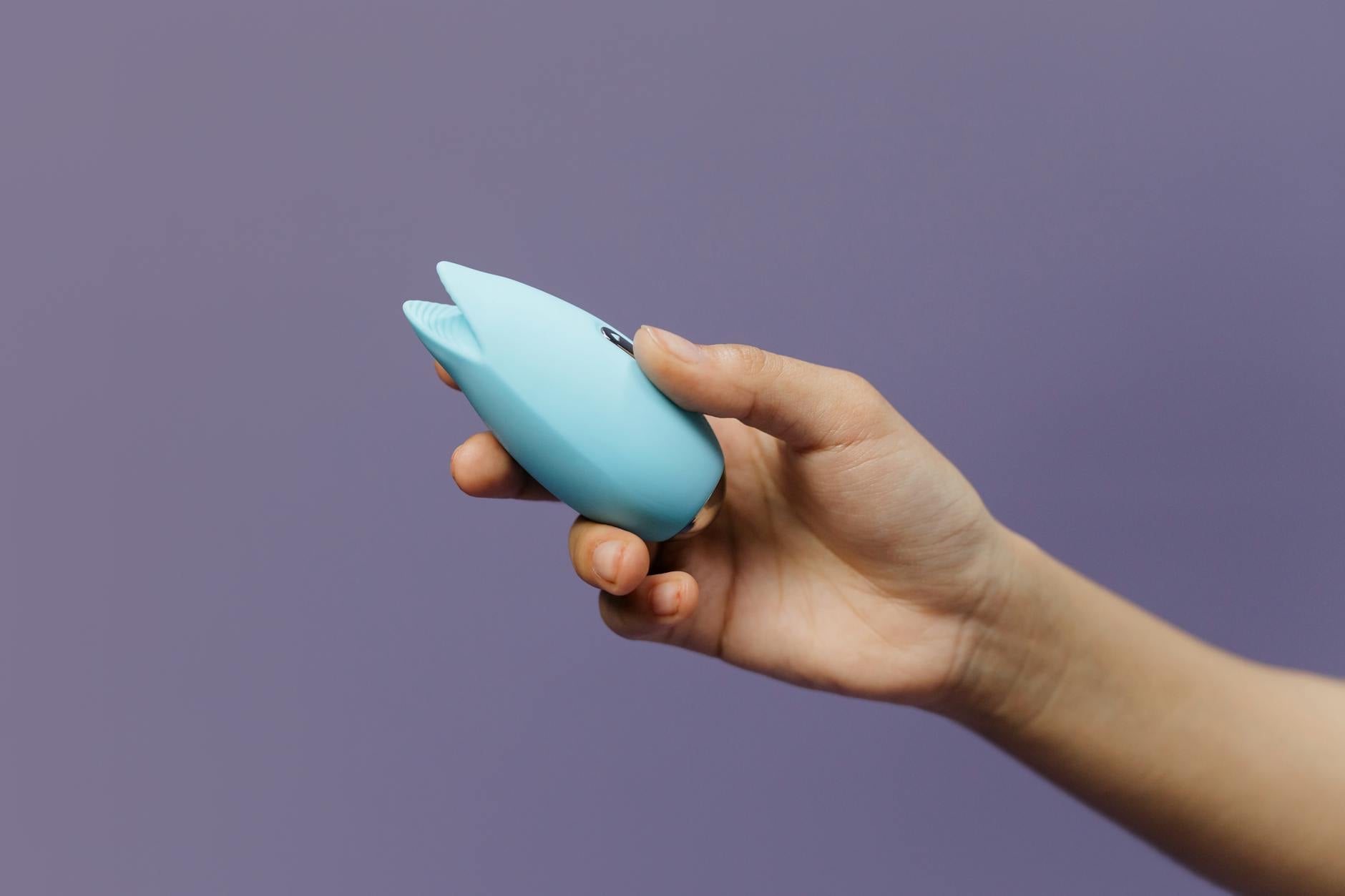
The Lem vibrator, for example, doesn't rely on speed alone. It combines suction with micro-vibrations, which creates a compound signal. If your medication has turned the volume down on arousal, that compound signal is often audible in a way a standard vibrator simply isn't.
The arousal rebuild strategy
If you're on antidepressants and your sex drive is flatlining, here's the path that actually works:
First: talk to your prescriber. Ask specifically about sexual side effects. Not all SSRIs cause the same level of dysfunction. Bupropion (Wellbutrin), for instance, is far less likely to affect arousal than sertraline. Switching medications or adjusting timing (taking your dose after sex rather than before) sometimes helps. Your doctor might also suggest adding something like bupropion to your current med to counteract the sexual dampening. This conversation is worth having.
Second: accept that arousal now requires intention. This isn't a failure on your part. You're not broken. You're on a medication that changes the rules. With intention comes planning. Yes, spontaneity gets harder. But many people find that scheduled intimacy with a partner is actually deeper and more connected than spontaneous sex ever was. You're showing up. You're invested. That matters.
Third: upgrade your tools. Lemon clitoral vibrators, specifically suction-based designs, work because they bypass the problem rather than trying to overcome it. You're not fighting your medication. You're using a device that produces a signal strong enough to get through the fog.
Start at the lowest setting. Give yourself 20-30 minutes. The goal isn't to white-knuckle an orgasm into existence. The goal is to find the signal again. To remember what pleasure actually feels like.
Layering pleasure back in
One client I worked with described antidepressant-induced sexual dulling as "everything's underwater." She was right. The fix isn't to drain the water. It's to get louder.
Try this approach:
Extend your warm-up. Use lemon sexual toys much earlier than you think you need to. Don't wait until you're already aroused. Get curious 30 minutes before you expect to have sex. Let your body warm up gradually.
Combine sensations. A lemon vibrator solo is good. A lemon vibrator plus a partner touching you elsewhere is better. Your brain has more signals to process. More data. More reason to wake up.
Experiment with timing. Some people find that morning sex works better because medication levels are slightly different. Others prefer late afternoon. There's no rule here except your own data.
Stop the performance trap. If you're faking it to avoid disappointing your partner, you're teaching your nervous system that this isn't safe. Faking orgasm when you're on antidepressants is like deadlifting with bad form. You're just strengthening the wrong pattern. Learning to rebuild sexual confidence after years of faking orgasms is a separate, crucial conversation.
What actually changes with the right tools
I don't want to oversell this. A lemon vibrator isn't a magic fix. It won't "cure" your medication's sexual side effects. What it will do is restore access to a sensation you lost.
Most clients report that once they switch to a suction-based toy like the Lem vibrator, orgasm becomes possible again within weeks. Not easy necessarily, but possible. And possible changes everything. The psychological weight of "my body doesn't work anymore" lifts. You remember that you're still in there.
For people in relationships, this shift is massive. You go from "I'm broken and my partner is frustrated" to "my body works differently now, and we figured it out together." That's not just sex. That's emotional resilience.
The medication conversation isn't separate
If you're considering switching antidepressants specifically for sexual reasons, I need to be direct: that's a conversation to have with your doctor, not something to self-manage. Your mental health comes first. Always. A medication that keeps you sane but dampens arousal is still better than an unmedicated depressive episode.
But that doesn't mean you're stuck. Talk to your prescriber about the specific sexual effects you're experiencing. Ask about alternatives. Explore timing adjustments. Many people find solutions within their current medication plan.
And in the meantime, use the tools that work. Lemon adult toys aren't a consolation prize. They're a legitimate solution that happens to work better for muted sensation than conventional vibration does.
When to bring your partner in
If you have a partner, they need to understand that this isn't about them. Your medication changed. Your arousal changed. Neither of you failed. The sex doesn't have to suffer.
If you're hesitant about bringing toys into your relationship because of this, remember that a lemon vibrator isn't replacing them. It's restoring access to your body. How to use a lemon vibrator with your partner if you're hesitant covers the conversation in detail.
The simplest opener: "My medication changed how my body responds. I want to find what works now. Will you explore this with me?" That's it. You're not asking for permission. You're inviting partnership.
The bottom line
Antidepressants save lives. They also change sexuality. Both things are true. And neither one means you're done with pleasure. It just means you get to figure out what works for your body now, not what worked before. For most people, that involves patience, intention, and tools like lemon clitoral vibrators that produce a signal strong enough to get through the fog.
Your pleasure matters. Your mental health matters more. And you can have both.
Frequently asked questions
Do all antidepressants cause sexual side effects?
No, but most do. SSRIs and SNRIs affect sexual response in roughly 30-60 percent of people. Bupropion (Wellbutrin) affects fewer people, and sometimes actually improves libido. Tricyclic antidepressants vary. The only way to know how your specific medication affects you is to pay attention to your own body, and to tell your prescriber honestly what you notice.
Will switching medications fix the problem?
Maybe. Some people switch and regain full arousal. Others find the new medication has different sexual side effects. The key is talking to your doctor about this specifically. Don't suffer silently, and don't switch on your own. Your mental health comes first, but there are often options within that constraint.
How long does it take for sexual function to return after medication changes?
If you switch medications, it can take 2-4 weeks to notice a difference in arousal, since it takes time for the new medication to reach steady state in your system. If you're staying on your current medication and using tools like lemon vibrators, most people report improvement within 1-2 weeks as they learn what works for their body now.
Is it normal to need more stimulation on antidepressants?
Completely normal. Your medication is dampening dopamine and norepinephrine, which are the neurotransmitters that create sensation and drive. You need a bigger signal. That's not a sign of a problem. It's your nervous system adapting. Lemon sexual toys produce a bigger signal specifically because suction stimulates more nerve endings at once than vibration alone.
Can I take my antidepressant at a different time of day to avoid sexual side effects?
Sometimes. Some people find that taking their SSRI in the morning rather than at night means they have a window in the evening when the medication level is slightly lower. Talk to your prescriber before you change when you take your medication. Timing matters for keeping your mood stable. But your doctor might approve an adjustment if sexual function is significantly affected.
What if my partner doesn't want to use toys?
That's a separate conversation about expectations and compromise. You deserve pleasure. Your partner deserves to feel important in that pleasure. A lemon vibrator isn't a replacement for them. It's a tool that lets your body respond again. Most partners are far more receptive to toys once they understand that the medication changed things, and that the toy makes it possible for you to experience pleasure with them again. That reframe often helps.