Let's talk about what pain does to pleasure
Here's the thing: painful sex doesn't just hurt in the moment. It rewires your nervous system. Your body learns to anticipate pain, your pelvic floor tightens preemptively, and somewhere along the way, clitoral sensation stops feeling safe. You might notice arousal takes longer to build, or it doesn't build at all. Or you feel sensation, but it's muted, distant, like your body's turned down the volume to protect you.
That's not a character flaw. That's a protective reflex working exactly as designed. But it also means rebuilding confidence isn't just a mental game. It's a nervous system recalibration.
Why your body is still guarding itself
After painful sex, your clitoris and surrounding tissue aren't actually damaged in most cases. But your nervous system is hypervigilant. The sensory nerves that feed your clitoris are wired to the same spinal pathways as pain signals, and after a few episodes of discomfort, your brain starts pre-emptively dampening pleasure signals as a form of self-protection.
This is sometimes called "pain-related sexual dysfunction," and it's more common than you'd think. Research shows that even after the physical cause of pain is resolved, many people still report muted sensation or difficulty arousing. The pain memory lingers.
The good news: nervous systems can retrain. Not with willpower alone, but with gentle, predictable, self-directed pleasure. Your body needs evidence that sensation is safe again.
The rebuild starts with slowing down, not speeding up
Most people's instinct after painful sex is to either avoid touch entirely or to push through. Both backfire. What actually works is a slower, lower-pressure approach to sensation.
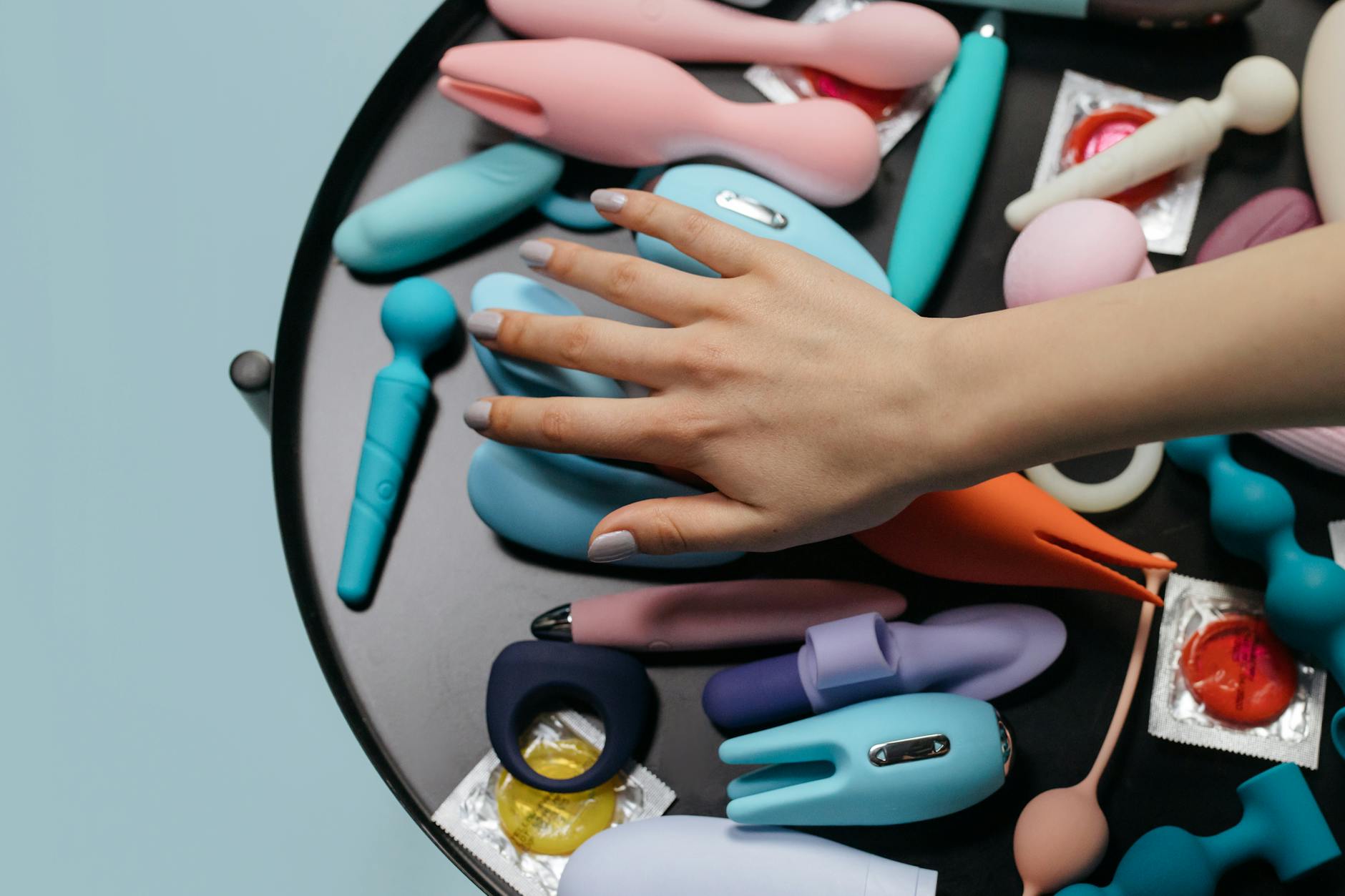
This is where clitoral vibrators become genuinely useful. Not because vibration is magic, but because air-suction clitoral vibrators like Lemon's offerings work with your nervous system instead of against it.
Here's why: traditional vibrators require your tissue to absorb consistent mechanical pressure. If you're already tense and protective, that pressure can feel triggering. Air-suction works by creating a gentle, rhythmic pressure differential. It's stimulating without being invasive, which means your nervous system has an easier time shifting from "threat response" to "pleasure response."
Start with the lowest setting. Set aside 15 minutes when you have no performance pressure and no one else is around. Use plenty of lubrication. The goal isn't orgasm. It's sensation without fear.
Building the evidence your body needs
Your nervous system learns through repetition. After painful sex, you need a string of good sensory experiences to counterweight the painful ones. This isn't about forcing pleasure. It's about creating safety.
Start solo. This matters because partnered touch carries baggage right now. Your body might tense up out of habit, and then you're not actually gathering the evidence you need. Solo exploration lets you stay in control, pace yourself, and reinforce the message: this touch is safe.
Then: consistency beats intensity. Ten minutes twice a week of calm, self-directed clitoral touch does more to retrain your nervous system than one intense session. The repetition is what rewires the reflex. You're building a new neural pathway that says "this sensation equals safety."
After two to three weeks of gentle solo exploration, you might notice arousal building faster, sensation feeling sharper, or even stronger orgasms. This isn't coincidence. You're literally training your nervous system to downregulate the protective response.
When to bring a partner back in
Sex doesn't happen in isolation. Eventually, you'll want to reconnect with a partner (if that's what you want). But the timeline matters.
Wait until you're getting solo pleasure back. Not all the way back. Just enough that you feel something again without fear. Then, introduce partner touch slowly.
Start with non-genital touch. Hands, massage, kissing. Let your body remember that partner contact doesn't equal pain. Then introduce genital touch, but with these ground rules: go slow, communicate about pressure, use plenty of lubrication, and stop before you hit the edge of discomfort. You're gathering more evidence, not pushing limits.
If pain comes back during partnered sex, pause. Don't push through. This is critical. Each time you push through, you're laying down another pain memory. Each time you stop before pain, you're teaching your nervous system that your boundaries matter and will be respected.
The physical adjustments that matter
While you're retraining sensation, a few changes help:
Lubrication shouldn't be optional. Use it every time, even during solo exploration. Friction is a sensory load your nervous system doesn't need right now. Water-based lube is fine for most situations.
Pelvic floor tension is usually part of the picture. You might hold tension without realizing it. Kegels help, but so does learning to relax the pelvic floor consciously. There are apps and physical therapists who specialize in this. It's worth exploring because tension amplifies pain perception.
If penetrative sex was the source of pain, avoid it for now. That doesn't mean you can't have pleasure. Clitoral vibrators, hand stimulation, and external pleasure have a whole universe of possibility without penetration in the picture.
If pain was specifically during penetration, ask yourself: was it at entry, deep inside, or throughout? Different answers point to different issues. Vaginismus (involuntary tightening) feels different from deep pain or entry pain. Knowing which you experienced helps you know what to avoid retraumatizing.
The mental piece you can't skip
Rebuild means rebuilding trust in your body. That's harder than it sounds because pain broke that trust. You might feel angry at your body, or afraid of it, or disconnected from it.
This is where talking helps. With a partner, with a therapist, with someone. Not to process feelings endlessly, but to separate the story you're telling yourself ("my body is broken," "I'm not sexual anymore," "my partner will hurt me") from what's actually true. Your body was protecting you. That's not broken. That's working.
Many people find it easier to rebuild if they can reframe: this isn't recovery from damage. It's reclaiming something that was always yours.
When to see a specialist
If pain was severe, came on suddenly, or involved bleeding, see a gynecologist. Some causes of painful sex are medical and need medical care. Endometriosis, pelvic floor dysfunction, infections, anatomical issues. If you've had pelvic pain, a pelvic floor physical therapist is worth the investment. They can assess whether tension, weakness, or coordination issues are part of your picture.
If the pain was from a specific incident or trauma, talk to a therapist who specializes in sexual trauma or somatic therapy. Your nervous system might need help resetting, and that's okay.
But for most cases of lingering pain-related loss of sensation, the rebuild works: slow, solo, consistent, pressure-free touch that gradually rewires the protective response.
The part nobody tells you
Clitoral sensation might come back different than it was before. Not worse, just different. Some people report stronger orgasms. Some notice they're more aware of subtle sensations. Some find they have better control over arousal. Pain sometimes teaches your body to be more attentive, and that attention can become a kind of intimacy with yourself.
Rebuild isn't about returning to before. It's about moving forward into something that works now. You're not the same person you were before pain, and your pleasure doesn't have to be either.
FAQs on rebuilding clitoral confidence
How long does it take to feel sensation again after painful sex?
Typically, people report noticeable changes in two to four weeks with consistent, gentle solo exploration. But full confidence rebuilding can take two to three months. The timeline depends on how long pain lasted, how recent it was, and what caused it. Be patient. Nervous systems retrain slowly, and that slowness is actually the point. Quick fixes are how you got into protective mode in the first place.
Can a clitoral vibrator help if I'm afraid of sensation?
Yes, actually. Air-suction vibrators like Lemon's clitoral vibrators work better than traditional vibrators for nervous system retraining because they're less invasive. Start on the lowest setting, use plenty of lube, and keep sessions short. The predictable, gentle stimulation helps your nervous system learn that sensation is safe.
Should I avoid all genital touch until pain is completely gone?
No, but avoid penetration and anything that triggers discomfort. Gentle clitoral touch, solo or with a partner, actually helps rebuild confidence faster than complete avoidance. The key is keeping touch below the threshold of pain or fear. You're gathering evidence of safety, not testing limits.
What if my partner thinks I'm avoiding them?
Tell them directly. Not "I'm not ready," but "I'm rebuilding confidence in my body, and that means slower, gentler touch right now. That's good for both of us." Most partners actually relax when they understand it's a process with a direction, not a rejection. If they push, that's information too.
Can numbness after painful sex go away without a vibrator?
Maybe, but it's slower. Clitoral vibrators accelerate the process because they provide consistent, stimulating input that helps retrain sensory pathways. If you want to rebuild without tools, focus on very slow partner touch, extended foreplay, and patience. The timeline just gets longer.
Is it normal to feel nothing for weeks after painful sex?
Completely normal. Pain-related numbness is a protective response. Your nervous system is dampening sensation to prevent further injury. This is temporary, but it can feel permanent. Consistency with gentle stimulation usually shifts it within two to four weeks. If numbness lasts longer than three months, see a pelvic floor specialist to rule out nerve involvement.
What comes next
Rebuild takes time, patience, and permission to do it slowly. But it works. Your clitoris still works. Your nervous system still learns. Your pleasure is still there. It's just waiting for you to make the space safe enough to come back.
If you're struggling with this, talking to someone helps. A therapist, a pelvic floor specialist, or even your partner. Rebuilding doesn't happen in isolation. And it doesn't have to be something you figure out alone.
For more on nervous system recovery and pleasure reclamation, see our guide on how to use Lemon vibrators when clitoral sensation feels numb after surgery and our resource on arousal feeling disconnected from your body. Both cover similar nervous system retraining approaches for different root causes.