How estrogen loss changes clitoral tissue
Let's be real: your clitoris is partially made of erectile tissue. When estrogen drops, that tissue thins. The blood vessels that feed it become less robust. The nerves stay exactly as dense and sensitive as they've always been, but the tissue protecting them gets less cushioning. This is neither permanent nor a death sentence for pleasure. It's a material change you can work with.
This happens during perimenopause, after certain medications, following hormonal shifts from birth control changes, or sometimes after extended breastfeeding. The timeline varies. For some people it's subtle. For others it's jarring. Both are normal.
The key thing: thinner tissue doesn't mean weaker sensation. It means different sensation. And different usually means you need different tools.
Why traditional vibrators feel wrong on fragile tissue
Most vibrators work through direct friction. A standard bullet vibrator presses against your clitoris and moves side to side, up and down, or both. When tissue is thick and well-hydrated, this feels great. When tissue is thin, that same motion can feel raw, overstimulating, or even painful. The vibration has nowhere to diffuse. It's like the difference between a massage on padded muscle versus a massage directly on bone.
This is where lemon clitoral vibrators change the game. Lemon's signature technology uses suction rather than friction. Instead of pressing and moving, it gently draws tissue upward into a soft chamber where pulsing waves do the work. Your clitoris stays protected inside that chamber. The stimulation is indirect, diffused, and dramatically gentler on fragile tissue.
For people whose clitoral tissue feels thinner or more delicate, this design shift is often life-changing. You get strong sensation without the rawness.
What actually changes when you switch to suction
First: intensity feels different in a really good way. When friction-based vibrators overwhelm thin tissue, you end up turning stimulation down to a level that doesn't feel like much. Suction lets you experience full power without discomfort. Most people report that their first experience with a lemon clitoral vibrator like the Lem feels like discovering a pleasure setting they didn't know existed.
Second: warm-up time shifts. Thin tissue needs a few extra minutes of circulation to feel fully responsive. With suction-based stimulation, that warm-up feels good rather than frustrating. You're already receiving sensation while your arousal builds. By the time you hit a higher intensity, you're genuinely ready for it.
Third: you might notice that sensation concentrates differently. Because the Lem draws tissue into the chamber, you feel stimulation around and within your clitoris rather than strictly on the surface. Some people describe it as deeper or more internal. This can mean orgasms feel different. Sometimes fuller. Sometimes more intense. Always worth exploring.
The physical adjustments that matter
Three things to dial in first:
Start at intensity level 1 or 2. This sounds obvious, but I see people skip this step because they're used to a particular power level on their old vibrator. The Lem's intensity system is different. Level 1 is genuinely satisfying for most people with thin tissue. You're not missing anything by starting low. You're protecting tissue and building sensation properly.
Use water-based lubricant every single time. Even if your body creates natural lubrication, add a water-based lube to the rim of the Lem's chamber. This does two things: it creates a better seal (which makes suction more effective), and it protects delicate tissue from any friction during insertion. Your clitoris deserves this protection. Lube is not a sign something's wrong. It's smart maintenance.
Spend 10-15 minutes on foreplay before using the Lem. This isn't a rule for everyone, but thin tissue responds better when your whole body is genuinely aroused. Your clitoris plumps with blood flow. Lubrication increases. The tissue becomes more resilient. You're not being slow or inefficient. You're preparing your body to feel more and experience more.
How to tell if you're using it right
You should feel suction. Not uncomfortably tight, but a clear gentle pulling sensation. If you feel only vibration and no suction, the seal might be broken (check the rim, add a bit more lube) or you might be using too much pressure. The Lem works best when you let it do the work rather than pressing into your body.
Sensation should build gradually. If you jump to level 4 and feel overwhelmed, dial back and rebuild. Fragile tissue responds better to a slow climb. By the time you reach a higher level, your nervous system is primed and the tissue is more resilient.
Orgasm might feel different than you remember. Sometimes this means intensity. Sometimes it means a different shape entirely. Neither is wrong. Spend a few sessions just experiencing what your body is doing before deciding whether it's what you want. Thin tissue actually has some advantages. The nerve density is still there. You're just accessing sensation differently.
When to use the Lem versus other options
Honestly, the Lem is the gold standard for thin or fragile clitoral tissue, but context matters. If you're recovering from pelvic floor dysfunction or trauma, start with the Lem's lower intensity levels and give yourself permission to stop whenever you want. If you're navigating medication changes that have altered your sensation, the Lem's indirect stimulation often helps you reconnect faster than friction-based toys.
If you have a partner, the Lem works beautifully during partnered sex. Many people find that using the Lem while your partner is inside you creates intensity without pressure on already-delicate tissue. The suction technology means the sensation is contained in one area, so you can experience both penetration and external stimulation without competition.
For solo exploration, many people with thin tissue report their most satisfying sessions are 20-30 minutes rather than 5-10. You're not being inefficient. You're giving yourself time to experience pleasure fully without pushing delicate tissue.
The emotional piece nobody talks about
When your body changes, it's easy to assume the change is a loss. Thin tissue feels like your clitoris is broken rather than just different. Here's the truth from years of working with couples through this: tissue change is usually the beginning of discovering pleasure you didn't have before. Not because your body got better. Because you finally had a reason to slow down and pay attention.
Many people report that using a lemon clitoral vibrator when tissue has thinned is when they first experience orgasms that surprise them. Not bigger or more frequent. Just different enough to feel new. That novelty can rebuild excitement in your own pleasure, which is worth more than intensity alone.
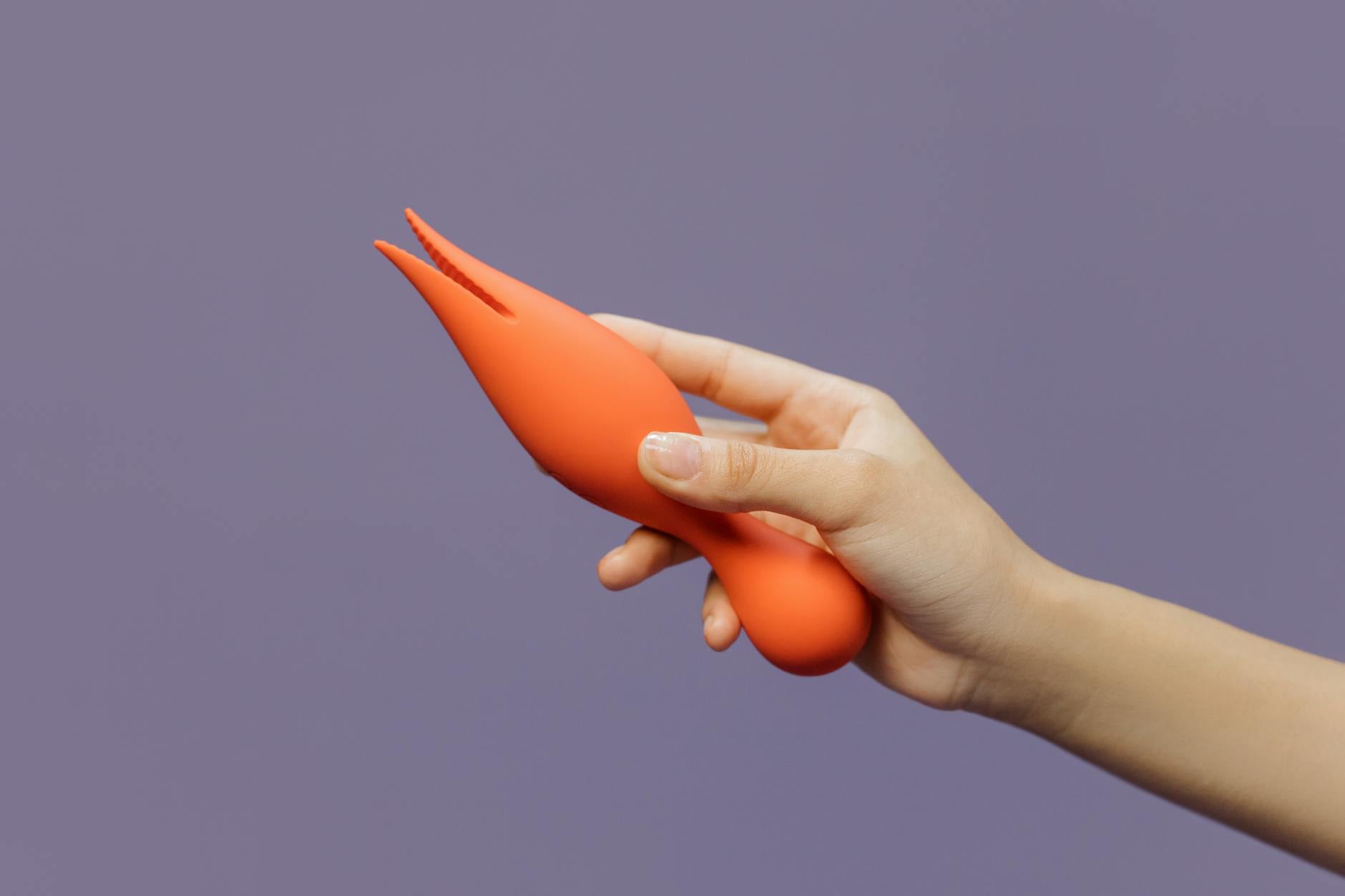
Photo by cottonbro studio on Pexels
How thin tissue affects orgasm timing
You might notice that orgasms take slightly longer to reach when you're using the Lem on thinner tissue. This isn't a step backward. This is your nervous system adjusting to a new kind of stimulus. The suction-based approach builds pleasure differently than friction. It often feels slower initially because the sensation is spreading through your clitoris rather than focusing just on the surface.
By week two or three of regular use, most people report that the timing evens out and they actually experience stronger orgasms faster. Your body learns the new pattern. Your nervous system stops overanalyzing the difference and just receives the sensation.
If you're experiencing pain rather than just slowness, that's different. Pain means something needs adjusting. Could be that you need more lubrication. Could be that intensity level 1 is still too much for right now. Could be that you need longer warm-up. Pay attention to what your body is telling you.
Partners and thin tissue
If you're with someone, explaining this shift helps a lot. "My tissue has thinned, so I need different stimulation" is a completely reasonable sentence. It's not about them. It's about biology and pleasure. Many partners are relieved to learn that you've found something that works better. It takes pressure off them to somehow create sensation their hands or body shape might not be able to provide.
Using the Lem together can actually deepen connection because you're both learning something new about your body at the same time. There's less performance pressure and more genuine curiosity. That shift in energy often translates to better sex overall.
FAQ: Clitoral Vibrators and Fragile Tissue
Is thin clitoral tissue permanent?
It depends on the cause. If it's from hormonal shifts, thin tissue often stays thin, but you adapt and pleasure usually returns fully. If it's from medication changes or birth control adjustments, some people see gradual improvement as their hormones rebalance. The important thing: your tissue is not broken. It's just working with different resources. Lemon vibrators and other suction-based clitoral vibrators are specifically designed to work beautifully with thin tissue.
Can I damage thin tissue by using the Lem?
No. Suction-based lemon clitoral vibrators are actually gentler on delicate tissue than friction vibrators. The Lem's design means you're never grinding or pressing directly on sensitive area. Just follow the basics: use lubrication, start at lower intensity levels, and listen to your body. If something hurts, stop. Pleasure should never feel sharp or raw.
Will thin tissue make orgasms less intense?
Not necessarily. Different sensation, maybe. Less intense? Usually no. Many people with thin tissue report that orgasms feel fuller or more resonant once they adjust to new stimulation patterns. The nerve density doesn't change. Just the tissue around it. Your capacity for pleasure is still completely there.
How long does it take to feel comfortable with the Lem on thin tissue?
Most people feel comfortable within 3-5 sessions. Your body learns the suction pattern. You figure out your preferred intensity levels. And honestly, many people feel comfortable immediately because the design is so much gentler than what they were using before. Give yourself at least a few tries before deciding if it's right for you.
Should I use numbing cream before using the Lem if my tissue is really sensitive?
No. Numbing cream prevents you from feeling pain, but it also prevents you from feeling pleasure. You want sensation. You just want it to be pleasant rather than overwhelming. Using the Lem at lower intensity levels while your body is genuinely aroused accomplishes that without removing feeling entirely.
Is thin clitoral tissue related to vulvodynia or other pain conditions?
Thin tissue and vulvodynia are different, though they can coexist. If you're experiencing ongoing pain in your vulva or clitoris that doesn't improve with lubrication, lower intensity, and gradual warm-up, talk to a doctor who specializes in vulvodynia or sexual pain. Lemon vibrators work beautifully for thin tissue that causes no pain, but pain conditions need professional evaluation.
The bottom line
Thin clitoral tissue is not a sexual ending. It's a plot twist that usually leads somewhere better once you have the right tools. The Lem and other lemon clitoral vibrators exist specifically because this change is so common and because suction technology works so well with delicate tissue. Start slow. Use lubrication. Give yourself permission to explore what pleasure feels like now. Most people find it's worth the adjustment.
Your clitoris still wants to feel good. Your body still wants to experience pleasure. Thin tissue just means you get to discover how that happens when you slow down and pay attention. That's not a loss. That's an invitation.
If you're navigating other sensation changes alongside thin tissue, like delayed arousal with age or numbness from medication changes, the Lem's approach still applies. Suction-based stimulation is gentler across the board and often helps sensation reconnect faster. Want personalized guidance on what might work best for your body? Get in touch.