Let's name what's actually happening
Disconnection from pleasure is not about your body breaking. It's about your mind deciding it's unsafe to feel. That sounds clinical, but here's the truth: you can have a perfectly functional vulva and still experience arousal as something happening to a stranger.
This happens after relationship shifts, burnout, betrayal, or just living too long on someone else's timeline. Your nervous system gets tired of performing. Your body goes quiet as a protection mechanism. And then when you try to access pleasure, it feels foreign, like visiting a country you used to know.
Most people blame themselves. Wrong angle entirely.
Why disconnection kills arousal differently than hormones do
Hormonal changes (like those during menopause or perimenopause) are about tissue response. Disconnection is about permission. Your brain is literally blocking the neural pathways that lead to arousal as a way of saying: I don't feel safe here.
That's different from low desire caused by depression or medication. Those flatten everything. Disconnection is selective. You can feel it: touch reaches your skin but doesn't travel inward. Pleasure gets close but never lands.
The frustration is real because your body physically can still orgasm. You know this intellectually. But emotionally, there's a wall between you and the sensation. Using a traditional vibrator in this state often makes it worse because the intensity feels invasive rather than inviting.
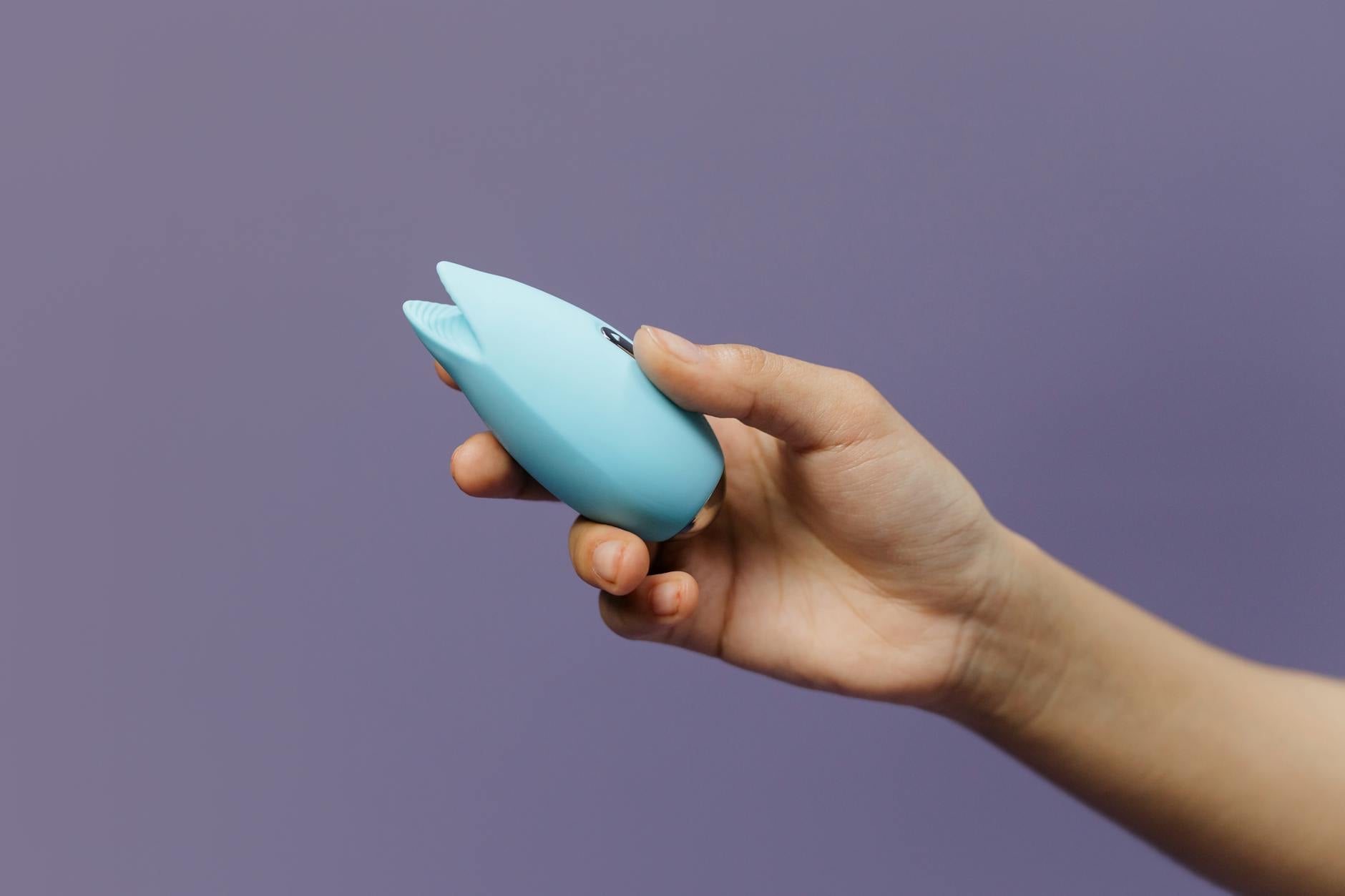
Lemon clitoral vibrators work differently here because of how suction functions. It's gentler than direct vibration, which means it doesn't force arousal. It creates a container where arousal can happen at its own pace.
The nervous system piece (why this matters)
Arousability is a nervous system state. When you're chronically unsafe, your nervous system sits in fight, flight, or freeze. Arousal requires the parasympathetic system to activate. That's the "rest and digest" branch. It can't switch on while you're in threat mode.
Lemon vibrators, specifically air-suction models, actually help your nervous system downshift. The rhythmic stimulation is soothing rather than jarring. You're not trying to force arousal. You're creating conditions where your body might decide it's okay to feel something.
This is why starting at the lowest pattern matters so much. You're not chasing intensity. You're sending your nervous system a message: this is safe, this is slow, this is for you.
How to actually use a Lemon vibrator when you're disconnected
Do this in a space where you're genuinely alone and no one can interrupt. Not a shower where you're listening for the door. Not a bedroom where you're half-waiting for a partner. True solitude.
Start fully clothed. I'm not joking. Use the vibrator over your underwear or pants for the first few sessions. Your body has learned that direct touch means performance. Going through fabric is a way of saying to yourself: this is experimental, this doesn't have to go anywhere.
Begin on pattern 1. Don't think about what you're supposed to feel. The disconnect happens partly because you're watching yourself from outside your body, judging whether you're responding correctly. Instead, notice very small things: the sound of the vibrator, the way your breath shifts, whether your toes relax even slightly.
Set a timer for 10 minutes and stop exactly then, whether you feel anything or not. This is radical. You're teaching your nervous system that this is about exploration, not achievement. No orgasm required. In fact, take pressure off orgasm entirely for the first month.
Do this daily if possible. Small, short, clothed sessions build safety faster than long sessions hunting for sensation.
The timeline (what to actually expect)
Week one: probably nothing. Maybe slight awareness. This is normal.
Week two: you might notice tingling or warmth. Or still nothing. Both are fine. Your nervous system is just starting to trust that this situation won't demand anything of you.
Week three to four: small sensations often appear. Not fireworks. Maybe a gentle pulse or a slight pleasant feeling. This is your body saying hello again.
Week five to eight: pleasure starts becoming accessible when you're not reaching for it. You might find yourself thinking about sensation outside of these sessions. That's the real marker that reconnection is happening.
Don't rush this. Pressure to feel something is exactly what created the disconnection in the first place.
When to add a partner (or whether to)
Here's the hard part: if the disconnection is about your relationship, using a Lemon vibrator alone won't fix the relationship. It can help you reconnect with yourself while you figure out what comes next.
If you want to share this with a partner, the most important thing is removing the performance frame. Don't use the vibrator to "prove" you can still feel. Use it together as an exploration where neither of you is trying to create a specific outcome.
Some couples find that using a Lemon clitoral vibrator together actually rebuilds intimacy because it removes the pressure that was killing connection in the first place. You're both just watching, curious, not demanding.
What disconnection often means (the bigger picture)
This is the part nobody says out loud: disconnection from pleasure is often your body telling you something needs to change in your life or your relationship. A vibrator, even a really good one, won't fix that underlying issue. What it does is buy you time and space to figure out what you actually need.
If you're disconnected because you're exhausted and touched out, pleasure might return when you get rest and space. If you're disconnected because your relationship doesn't feel safe, that's a bigger conversation. A Lemon vibrator can help you feel something while you're having that conversation with yourself or your partner, but it's not a replacement for actually addressing what created the distance.
Treat it as a bridge, not a destination. Your pleasure matters enough to reconnect with it fully, which might mean making bigger changes than just adding a toy to your routine.
People also ask
How long does it usually take to feel pleasure again after emotional disconnection?
This varies hugely based on what caused the disconnection and whether that thing is still happening. If you're still in the situation that created the numbness (stressed job, neglectful relationship, caregiver burnout), reconnection is slower because your nervous system is still getting the message that safety isn't available. If you've changed the situation or gotten distance from it, many people report noticing shift within 4-8 weeks of consistent, low-pressure exploration with a tool like a Lemon vibrator.
Can a Lemon clitoral vibrator help if I'm also on antidepressants that reduce sensation?
Partially. Antidepressants and disconnection are different problems with overlapping symptoms. If your numbness is purely medication-related, a Lemon vibrator can still help by providing stronger stimulation, but you might also want to talk to your doctor about dosage or timing. If it's a mix of medication side effect plus emotional disconnection, the approach is the same: start slow, build safety, no pressure for specific outcomes.
Is it normal to feel worse when I start using a vibrator during disconnection?
Yes, sometimes. If using the vibrator brings up sadness, grief, or anger, that's actually your nervous system beginning to feel again, not breaking. Those emotions often come before pleasure returns. If it feels retraumatizing or painful rather than just sad, stop and consider talking to a therapist before continuing.
Will using a Lemon vibrator alone fix a disconnected relationship?
No. What it can do is help you reconnect with yourself so you have clearer information about what you actually need and want from your relationship. That clarity often leads to better conversations or better decisions. The vibrator is for you, not for the relationship.
Should I tell my partner I'm using a Lemon vibrator if we're disconnected?
It depends on the cause of the disconnection. If you're using it as a way to reconnect with your own pleasure independently, you don't owe him a blow-by-blow. If the disconnection is in the relationship itself and he's wondering why you're distant, honesty helps, but frame it as self-care, not as rejection of him or his touch.
Can disconnection from pleasure be permanent?
No. Your capacity for pleasure doesn't disappear. It gets blocked by your nervous system as a protection. When safety returns, pleasure usually follows. This can take months if the trauma or stress was serious, but reconnection is possible.
You deserve to feel something again
Disconnection is your body's way of protecting itself. That's not weakness. That's your nervous system doing exactly what it's supposed to do. Reconnection happens when you stop trying to force pleasure and start building safety instead. A Lemon vibrator can be part of that, but the real work is in treating yourself with the gentleness you'd offer a friend going through the same thing. Start small. Be patient. Your pleasure is still in there. It's just waiting to trust again.